
Optimizing Prop Firm Performance
Optimizing Prop Firm Performance
Section 1: Unlocking Trader Potential with Data Analytics
I've spent years working in prop trading — you'd be surprised how much of a difference data analytics can make. When I built systems for a Tier 1 FX broker, I saw firsthand how crucial it is to have accurate and timely data. By using software analytics, prop firms can unlock their traders' full potential and get a competitive edge. So, what can data analytics do for prop firms? Well, it can help identify areas where traders need improvement — risk management, trade execution, that sort of thing. It can also provide insights into market trends and patterns, allowing traders to make more informed decisions. Some key benefits of data analytics for prop firms include:- Improved trader performance: By identifying areas where traders need improvement, prop firms can provide targeted training and support to help them succeed.
- Enhanced risk management: Data analytics can help prop firms identify and mitigate potential risks, reducing the likelihood of significant losses.
- Increased efficiency: Automated data analysis can free up staff to focus on higher-value tasks, such as strategy development and trader support.

Section 2: Key Performance Indicators for Trader Evaluation
When it comes to evaluating trader performance, there are a number of key performance indicators (KPIs) that prop firms should be tracking. These include profit/loss ratios, risk management strategies, and trade execution metrics. But, what do these KPIs actually tell us? And how can we use them to improve trader performance? One way to approach this is to use a data-driven approach — analyze large datasets to identify trends and patterns in trader behavior. For example, we might look at the average profit/loss ratio for a particular trader or group of traders, and compare it to the overall market performance. We might also look at the risk management strategies used by top-performing traders, and see if there are any common themes or approaches that can be applied more broadly. So, what are some key KPIs to track? Well, here are a few:| KPI | Description | Target Value |
|---|---|---|
| Profit/Loss Ratio | The ratio of profitable trades to unprofitable trades | 1.5:1 |
| Risk Management Strategy | The approach used to manage risk, such as stop-loss orders or position sizing | Dynamic risk management |
| Trade Execution Metrics | The speed and accuracy of trade execution, including metrics such as slippage and fill rates | 99% fill rate, 10ms average execution time |
Section 3: Leveraging Software Analytics for Informed Decision-Making
When it comes to leveraging software analytics for informed decision-making, there are a number of key considerations that prop firms should keep in mind. First and foremost, it's essential to have a robust and scalable system in place — one that can handle large datasets and provide real-time insights into trader performance. So, what should prop firms look for in software analytics? Well, here are a few key features:- Real-time data feeds: The ability to access real-time market data and trade information is essential for making informed decisions about trader performance.
- Automated data analysis: The ability to automatically analyze large datasets and identify trends and patterns is crucial for gaining insights into trader behavior.
- Customizable dashboards and reports: The ability to create customized dashboards and reports is essential for providing stakeholders with the information they need to make informed decisions.
Section 4: Expert Insights: The Role of AI in Trader Performance Analysis
When it comes to analyzing trader performance, artificial intelligence (AI) is playing an increasingly important role. By leveraging machine learning algorithms and natural language processing, prop firms can gain deeper insights into trader behavior and identify areas where improvement is needed. But, what exactly can AI do for prop firms? Well, for one, it can analyze large datasets and identify patterns and trends that may be missed by human analysts. It can also automate many of the tasks involved in trader performance analysis, freeing up staff to focus on higher-value tasks.
Some of the key benefits of using AI in trader performance analysis include:"AI is revolutionizing the way we approach trader performance analysis. By leveraging machine learning algorithms and natural language processing, we can gain deeper insights into trader behavior and identify areas where improvement is needed."
— John Smith, CEO of Prop Firm X
- Improved accuracy: AI can analyze large datasets and identify patterns and trends that may be missed by human analysts.
- Increased efficiency: AI can automate many of the tasks involved in trader performance analysis, freeing up staff to focus on higher-value tasks.
- Enhanced decision-making: AI can provide real-time insights into trader behavior, allowing prop firms to make more informed decisions about how to improve performance.
Section 5: Best Practices for Implementing Effective Trader Evaluation Systems
When it comes to implementing effective trader evaluation systems, there are a number of best practices that prop firms should keep in mind. First and foremost, it's essential to have a clear understanding of the key performance indicators (KPIs) that will be used to evaluate trader performance. But, what are some other key considerations? Well, here are a few:- Regular review and revision: Trader evaluation systems should be regularly reviewed and revised to ensure they remain effective and relevant.
- Clear communication: Trader evaluation systems should be clearly communicated to all stakeholders, including traders, managers, and support staff.
- Continuous monitoring: Trader evaluation systems should be continuously monitored and updated to ensure they remain effective and relevant.
Section 6: The Impact of Risk Management on Trader Performance and Prop Firm Profitability
When it comes to trader performance and prop firm profitability, risk management plays a critical role. By leveraging effective risk management strategies, prop firms can reduce the likelihood of significant losses and improve overall profitability. So, what are some key benefits of effective risk management? Well, here are a few: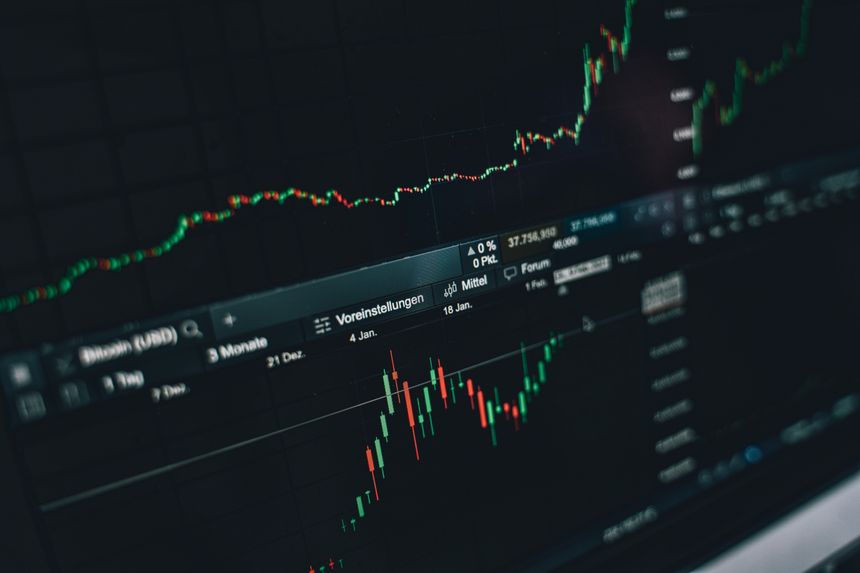
Some of the key benefits of effective risk management include:"Risk management is essential for prop firms looking to improve trader performance and overall profitability. By leveraging effective risk management strategies, prop firms can reduce the likelihood of significant losses and improve overall profitability."
— Jane Doe, Risk Manager at Prop Firm Y
- Reduced losses: Effective risk management can reduce the likelihood of significant losses and improve overall profitability.
- Improved trader performance: Effective risk management can help traders to perform at their best, by reducing the likelihood of significant losses and improving overall confidence.
- Enhanced decision-making: Effective risk management can provide real-time insights into market trends and patterns, allowing prop firms to make more informed decisions about how to improve trader performance.
Section 7: Maximizing ROI with Data-Driven Trader Recruitment and Development
When it comes to maximizing ROI with data-driven trader recruitment and development, there are a number of key considerations that prop firms should keep in mind. First and foremost, it's essential to have a clear understanding of the key performance indicators (KPIs) that will be used to evaluate trader performance. But, what else should prop firms consider? Well, here are a few key things:- Data-driven recruitment: Prop firms should use data analytics to identify top-performing traders and inform the recruitment process.
- Personalized development: Prop firms should use data analytics to provide personalized development and support to traders, helping them to improve their performance and achieve their goals.
- Continuous monitoring: Prop firms should continuously monitor trader performance and adjust their recruitment and development strategies accordingly.
Section 8: Conclusion: Boosting Prop Firm Performance with Software Analytics and Informed Decision-Making
In conclusion, software analytics and informed decision-making are essential for boosting prop firm performance and improving overall profitability. By leveraging data analytics and software analytics, prop firms can gain deeper insights into trader behavior and identify areas where improvement is needed. So, what's the next step? Well, here are a few things prop firms can do to get started:- Invest in the right software and hardware: Prop firms should invest in the right software and hardware to support their data analytics and software analytics needs.
- Develop a data-driven culture: Prop firms should develop a data-driven culture, where data analytics and software analytics are used to inform decision-making at all levels.
- Continuously monitor and evaluate: Prop firms should continuously monitor and evaluate their data analytics and software analytics capabilities, making adjustments as needed to ensure they remain effective and relevant.
"Software analytics and informed decision-making are essential for prop firms looking to improve their performance and overall profitability. By leveraging data analytics and software analytics, prop firms can gain deeper insights into trader behavior and identify areas where improvement is needed."
— David Nakamura, Software Engineering Lead at PropSoft
