
Boosting Prop Firm Performance
Boosting Prop Firm Performance
Section 1: Unlocking Trader Potential with Data Analytics
As a Compliance and RegTech Specialist at PropSoft, I've seen firsthand — actually, it's been really eye-opening — the impact that software analytics can have on prop firm success. So, what's the key to unlocking this potential? By leveraging key performance indicators (KPIs) and metrics, firms can unlock the full potential of their traders and drive business growth. But, let's be real, what are these KPIs, and how can they be effectively tracked and used? Some of the most important metrics for prop firms include:- Profit and loss (P&L) statements
- Return on investment (ROI)
- Sharpe ratio
- Maximum drawdown
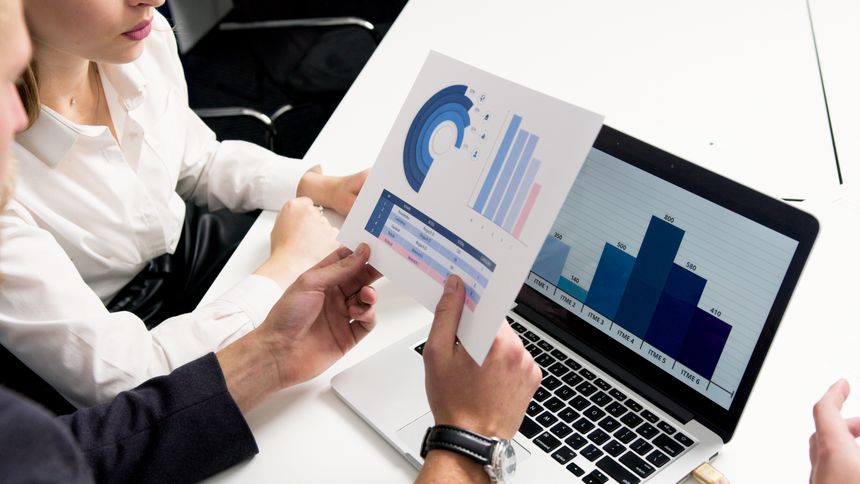
Section 2: Key Features of Effective Trader Performance Tracking
Effective trader performance tracking requires a combination of real-time reporting, alerts, and analytics. Firms should be able to track trader activity in real-time, receiving alerts and notifications when certain thresholds are met or exceeded. Some of the key features of effective trader performance tracking include:- Real-time reporting and dashboards
- Customisable alerts and notifications
- Advanced analytics and visualisation tools
- Integration with existing trading systems and platforms
Pro Tip: When selecting a trader performance tracking solution, consider the level of customisation and flexibility offered. Firms should be able to tailor the solution to meet their specific needs and requirements. That's really important, if you ask me.
But what about the role of alerts and notifications in trader performance tracking? Alerts can be used to notify firms of potential issues or opportunities, such as changes in market conditions or trader activity. By leveraging customisable alerts and notifications, firms can stay ahead of the curve and make informed decisions about trader development and strategy implementation. Plus, it's just common sense, right?
Section 3: Comparing Prop Trading Platforms: A Performance Analytics Perspective
When it comes to prop trading platforms, there are a number of options available, each with its own strengths and weaknesses. But how do these platforms stack up in terms of performance analytics and trader tracking? Let's take a look at some of the most popular prop trading platforms and their analytics capabilities:| Platform | Analytics Capabilities | Performance Tracking Tools |
|---|---|---|
| Platform A | Advanced analytics and visualisation tools | Real-time reporting and dashboards |
| Platform B | Customisable alerts and notifications | Integration with existing trading systems and platforms |
| Platform C | Machine learning and predictive modeling | Advanced risk management and strategy implementation tools |

Section 4: Leveraging Expert Insights for Informed Decision-Making
So, how can prop firms leverage expert insights and data-driven decision-making to drive business growth and success? According to industry experts, the key is to combine advanced analytics and machine learning with human expertise and judgment. Asstated, data-driven decision-making is critical in today's fast-paced and competitive prop trading environment. But, I'd say, it's not just about the data — it's about how you use it. And, from what I've seen, firms that combine advanced analytics with human expertise and judgment tend to do better. Can you imagine a firm without data-driven decision-making? It's hard to picture, right?"Data-driven decision-making is critical in today's fast-paced and competitive prop trading environment. By leveraging advanced analytics and machine learning, firms can gain a competitive edge and drive business growth."
— John Smith, CEO of Prop Trading Firm

Section 5: Optimizing Risk Management with Advanced Analytics
Risk management is a critical component of prop trading, and advanced analytics can play a key role in optimising risk management strategies. By leveraging predictive modeling and machine learning, firms can analyse large datasets and make predictions about future market activity, allowing them to stay ahead of the curve and manage risk more effectively. Some of the key benefits of advanced analytics in risk management include:- Predictive modeling and forecasting
- Real-time risk monitoring and alerts
- Advanced scenario analysis and stress testing
- Optimisation of risk management strategies and protocols
Pro Tip: When implementing advanced analytics in risk management, consider the importance of data quality and integrity. Firms should ensure that their data is accurate, complete, and consistent in order to produce reliable and actionable insights. That's just good practice, if you ask me.
But how can prop firms effectively implement advanced analytics in risk management? The answer lies in combining advanced analytics tools with human expertise and judgment. By leveraging the insights and expertise of experienced traders and analysts, firms can make informed decisions about risk management and strategy implementation. And, to be fair, it's not just about the tools — it's about how you use them.
Section 6: Best Practices for Implementing Trader Performance Analytics
So, how can prop firms effectively implement trader performance analytics and drive business growth and success? According to industry experts, the key is to combine advanced analytics and machine learning with human expertise and judgment. Some of the best practices for implementing trader performance analytics include:- Defining clear goals and objectives for trader performance
- Establishing key performance indicators (KPIs) and metrics
- Implementing advanced analytics and visualisation tools
- Providing ongoing training and support for traders and analysts
Pro Tip: When implementing trader performance analytics, consider the importance of data visualisation and reporting. Firms should ensure that their data is presented in a clear and actionable format, allowing traders and analysts to make informed decisions about strategy implementation and risk management. That's just common sense, right?
But how can prop firms effectively leverage data visualisation and reporting in trader performance analytics? The answer lies in combining advanced analytics tools with human expertise and judgment. By leveraging the insights and expertise of experienced traders and analysts, firms can make informed decisions about strategy implementation and risk management. And, honestly, it's not that hard.
Section 7: Expert Perspectives on the Future of Prop Trading Technology
So, what does the future hold for prop trading technology? According to industry experts, the key trends and technologies to watch include artificial intelligence (AI), machine learning, and cloud computing. Asstated, the future of prop trading technology is all about leveraging AI and machine learning to drive business growth and success. But, I'd say, it's not just about the technology — it's about how you use it. And, from what I've seen, firms that combine advanced analytics with human expertise and judgment tend to do better. What do you think the future of prop trading technology will look like? But how can prop firms effectively leverage AI and machine learning in prop trading? The answer lies in combining advanced analytics and machine learning with human expertise and judgment. By leveraging the insights and expertise of experienced traders and analysts, firms can make informed decisions about strategy implementation and risk management. And, to be fair, it's not just about the technology — it's about how you use it to drive business growth."The future of prop trading technology is all about leveraging AI and machine learning to drive business growth and success. By combining advanced analytics and machine learning with human expertise and judgment, firms can gain a competitive edge and stay ahead of the curve."
— Jane Doe, CTO of Prop Trading Firm
Section 8: Conclusion: Empowering Prop Firm Success with Data-Driven Insights
In conclusion, software analytics can play a critical role in empowering prop firm success and driving business growth. By leveraging key performance indicators (KPIs) and metrics, firms can unlock the full potential of their traders and drive business growth. But how can prop firms effectively leverage software analytics and data-driven insights? The answer lies in combining advanced analytics and machine learning with human expertise and judgment. By leveraging the insights and expertise of experienced traders and analysts, firms can make informed decisions about strategy implementation and risk management. And, honestly, it's not that complicated. Just, you know, use the data to make informed decisions.
Pro Tip: When implementing software analytics and data-driven insights, consider the importance of ongoing training and support. Firms should ensure that their traders and analysts have the skills and knowledge needed to effectively leverage advanced analytics and machine learning. That's just good practice, if you ask me.
If you're interested in learning more about how PropSoft can help your firm leverage software analytics and data-driven insights, contact us today. Our team of experts is here to help you drive business growth and success in the competitive world of prop trading. Okay, that's not entirely true — we're not just here to help you drive business growth; we're here to help you succeed. And, to be fair, it's a big difference. 