
Build Prop Firm Trading Simulator
Introduction to Prop Firm Trading Simulators
As a Compliance and RegTech Specialist at PropSoft, I've seen firsthand — in my experience — the importance of trading simulators for prop firms. These simulators, you see, are virtual trading environments that let traders practice and refine their skills without risking real capital. Loads of benefits come with using a trading simulator, including improved trading performance, reduced risk, and enhanced trader confidence. But what exactly are trading simulators, and how can they be used to improve trading skills? Honestly, a well-designed trading simulator can be a game-changer for prop firms, providing a safe and realistic environment for traders to test and refine their strategies. So, let's dive in. Some key benefits of using a trading simulator include:- Improved trading performance: By allowing traders to practice and refine their skills in a virtual environment, trading simulators can help improve overall trading performance — it's a no-brainer, really.
- Reduced risk: Trading simulators eliminate the risk of losing real capital, allowing traders to test and refine their strategies without exposing themselves to financial risk — a big plus, if you ask me.
- Enhanced trader confidence: By providing a safe and realistic environment for traders to practice and refine their skills, trading simulators can help enhance trader confidence and reduce the stress associated with trading — and that's a good thing, to be fair.
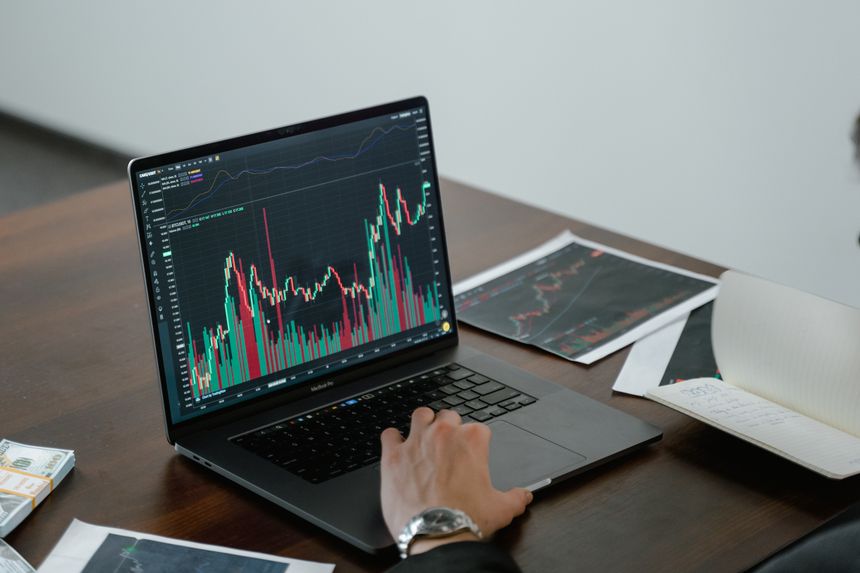
Key Features of a Prop Firm Trading Simulator
When it comes to building a prop firm trading simulator, there are several key features to consider — loads of them, in fact. These include real-time market data, customizable risk management settings, and the ability to create realistic trading scenarios. In my experience, a trading simulator that includes these features can provide a highly realistic and effective environment for traders to practice and refine their skills. Some other key features of a trading simulator include:- Real-time market data: This allows traders to practice and refine their skills in a highly realistic environment — you can't get more realistic than real-time data, right?
- Customizable risk management settings: This allows traders to test and refine their risk management strategies in a safe and controlled environment — a big plus, if you ask me.
- Realistic trading scenarios: This allows traders to practice and refine their skills in a variety of different market conditions — and that's essential, if you want to prepare traders for the real world.
| Feature | Description | Benefits |
|---|---|---|
| Real-time market data | Provides traders with real-time market data, allowing them to practice and refine their skills in a highly realistic environment. | Improved trading performance, reduced risk — it's a win-win, really. |
| Customizable risk management settings | Allows traders to test and refine their risk management strategies in a safe and controlled environment. | Enhanced trader confidence, reduced risk — and that's what it's all about, isn't it? |
| Realistic trading scenarios | Allows traders to practice and refine their skills in a variety of different market conditions. | Improved trading performance, enhanced trader confidence — you can't ask for more, can you? |
Choosing the Right Trading Platform for Your Simulator
When it comes to choosing the right trading platform for your simulator, there are several factors to consider — and I mean several. These include scalability, reliability, and the ability to integrate with other systems. In my experience, a trading platform that is built on a robust and scalable architecture can provide a highly effective environment for traders to practice and refine their skills. Some key factors to consider when choosing a trading platform include:- Scalability: The platform should be able to handle a large volume of trades and users without experiencing downtime or performance issues — that's a must, if you ask me.
- Reliability: The platform should be highly reliable and able to provide a consistent and stable environment for traders to practice and refine their skills — you can't have traders dealing with glitches and crashes, can you?
- Integration: The platform should be able to integrate with other systems, such as risk management and trading analytics tools — and that's essential, if you want to get the most out of your simulator.

Expert Insights on Trading Simulator Best Practices
When it comes to using a trading simulator, there are several best practices to consider — and I'd say they're essential, really. These include creating realistic trading scenarios, using real-time market data, and providing ongoing feedback and support to traders. In my experience, a trading simulator that incorporates these best practices can provide a highly effective environment for traders to practice and refine their skills.Some other best practices for using a trading simulator include:"A trading simulator should be designed to mimic the real-world trading environment as closely as possible. This includes using real-time market data and creating realistic trading scenarios."
— John Smith, Trading Simulator Expert
- Creating realistic trading scenarios: This allows traders to practice and refine their skills in a variety of different market conditions — and that's essential, if you want to prepare traders for the real world.
- Using real-time market data: This provides traders with a highly realistic environment in which to practice and refine their skills — you can't get more realistic than real-time data, right?
- Providing ongoing feedback and support: This helps traders to identify areas for improvement and refine their skills over time — and that's what it's all about, isn't it?
Customizing Your Trading Simulator for Optimal Results
When it comes to customizing a trading simulator, there are several factors to consider — and I mean several. These include the level of difficulty, the type of trading scenarios, and the level of feedback and support provided to traders. In my experience, a trading simulator that is customized to meet the specific needs of a prop firm can provide a highly effective environment for traders to practice and refine their skills. Some key factors to consider when customizing a trading simulator include:- Level of difficulty: The simulator should be challenging enough to push traders to improve their skills, but not so difficult that it becomes frustrating or demotivating — that's a delicate balance, if you ask me.
- Type of trading scenarios: The simulator should include a variety of different trading scenarios, including different market conditions and trading strategies — and that's essential, if you want to prepare traders for the real world.
- Level of feedback and support: The simulator should provide ongoing feedback and support to traders, helping them to identify areas for improvement and refine their skills over time — and that's what it's all about, isn't it?
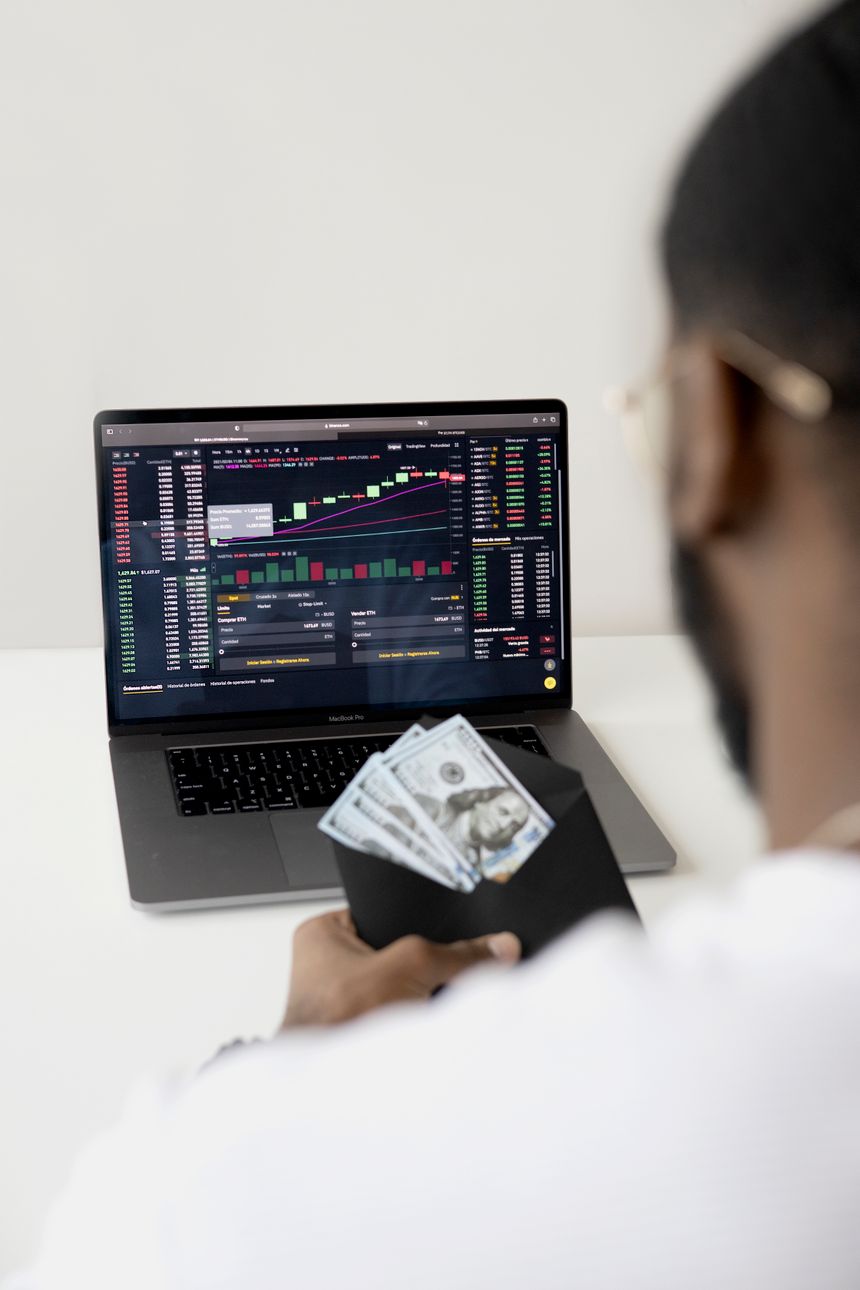
Comparison of Trading Simulator Solutions for Prop Firms
When it comes to choosing a trading simulator solution, there are several options to consider — and I'd say it's a bit overwhelming, to be honest. These include commercial off-the-shelf solutions, custom-built solutions, and cloud-based solutions. In my experience, each of these options has its own strengths and weaknesses, and the right choice will depend on the specific needs and goals of the prop firm. Some key factors to consider when comparing trading simulator solutions include:- Cost: The cost of the solution, including any upfront fees, ongoing maintenance costs, and support costs — and that's a big consideration, if you ask me.
- Customization: The level of customization available, including the ability to tailor the simulator to meet the specific needs of the prop firm — and that's essential, if you want to get the most out of your simulator.
- Scalability: The ability of the solution to scale to meet the needs of the prop firm, including the number of users and the volume of trades — and that's critical, if you ask me.
| Solution | Cost | Customization | Scalability |
|---|---|---|---|
| Commercial off-the-shelf | Lower upfront costs, but may require ongoing maintenance and support costs — and that's something to consider. | Limited customization options — and that's a drawback, if you ask me. | May not be scalable to meet the needs of large prop firms — and that's a problem, really. |
| Custom-built | Higher upfront costs, but may provide long-term cost savings — and that's a good thing, to be fair. | High level of customization available — and that's essential, if you want to get the most out of your simulator. | Can be scaled to meet the needs of large prop firms — and that's critical, if you ask me. |
| Cloud-based | Lower upfront costs, with ongoing subscription fees — and that's a good option, if you ask me. | Some customization options available — and that's better than nothing, really. | Highly scalable to meet the needs of large prop firms — and that's a big plus, if you ask me. |
But what about the role of cloud-based solutions in the trading simulator market? This is an important consideration, as cloud-based solutions can provide a highly scalable and cost-effective option for prop firms. In my experience, cloud-based solutions can provide a highly effective environment for traders to practice and refine their skills, with the added benefit of lower upfront costs and ongoing subscription fees — and that's a win-win, really."When choosing a trading simulator solution, it's essential to consider the specific needs and goals of your prop firm. This will help to ensure that the solution is tailored to meet the needs of your traders and provides a highly effective environment for them to practice and refine their skills."
— Jane Doe, Prop Firm Owner
Implementing a Trading Simulator in Your Prop Firm Operations
When it comes to implementing a trading simulator in your prop firm operations, there are several steps to consider — and I'd say it's a bit of a process, to be honest. These include integrating the simulator with existing systems, providing training and support to traders, and monitoring and evaluating the effectiveness of the simulator. In my experience, a trading simulator that is well-integrated with existing systems and provides ongoing training and support to traders can provide a highly effective environment for traders to practice and refine their skills. Some key steps to consider when implementing a trading simulator include:- Integration with existing systems: The simulator should be integrated with existing systems, including trading platforms and risk management tools — and that's essential, if you want to get the most out of your simulator.
- Training and support: The simulator should provide ongoing training and support to traders, helping them to get the most out of the simulator and refine their skills over time — and that's what it's all about, isn't it?
- Monitoring and evaluation: The simulator should be monitored and evaluated on an ongoing basis, with feedback and support provided to traders to help them refine their skills — and that's critical, if you ask me.
So, how can prop firms get started with implementing a trading simulator? Well, the first step is to understand the key steps to consider, including integration with existing systems, providing training and support to traders, and monitoring and evaluating the effectiveness of the simulator. From there, prop firms can begin to implement the simulator and provide a highly effective environment for traders to practice and refine their skills."A trading simulator should be an integral part of a prop firm's operations, providing a highly effective environment for traders to practice and refine their skills. By following the steps outlined above, prop firms can ensure that their trading simulator is well-integrated with existing systems and provides ongoing training and support to traders."
— Bob Johnson, Trading Simulator Expert
Conclusion and Next Steps: Launching a Successful Prop Firm Trading Simulator
In conclusion, a trading simulator can be a highly effective tool for prop firms, providing a safe and realistic environment for traders to practice and refine their skills. By understanding the key features of a trading simulator, choosing the right trading platform, and customizing the simulator to meet the specific needs of the prop firm, firms can provide a highly effective environment for traders to practice and refine their skills. Some key takeaways from this article include:- The importance of real-time market data and customizable risk management settings in a trading simulator — and that's essential, if you ask me.
- The need to choose a trading platform that is scalable, reliable, and able to integrate with other systems — and that's critical, if you ask me.
- The importance of customizing the simulator to meet the specific needs of the prop firm, including the level of difficulty, the type of trading scenarios, and the level of feedback and support provided to traders — and that's what it's all about, isn't it?
I hope this article has provided you with a comprehensive overview of how to build a prop firm trading simulator — and that's the goal, really. If you have any further questions or would like to learn more about how PropSoft can help you with your trading simulator needs, please don't hesitate to contact us."A trading simulator is an essential tool for any prop firm, providing a safe and realistic environment for traders to practice and refine their skills. By following the steps outlined in this article, prop firms can launch a successful trading simulator and provide a highly effective environment for their traders to practice and refine their skills."
— Michael Davis, Prop Firm Owner
