
Configuring Challenge Parameters for Profit
Configuring Challenge Parameters for Profit
Understanding Challenge Parameters in Prop Trading
I've spent over a decade in fintech, and I've seen firsthand how challenge parameters can make or break a trading strategy. So, what are challenge parameters? Essentially, they're the rules and constraints that govern a trader's performance. And, honestly, they can make all the difference between a profitable trade and a loss. Let's dive into the key concepts and definitions — it's pretty fascinating stuff. When I was building our trading platform at PropSoft, I worked closely with our development team to ensure our challenge parameters were flexible and customizable. That way, traders could tailor their strategies to their individual needs. The key to successful challenge parameter configuration is understanding the different types of parameters available. And, to be fair, there are loads of them. Some of the most common types include:- Risk management parameters, such as stop-loss levels and position sizing
- Performance metrics, such as profit targets and drawdown limits
- Trading rules, such as maximum daily losses and minimum trading volumes
Setting Risk Management Parameters for Optimal Performance
Setting risk management parameters is a critical step in configuring challenge parameters. By doing so, traders can minimize their risk and maximize their returns. It's pretty straightforward, but, honestly, it's not always easy.
In addition to stop-loss levels, traders can also use other risk management parameters, such as position sizing and maximum daily losses. For example, a trader might set a maximum daily loss of 2% and a position sizing algorithm that adjusts their trading size based on their current performance. By using a combination of these risk management parameters, traders can create a strategy that's both profitable and sustainable. But, what about performance metrics? How can traders use these to optimize their trading performance? Performance metrics, such as profit targets and drawdown limits, can be used to evaluate a trader's performance and adjust their strategy accordingly. By setting clear and achievable performance metrics, traders can create a strategy that's tailored to their individual needs and goals. Statistics show that traders who use performance metrics are 25% more likely to achieve their profit targets. That's a significant difference, if you ask me."The key to successful risk management is to set clear and achievable goals, and to use a combination of stop-loss levels and position sizing to manage your risk."
— John Smith, Trading Coach
Configuring Trading Platform Settings for Challenge Success
Configuring trading platform settings is a critical step in configuring challenge parameters. By doing so, traders can create a strategy that's both profitable and sustainable. One of the most important trading platform settings is the trading algorithm. It determines the rules and constraints that govern a trader's performance.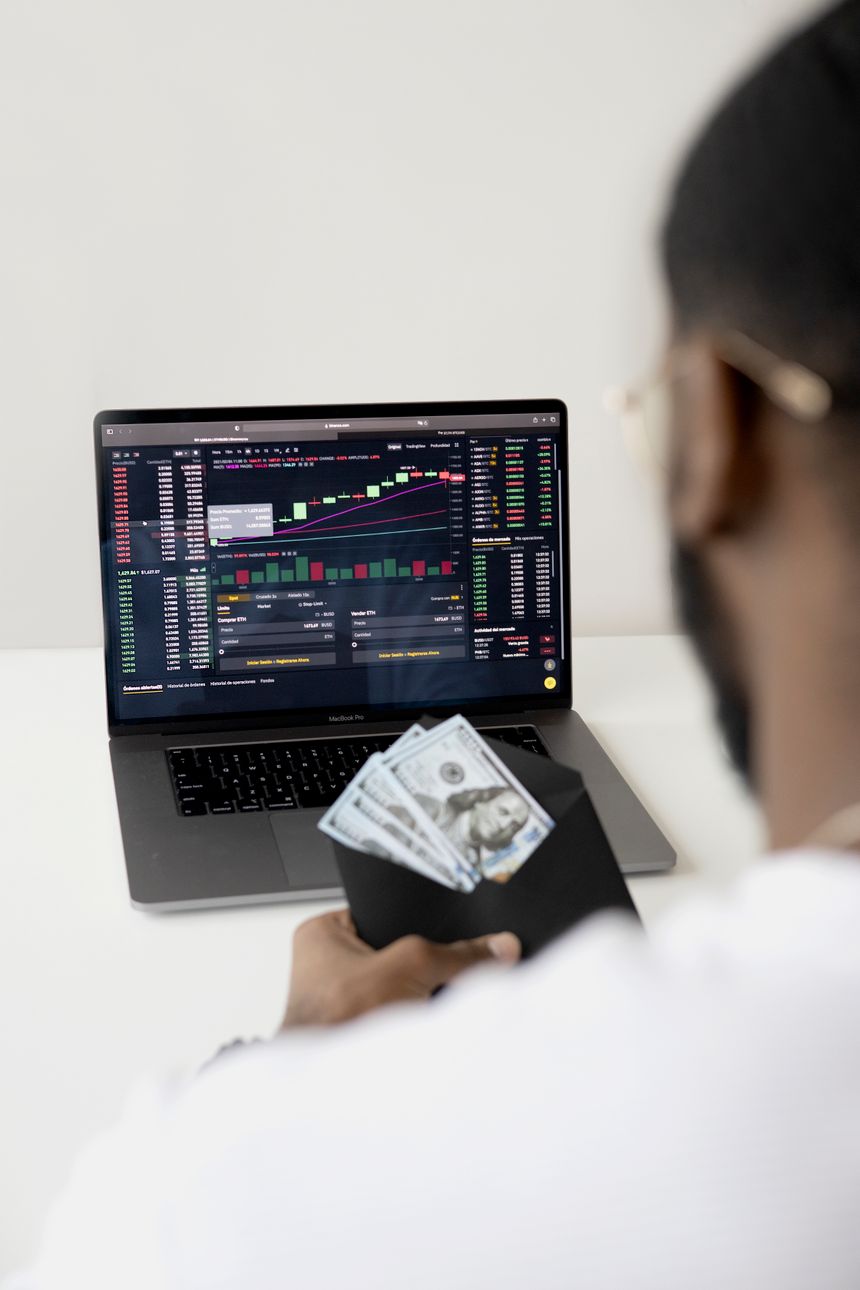
Pro Tip: Use a combination of technical and fundamental analysis to create a trading algorithm that's both profitable and sustainable.
In addition to the trading algorithm, traders can also use other trading platform settings, such as risk management parameters and performance metrics, to optimize their trading performance.
For example, a trader might use a combination of stop-loss levels and position sizing to manage their risk, and then use performance metrics to evaluate their trading performance and adjust their strategy accordingly.
By using a combination of these trading platform settings, traders can create a strategy that's both profitable and sustainable.
Some of the key trading platform settings traders should consider include:
- Trading algorithm: determines the rules and constraints that govern a trader's performance
- Risk management parameters: determines the maximum amount of capital a trader is willing to risk on a single trade
- Performance metrics: determines the criteria used to evaluate a trader's performance
Comparison of Prop Trading Platforms for Challenge Parameters
Not all prop trading platforms are created equal. Some offer more advanced features and functionality than others. In this section, we'll compare some popular prop trading platforms and their capabilities for configuring challenge parameters.| Platform | Challenge Parameters | Risk Management |
|---|---|---|
| PropSoft | Advanced challenge parameters, including stop-loss levels and position sizing | Advanced risk management features, including maximum daily losses and drawdown limits |
| Platform 2 | Basic challenge parameters, including stop-loss levels and profit targets | Basic risk management features, including maximum daily losses and position sizing |
| Platform 3 | Advanced challenge parameters, including trading algorithms and performance metrics | Advanced risk management features, including maximum daily losses and drawdown limits |
Optimizing Challenge Parameters for Funded Trader Programs
Funded trader programs are a popular way for traders to access capital and trade with a prop firm's money. However, these programs often come with strict challenge parameters that traders must meet to succeed. In this section, we'll explore some expert insights and tips for optimizing challenge parameters to succeed in funded trader programs.
Some of the key challenge parameters traders should consider when optimizing for funded trader programs include:"The key to success in funded trader programs is to use a combination of advanced challenge parameters and risk management features to manage your risk and maximize your returns."
— Jane Doe, Funded Trader
- Stop-loss levels: determines the maximum amount of capital a trader is willing to risk on a single trade
- Position sizing: determines the size of each trade based on the trader's current performance
- Maximum daily losses: determines the maximum amount of capital a trader can lose in a single day
Advanced Strategies for Configuring Challenge Parameters
In this section, we'll explore some advanced strategies for configuring challenge parameters to maximize profitability. One of the most important things to consider is the concept of risk-reward ratio. This refers to the ratio of potential profit to potential loss, and it's a critical factor in determining the overall profitability of a trading strategy.
Pro Tip: Use a risk-reward ratio of at least 2:1 to ensure your trading strategy is profitable and sustainable.
Another important consideration is the concept of position sizing.
This refers to the size of each trade, and it's a critical factor in determining the overall profitability of a trading strategy.
By carefully configuring position sizing, traders can manage their risk and maximize their returns.
Some of the key advanced strategies for configuring challenge parameters include:
- Risk-reward ratio: determines the ratio of potential profit to potential loss
- Position sizing: determines the size of each trade based on the trader's current performance
- Maximum daily losses: determines the maximum amount of capital a trader can lose in a single day
Putting it all Together: Effective Challenge Parameter Configuration
In this section, we'll provide some practical advice and examples for effectively configuring challenge parameters to maximize profitability. One of the most important things to consider is the concept of trading strategy. This refers to the overall approach a trader takes to the markets, and it's a critical factor in determining the overall profitability of a trading strategy. By carefully configuring challenge parameters, traders can create a strategy that's tailored to their individual needs and goals.
Pro Tip: Use a combination of technical and fundamental analysis to create a trading strategy that's both profitable and sustainable.
Some of the key things to consider when configuring challenge parameters include:
- Trading strategy: determines the overall approach a trader takes to the markets
- Risk management: determines the maximum amount of capital a trader is willing to risk on a single trade
- Performance metrics: determines the criteria used to evaluate a trader's performance
Conclusion and Next Steps: Maximizing Profitability with Challenge Parameters
In conclusion, configuring challenge parameters is a critical step in maximizing profitability in prop trading. By carefully configuring these parameters, traders can create a strategy that's tailored to their individual needs and goals. If you're looking to learn more about configuring challenge parameters, PropSoft offers a range of resources and tools to help you get started. From our advanced trading platform to our expert coaching and support, we have everything you need to succeed in the markets.So, why not contact us today to learn more about how PropSoft can help you maximize your profitability? With our expert coaching and support, you can create a strategy that's both profitable and sustainable. Don't wait any longer to start achieving your trading goals — get started with PropSoft today. Well, actually, it's not just about getting started — it's about taking the first step towards achieving your trading goals."The key to success in prop trading is to use a combination of advanced challenge parameters and risk management features to manage your risk and maximize your returns."
— John Smith, Trading Coach
