

Overview of Trading and Risk Management Software
Trading and risk management software has become an indispensable component of modern financial markets. These sophisticated systems facilitate traders and financial institutions in executing, monitoring, and optimizing their trading strategies with high precision and efficiency. By automating complex calculations, providing real-time data analysis, and supporting decision-making processes, such software enhances operational accuracy and responsiveness in a highly volatile environment. Central to trading operations, this software ensures that traders can swiftly adapt to market fluctuations while maintaining control over potential risks.
At its core, trading software integrates multiple functionalities including order execution, portfolio management, market analysis, and compliance tracking. These platforms enable traders to analyze vast streams of market data, identify profitable opportunities, and execute trades with minimal latency. Simultaneously, risk management features help in assessing exposure levels, setting stop-loss orders, and implementing hedging strategies to mitigate potential financial losses. As markets grow increasingly complex, the role of such software extends beyond mere execution, encompassing strategic planning, regulatory compliance, and back-office operations.

Key functionalities typically include:
- Market Data Analysis: Real-time access to price movements, news feeds, and technical indicators.
- Order Management: Seamless execution and tracking of buy and sell orders across multiple markets.
- Risk Assessment Tools: Quantitative models for measuring potential exposure and profit/loss scenarios.
- Portfolio Optimization: Techniques to maximize returns while managing risk levels.
- Reporting and Compliance: Automated report generation and monitoring of trading activities to ensure adherence to regulatory standards.
This suite of functionalities supports traders—from individual investors to large proprietary firms—in maintaining a competitive edge while safeguarding their assets. The technological evolution of this software continues to redefine the landscape of financial trading, enabling more precise, efficient, and resilient trading operations.
Types of Trading Software Platforms
In the landscape of trading technology, the diversity of software platforms caters to a wide range of trading styles, strategies, and institutional requirements. Prop firm software stands out as a specialized solution designed specifically for proprietary trading firms. These platforms typically offer advanced order execution capabilities, comprehensive risk management tools, and connectivity to multiple markets, enabling traders within these firms to operate with high precision and efficiency. Their design emphasizes scalability, security, and integration with internal trading strategies and back-office systems.

Online trading platforms are accessible via web or desktop applications, offering retail traders straightforward interfaces, real-time market data, and a range of analytical tools. These platforms often integrate charting, news feeds, and automated trading features, making them suitable for both novice and experienced traders. They prioritize ease of use, speed, and reliability, supporting a variety of asset classes from stocks and forex to cryptocurrencies.
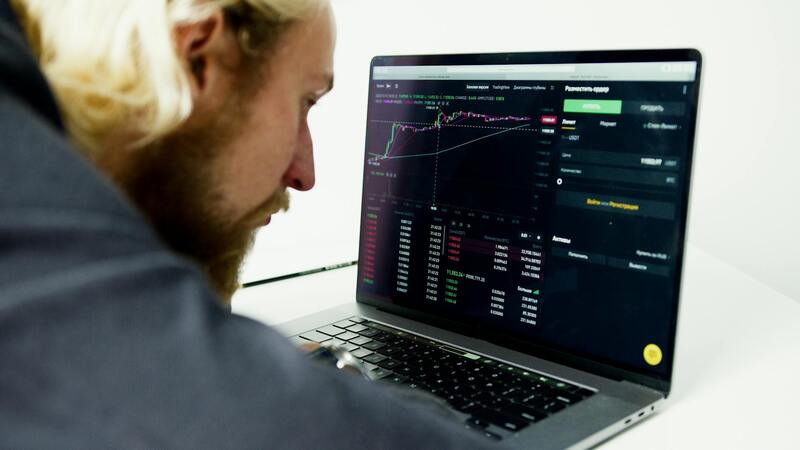
Day trading solutions target traders who engage in short-term market movements, requiring real-time data, rapid order execution, and advanced analytical tools. These platforms are optimized for high-speed trading, often incorporating customizable interfaces, algorithmic trading capabilities, and detailed risk management features tailored to short-term strategies. The primary focus is on minimizing latency and maximizing order responsiveness in volatile markets.

Each platform type integrates core modules like market data analysis, trading execution, risk assessment, and compliance monitoring. The differences lie mainly in their design focus and feature depth, aligning with specific trading activities and organizational structures. Traders and firms should evaluate their operational needs, asset focus, and trading frequency to select the platform that best supports their strategic objectives.
Features of Prop Firm and Trading Software
Prop trading firms rely heavily on sophisticated trading and risk management software to optimize performance and safeguard capital. Key features of such software include real-time trade execution, which ensures traders can act swiftly on market opportunities while maintaining precision. Efficient capital allocation modules allow firms to distribute resources effectively across various trading desks or strategies, maximizing return potential while controlling exposure. Performance tracking tools provide detailed analytics on trader activities, helping managers identify strengths and weaknesses, refine strategies, and enforce compliance standards.
Furthermore, comprehensive risk assessment tools are fundamental in prop trading environments. They provide real-time alerts on potential overexposure, potential drawdowns, or breach of pre-set limits. Customizable dashboards allow traders and risk managers to monitor critical metrics, such as leverage, margin levels, and profit/loss ratios, in a centralized interface. Automated alerts, along with integrated reporting features, enhance transparency and facilitate swift decision-making under fast-moving market conditions. Additionally, integration capabilities with other operational systems enable seamless workflows, ensuring that all trading activities are synchronized and well-documented.
Role of AI in Trading and Risk Management
Artificial Intelligence (AI) has become a pivotal element in advancing trading and risk management software. AI algorithms analyze vast quantities of market data to identify emerging patterns and forecast price movements with increased accuracy. This capability enables traders to develop more effective strategies, supported by data-driven insights rather than purely human intuition.
AI-driven systems also enhance risk management by providing predictive analytics that assess potential future exposures based on current trading activity, market volatility, and historical performance. Machine learning models adapt over time, continuously refining their predictions and risk assessments. Automated trading algorithms powered by AI enable high-frequency trading, executing orders within fractions of a second to capitalize on short-term market inefficiencies, all while maintaining strict risk controls.
Tools for Managing Trading Risks
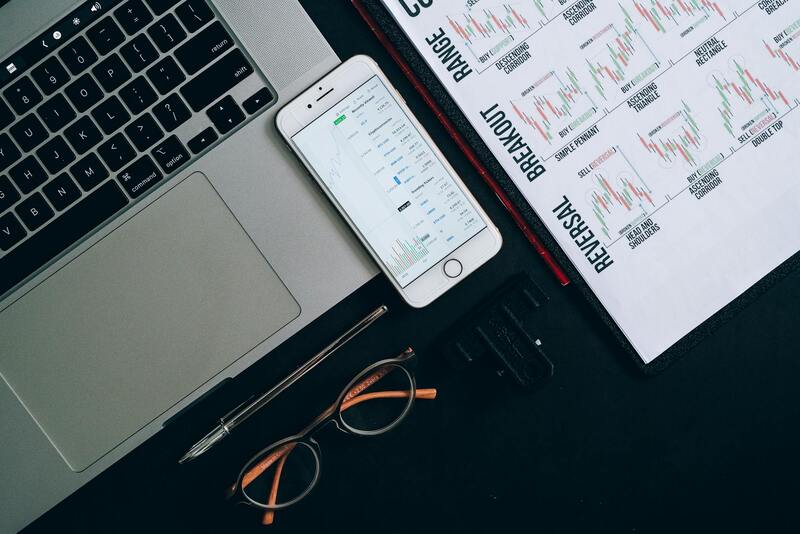
Effective risk management in trading hinges on a comprehensive suite of tools designed to monitor, control, and mitigate potential losses. Trading and risk management software should incorporate real-time stop-loss and take-profit orders, allowing traders to set predefined exit points for trades based on profitability or risk thresholds. Portfolio diversification tools help spread exposure across multiple assets or strategies, reducing vulnerability to single-market shocks.
Additional features include scenario analysis and stress testing, which simulate adverse market conditions to evaluate how a trading portfolio reacts under extreme scenarios. This proactive approach allows traders to adjust strategies beforehand, minimizing potential damage. Robust margin management tools ensure that traders maintain adequate collateral levels, preventing margin calls and forced liquidations during volatile periods. Furthermore, compliance monitoring modules track adherence to internal risk policies and external regulatory standards, fostering disciplined trading practices.
Emotion Recognition and Automated Risk Controls
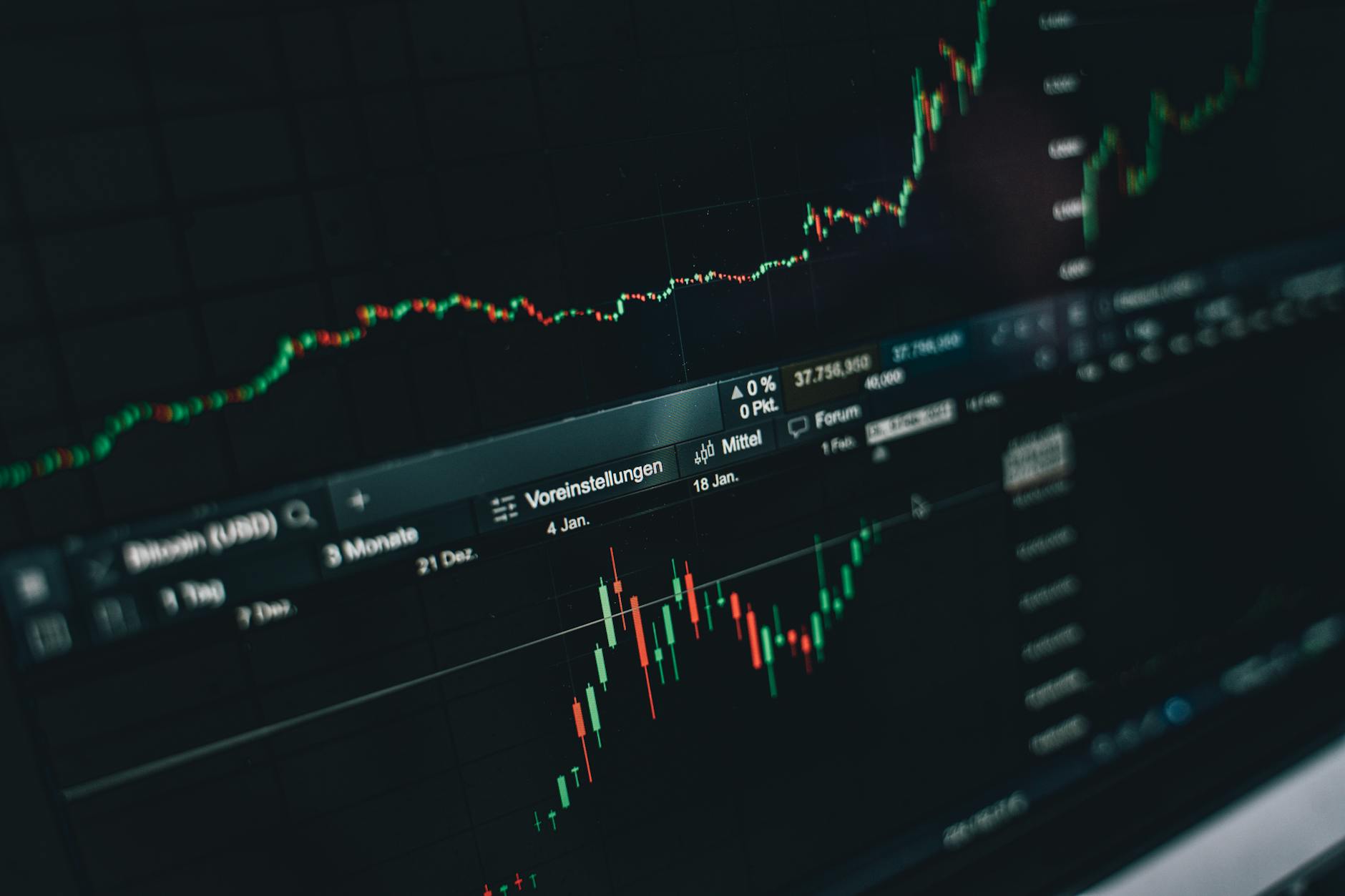
Advanced trading and risk management software increasingly incorporates emotion recognition capabilities, analyzing trader behavior to mitigate emotional biases that can lead to risky decisions. By tracking patterns such as hurried executions, hesitation, or excessive risk-taking, these tools provide real-time alerts or automated adjustments to trading strategies, promoting discipline and consistency. Automated risk controls, integrated within the platform, can impose trading limits, enforce position sizing rules, and adjust leverage in accordance with predefined risk parameters, ensuring traders remain within acceptable risk thresholds regardless of market conditions.

Algorithmic Trading and Backtesting Capabilities
Modern trading software features sophisticated algorithmic trading modules that enable traders to develop and execute complex trading strategies automatically. These algorithms can analyze vast datasets, identify patterns, and execute trades at speeds unattainable by manual trading, minimizing human error. Crucially, comprehensive backtesting tools allow traders to evaluate how strategies would perform historically under various market conditions. This process aids in refining algorithms, validating their robustness, and adjusting parameters before deploying them in live trading environments, significantly reducing potential losses caused by untested strategies.
Integration with Market Data and News Feeds
Seamless integration with real-time market data feeds and news platforms equips traders with crucial information to make informed decisions. Trading and risk management software can automatically analyze news sentiment, economic indicators, and geopolitical events, incorporating these insights into trading models. This capability enhances predictive accuracy while enabling quick responses to sudden market shifts. Additionally, direct data integration facilitates real-time monitoring of asset prices, volatility indices, and liquidity metrics, providing a comprehensive view essential for dynamic risk management.

Regulatory Compliance and Audit Readiness
Legitimate trading and risk management solutions prioritize comprehensive compliance modules that automate monitoring and documentation of trading activities in accordance with regulatory standards. These features streamline auditing processes and ensure adherence to internal policies and external reporting obligations. Automated logs, trade confirmations, and risk exposure reports enable traders and firms to maintain transparency, facilitate monitoring, and swiftly respond to regulatory inquiries. This focus on compliance reduces operational risks and supports sustainable growth in trading operations.
Customizable User Interfaces and Analytical Dashboards
The ability to customize dashboards and analytics tools according to individual or firm-specific needs enhances operational efficiency. Users can prioritize key metrics such as risk exposure, profit/loss summaries, margin levels, and alert notifications. Intuitive user interfaces promote quick decision-making, especially under high-pressure scenarios, by consolidating critical information in accessible formats. Custom analytics and reporting capabilities further empower traders and risk managers to identify trends, evaluate performance, and refine strategies consistently.
Tools for Managing Trading Risks
Effective risk management is a cornerstone of successful trading operations, especially within proprietary trading firms that rely heavily on sophisticated software solutions to safeguard their capital and optimize performance. Advanced trading and risk management software integrate a comprehensive suite of tools designed to mitigate potential losses while maximizing profit opportunities. These functionalities include dynamic stop-loss settings, precise position sizing, and strategic portfolio diversification mechanisms, all embedded within intuitive platforms accessible to traders and risk managers.
Stop-loss orders represent one of the fundamental risk mitigation tools, enabling traders to automatically exit positions when prices reach predefined thresholds. This approach helps contain losses during adverse market movements, preserving capital for future opportunities. Modern software solutions offer customizable stop-loss parameters that adapt based on real-time volatility, market trends, or individual risk preferences. Automated adjustments ensure that risk controls remain active without requiring constant human oversight.
Position sizing algorithms are another critical component, allowing traders to determine optimal trade sizes based on current account balances, margin requirements, and risk appetite. These algorithms prevent overexposure in volatile markets by calibrating trade volumes proportionally to available capital and current risk levels. This disciplined approach reduces the likelihood of catastrophic losses caused by reckless or unwarranted large positions.
Portfolio diversification tools facilitate the balanced distribution of risk across multiple assets, sectors, or trading strategies. By allocating investments strategically, traders can reduce the impact of individual asset volatility and avoid concentration risk. Software platforms often include analytics to identify uncorrelated assets or suggest diversification schemes tailored to risk profiles, thereby enhancing resilience against market downturns.

Many proprietary trading software solutions extend these core functionalities with real-time risk analytics, scenario testing, and predictive modeling. For instance, traders can simulate market shocks to assess potential portfolio impacts or leverage historical data to refine risk mitigation strategies. Risk-adjusted performance metrics, such as Sharpe ratio or maximum drawdown, further aid in evaluating trading strategies' robustness over different market cycles.
Additionally, automated alert systems notify traders or risk managers of threshold breaches, unusual trading activity, or margin calls, prompting immediate action. These alerts serve as early warning signals that help prevent significant losses and ensure compliance with internal risk policies. Integration of these risk management tools within comprehensive trading platforms ensures a seamless workflow where risk controls are embedded into all trading processes, fostering disciplined decision-making and operational resilience.
Overview of Trading and Risk Management Software
Trading and risk management software has become a cornerstone in modern financial markets, providing traders and firms with essential tools for executing trades efficiently while maintaining a controlled risk profile. These platforms integrate complex algorithms and data analytics to facilitate decision-making, streamline operations, and ensure adherence to established risk parameters. By automating routine tasks and offering real-time insights, such software reduces manual errors and enhances the ability to respond swiftly to market changes, thereby improving overall performance and stability.
Types of Trading Software Platforms
There are various categories of trading platforms designed to cater to the diverse needs of traders and firms. These include:
- Desktop Trading Platforms: Offer comprehensive charting, analysis tools, and order execution capabilities for active traders who prefer a dedicated environment on their computers.
- Web-Based Platforms: Provide accessibility from any device with internet connectivity, ensuring flexibility and ease of use without the need for extensive installations.
- Mobile Trading Apps: Allow traders to monitor markets and execute trades on the go, supporting quick decision-making in volatile environments.
- Custodial and Broker Platforms: Integrated with brokerage services for seamless trading operations, often including advanced risk management modules.
Specialized Software Solutions
Beyond basic trading functionalities, specialized software solutions are designed for quantitative research, algorithmic trading, and portfolio optimization, often incorporating high-frequency trading (HFT) capabilities and sophisticated risk analytics. The integration of these tools within unified platforms facilitates a holistic approach to trading, covering everything from strategy development to execution and post-trade analysis.
Features of Prop Firm and Trading Software
Proprietary trading firms and professional traders rely on advanced features within their software to stay competitive and manage risks effectively. Common functionalities include:
- Automated Trading & Algorithm Support: Enable execution of pre-programmed strategies with minimal manual intervention, improving speed and consistency.
- Risk Analytics & Reporting: Provide detailed insights into exposure, profit/loss metrics, and risk-adjusted performance indicators, facilitating informed decision-making.
- Customizable Alerts & Notifications: Notify traders about threshold breaches, unusual market activity, or system anomalies, helping to mitigate potential losses.
- Scenario Testing & Backtesting: Allow assessment of trading strategies under historical or simulated market conditions, optimizing approaches before deployment.
- Integration Capabilities: Seamlessly connect with market data feeds, execution venues, and other tools to ensure a comprehensive trading ecosystem.

Role of AI in Trading and Risk Management
Artificial Intelligence (AI) has significantly enhanced the capabilities of trading and risk management software. Machine learning algorithms analyze vast datasets to identify patterns and predict market movements with higher accuracy. AI-driven models facilitate adaptive risk controls, enabling systems to adjust parameters dynamically based on market volatility and other conditions. These technologies also support anomaly detection, reducing the likelihood of fraud or systemic failures. As a result, AI integration leads to more resilient trading strategies, increased automation, and improved risk mitigation efforts.
Tools for Managing Trading Risks
Effective risk management is vital to safeguard assets and maintain a sustainable trading operation. Modern tools incorporate several key mechanisms:
- Position Limit Trackers: Monitor the size of open trades against predefined thresholds, preventing overexposure in particular assets or sectors.
- Margin and Capital Management: Automate margin calls and capital allocation, ensuring compliance with internal risk policies and regulatory requirements.
- Stop-Loss & Take-Profit Orders: Automatically close positions at specified price points to control downside risk and lock in gains.
- Value at Risk (VaR) Calculation: Quantify the potential loss in a portfolio over a given period, facilitating risk-adjusted decision-making.
- Scenario Analysis & Stress Testing: Evaluate the impact of extreme market conditions or shocks on portfolios, enabling traders to prepare contingency plans.
- Alert and Notification Systems: Provide timely warnings for threshold breaches, unusual activity, or risk exposures requiring immediate attention.
- Data Visualization & Dashboards: Offer comprehensive visual insights into risk metrics, helping traders interpret data quickly and accurately.

Managing Market Volatility with Advanced Trading and Risk Management Software
As financial markets continue to evolve with increasing complexity and volatility, traders and proprietary trading firms must leverage sophisticated trading and risk management software to stay competitive and safeguard their assets. These systems provide a comprehensive suite of tools designed to mitigate risks, optimize trading strategies, and ensure compliance with regulatory standards. Implementing such technology enables users to respond swiftly to market fluctuations, manage exposure effectively, and maintain consistent performance across diverse trading environments.
Key Components of Risk Mitigation in Trading Software
Modern trading platforms integrate several critical mechanisms that empower traders to maintain control over their risk exposure while capitalizing on market opportunities. These components include:
- Position Limit Trackers: These tools continuously monitor the size of open positions against specified thresholds, preventing overconcentration in specific assets or sectors, which could lead to significant losses.
- Margin and Capital Management: Automated systems adjust margin requirements and allocate capital dynamically based on prevailing market conditions, reducing the likelihood of margin calls and ensuring capital is used efficiently.
- Stop-Loss & Take-Profit Orders: Implemented automatically, these orders close positions once predefined profit or loss levels are reached, helping traders lock in gains and limit downside risks.
- Value at Risk (VaR) Calculation: This statistical measure estimates the potential maximum loss of a portfolio over a set period, enabling traders to make risk-adjusted decisions and allocate resources prudently.
- Scenario Analysis & Stress Testing: These simulations evaluate how portfolios might perform under extreme market conditions, allowing traders to identify vulnerabilities and develop contingency strategies.
- Alert and Notification Systems: Real-time alerts warn traders of threshold breaches or abnormal activity, facilitating prompt action to prevent significant losses or capitalize on emerging opportunities.
- Data Visualization & Dashboards: These provide intuitive visual representations of risk metrics and portfolio performance, equipping traders with rapid insights and aiding in strategic decision-making.

Impact of AI and Machine Learning on Risk Strategies
Artificial Intelligence (AI) and machine learning algorithms significantly enhance risk management by offering predictive analytics and pattern detection. These technologies analyze vast datasets to identify emerging risks, market anomalies, and trading patterns that may elude human traders. AI-driven risk management systems adapt dynamically to changing market conditions, providing real-time risk assessments that enable traders to modify strategies instantly. This integration not only improves the precision of risk measurements but also facilitates the automation of complex decision-making processes, reducing human error and reaction times.
Integration of Tools for Robust Risk Control
To maximize effectiveness, trading software often combines multiple risk management tools into an integrated environment. This unified approach ensures seamless data sharing and coordinated responses to risk signals. For example, a portfolio's VaR calculations can trigger automated stop-loss orders or margin adjustments, while alerts inform traders of critical events. Visualization dashboards consolidate these insights visually, allowing for quick interpretation and timely interventions.
In volatile markets, such integrated systems are essential for maintaining resilience, supporting risk mitigation, and stabilizing trading outcomes across various asset classes and trading strategies. They serve as vital partners for professional traders and prop firms committed to disciplined risk management and sustainable growth.
Advanced Quantitative Analysis Tools and Algorithmic Trading Integration
Modern trading and risk management software increasingly incorporates sophisticated quantitative analysis tools, offering traders detailed insights into market behaviors and asset correlations. These tools enable systematic backtesting of strategies, allowing traders to simulate trades against historical data to assess potential risks and returns before actual deployment. Moreover, the integration of algorithmic trading systems automates execution based on predefined parameters, ensuring rapid responses to market signals and reducing emotional biases that can impair trading decisions.
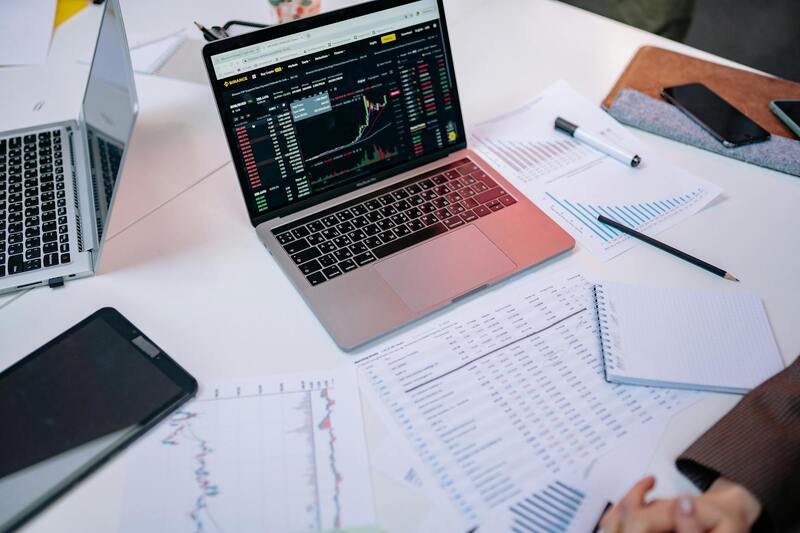
Algorithmic trading algorithms incorporate complex mathematical models, including statistical arbitrage, trend-following, and mean reversion, to identify optimal entry and exit points. These models leverage real-time data feeds and execute trades at speeds unattainable by human traders, thereby increasing efficiency and capitalizing on fleeting market opportunities. When combined with comprehensive risk management overlays—such as dynamic position sizing and automated stop-loss adjustments—these systems foster a disciplined trading environment capable of navigating volatile markets with consistency and resilience.
Real-Time Data Analytics and Market Monitoring
Effective risk management hinges on continuous market monitoring and real-time analytics. Modern software integrates multiple data sources, including news feeds, economic indicators, geopolitical updates, and social media sentiments, providing traders with a holistic view of market influences. Advanced analytics dashboards visualize incoming data streams, enabling traders to detect early warning signs of adverse market movements. This facilitates proactive risk mitigation strategies, such as adjusting leverage ratios or temporarily halting trading during turbulent periods.
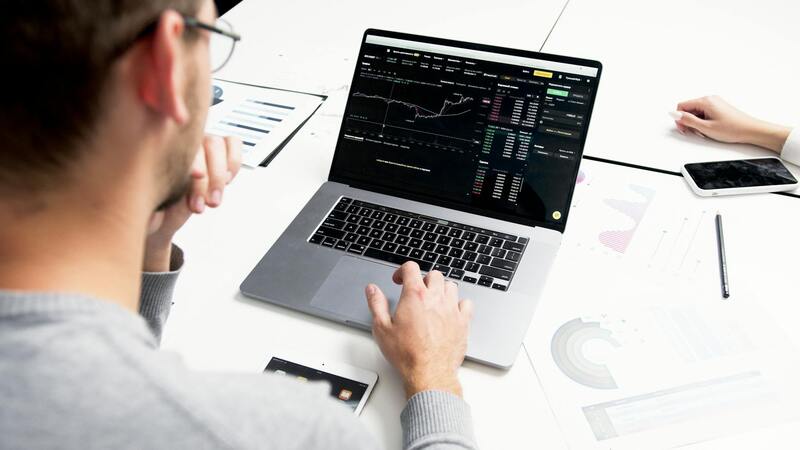
While these tools enhance situational awareness, they also support compliance with trading protocols and risk thresholds. Automated alerts notify traders of deviations from predefined parameters, prompting immediate review and intervention. Such proactive risk oversight is essential for managing large portfolios across diverse asset classes, preventing significant losses and maintaining trading discipline under unpredictable market dynamics.
Automated Reporting and Regulatory Compliance
Regulatory requirements and transparency demands necessitate comprehensive reporting features within trading and risk management software. Automated reporting modules generate detailed logs of trading activities, risk assessments, and decision-making processes, ensuring adherence to best practices and facilitating audits. These reports aid in identifying operational vulnerabilities and refining risk control measures over time.
Additionally, compliance modules often include scenario testing and stress analysis tools, simulating extreme market conditions to evaluate potential impacts on portfolio integrity. This forward-looking approach helps traders and prop firms prepare for adverse scenarios, protecting assets while maintaining compliance with evolving trading standards and policies.
Conclusion
In an increasingly complex trading environment, robust trading and risk management software solutions are indispensable. By harnessing advanced analytics, automation, and comprehensive risk controls, traders can navigate volatility with greater confidence and precision. As technology continues to evolve, these tools will play an even more critical role in safeguarding assets, optimizing performance, and ensuring disciplined trading practices across all market conditions.
