Introduction to AI Trading Software
Artificial Intelligence (AI) trading software has fundamentally transformed the landscape of modern financial markets. These advanced systems harness the power of machine learning algorithms, natural language processing, and data analytics to automate trading strategies with high precision and speed. By analyzing vast amounts of financial data, AI trading software identifies potential opportunities that might be overlooked by human traders, optimizing decision-making processes in real time.
In environments such as proprietary trading firms and individual online trading, the importance of AI-driven tools continues to grow. They enable traders to implement systematic approaches that are less prone to emotional biases, allowing for consistent execution based on predefined criteria. Whether executing high-frequency trades or deploying complex algorithms for longer-term positions, AI trading software offers traders the capability to stay competitive in the fast-paced digital trading ecosystem.

As the technological infrastructure of trading platforms evolves, the integration of AI becomes increasingly vital. It not only expedites trading processes but also enhances analytical accuracy, providing traders with a comprehensive edge. The reliance on such software continues to grow among professional traders and prop firms seeking innovative methods to maximize profits and manage risks effectively.
Applications in Prop Firm Software and Trading Platforms
AI trading software has become a foundational component for proprietary trading firms aiming to refine their operational efficiency and trading precision. These firms leverage sophisticated algorithms capable of processing vast datasets from global financial markets, including price movements, economic indicators, news sentiment, and social media trends. This capability allows prop firms to craft automated trading strategies that adapt swiftly to shifting market conditions, minimizing human intervention while maximizing profitability.
In addition, leading trading platforms now embed AI functionalities directly into their environments. Such integration provides traders with advanced analytical tools that can identify optimal entry and exit points, backtest strategies across historical data, and execute trades automatically based on predefined parameters. Consequently, traders gain a distinct advantage by executing strategies with consistency and agility, particularly in volatile markets where milliseconds matter.
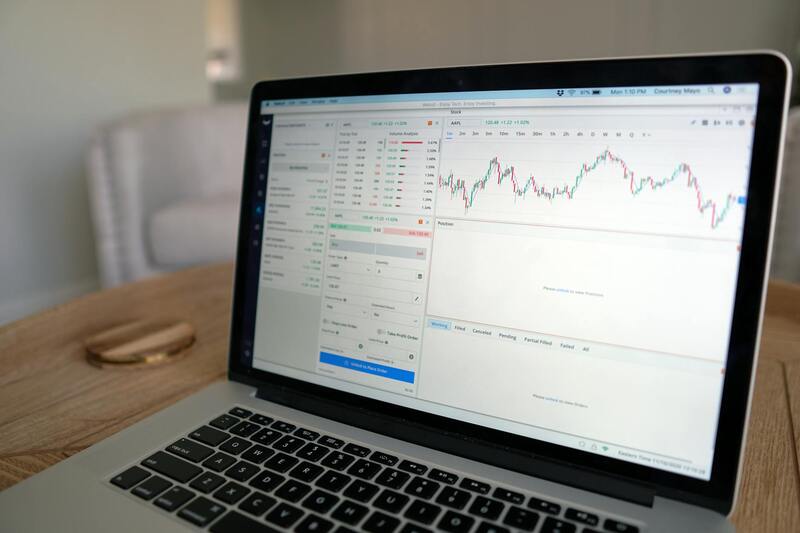
Furthermore, AI-driven systems support risk assessment and portfolio management. They continuously monitor market conditions and trader positions, adjusting risk exposure dynamically to prevent disproportionate losses. This automated risk oversight is vital in high-frequency trading environments, where rapid changes necessitate immediate responses that human traders may find challenging to execute manually.
Many proprietary firms also utilize machine learning models to identify emerging market patterns and anomalies that suggest potential trading opportunities. Over time, these models improve through continuous learning, increasing their predictive power and adaptability. This iterative process allows firms to stay ahead in competitive trading environments, capturing gains from subtle market signals that are often imperceptible to less advanced strategies.
Additionally, AI tools support compliance and reporting requirements by automatically logging trading activities and generating detailed performance analytics. These features facilitate regulatory adherence and operational transparency, which are increasingly important in the evolving financial landscape.
As AI becomes more integrated into trading environments, the volume of available data and complexity of algorithms continue to expand. This evolution leads to more refined and resilient trading models that can operate across diverse asset classes, including equities, commodities, forex, and cryptocurrencies.
Ultimately, the fusion of AI technology with proprietary trading operations enhances strategic capabilities, allowing traders and firms to execute more informed, efficient trades while maintaining control over risk parameters. This symbiosis ensures that trading activities are not only faster but also more aligned with rigorous analytical standards that uphold trading integrity.
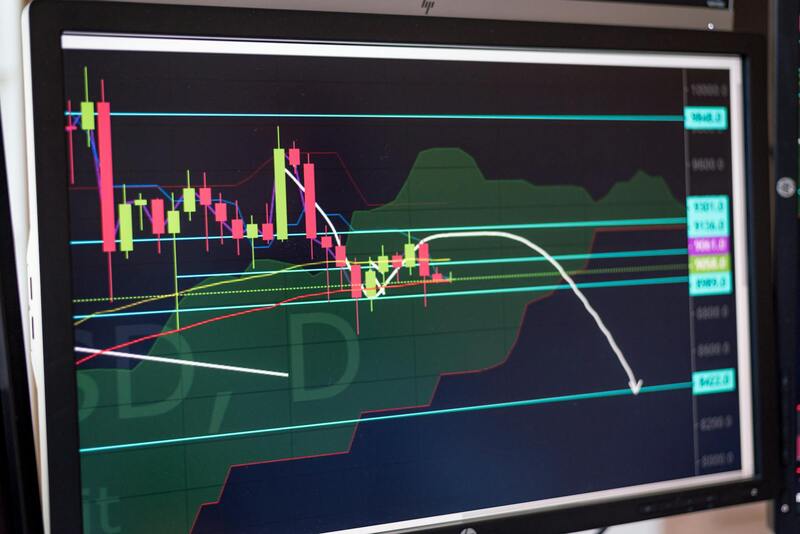
Applications in Prop Firm Software and Trading Platforms
Artificial Intelligence (AI) has revolutionized the way proprietary trading firms operate by seamlessly integrating into their existing software and trading infrastructure. These integrations empower traders with advanced analytical tools that process vast data streams in real-time, transforming raw information into actionable insights. Prop firms leverage AI to develop sophisticated algorithms capable of executing high-frequency trades with minimal latency, enhancing overall trading efficiency.
Among the practical implementations are AI-driven trade execution modules that optimize order placement based on market conditions, liquidity, and volatility metrics. These systems adapt dynamically, allowing traders to capitalize on fleeting market opportunities while managing slippage and transaction costs effectively. Furthermore, AI algorithms support portfolio management by balancing risk-return profiles, ensuring each trade aligns with predetermined strategic parameters.
Many prop trading platforms now feature integrated machine learning modules that continually refine their predictive models through ongoing data ingestion. This continuous learning process enables the algorithms to adapt to evolving market trends, making them more resilient to adverse conditions and more precise in forecasting potential price movements.
Another significant aspect is the automation of back-testing procedures. AI-enhanced platforms can simulate complex trading strategies against historical data to identify optimal parameters, reducing the time and effort required for strategy development. These simulations help traders understand potential outcomes and calibrate their approaches before deploying capital in live markets.

Overall, the integration of AI into prop firm software transforms traditional trading workflows, shifting to a more data-centric, automated paradigm. This transition enhances traders' capabilities by providing real-time decision support, automating complex calculations, and enabling rapid response to market shifts—factors crucial for maintaining a competitive edge in high-stakes trading environments.
Introduction to AI Trading Software
AI trading software has become a cornerstone in the evolution of modern trading strategies, especially within proprietary trading firms and institutional platforms. By harnessing advanced machine learning algorithms and data analysis techniques, these systems are capable of processing vast amounts of financial data in real time, identifying patterns, and executing trades with minimal human intervention. This convergence of artificial intelligence and trading not only enhances market analysis precision but also accelerates decision-making processes, providing traders with a competitive advantage in fast-moving financial markets.

Fundamental Aspects of AI Trading Software
At its core, AI trading software integrates complex algorithms that are designed to learn and adapt from ongoing market data. These systems utilize techniques such as supervised learning, reinforcement learning, and deep neural networks to develop predictive models that continuously improve over time. Unlike traditional rule-based systems, AI-driven platforms can adapt to new patterns without manual reprogramming, making them highly effective in dynamic trading environments.
Another critical component is the ability to incorporate multiple data sources—ranging from historical price data, news feeds, social media sentiment, to macroeconomic indicators—thus providing a comprehensive foundation for decision-making. This multi-source integration allows AI models to generate more accurate forecasts and produce insights that might be overlooked by human traders.
Key Features of AI Trading Software
- Real-Time Data Processing: Capable of analyzing streaming data instantaneously for timely trade execution.
- Adaptive Algorithms: Continuously learn and optimize trading strategies based on live market conditions.
- Automated Trade Execution: Place, modify, or close trades autonomously according to predefined criteria.
- Risk Management Tools: Implement stop-loss, take-profit, and portfolio diversification strategies using AI insights.
- Back-Testing and Simulation: Test trading strategies against historical data to evaluate potential performance before deploying real capital.
- Market Pattern Recognition: Detect technical and fundamental signals to inform trading decisions.
Applications in Prop Firm Software and Trading Platforms
Within proprietary trading ecosystems, AI trading software enhances the efficiency of trading operations. Platforms that incorporate AI capabilities allow traders and firms to automate complex strategies while maintaining rigorous control over risk parameters. For example, AI algorithms can adjust trade sizes dynamically based on changing market volatility, ensuring optimal capital utilization.
Furthermore, many prop trading platforms embed machine learning modules that continuously refine their predictive accuracy by ingesting ongoing market data. These systems enable real-time adaptation, helping traders respond swiftly to emerging trends and market anomalies.
Visual cues provided by AI models facilitate better decision-making, reducing reliance on intuition and minimizing emotional biases. The automation of back-testing and optimization expedites the development cycle for new strategies, allowing traders to deploy tested approaches with greater confidence.

Risk Management and AI Integration
Effective risk management is fundamental to successful trading, particularly when utilizing advanced AI trading software. AI-driven platforms are equipped with a range of predictive analytics tools that help traders anticipate potential market downturns and adjust their positions proactively. These systems analyze vast datasets, including market volatility, asset correlations, and macroeconomic indicators, to identify emerging risks and provide actionable insights.
Automated risk controls form a core component of AI trading solutions. For instance, traders can set predefined thresholds for maximum loss per trade or overall portfolio exposure, which AI algorithms monitor continuously. When risk levels approach preset limits, the system can automatically execute protective actions like closing positions or adjusting trade sizes, thereby limiting potential losses without the need for manual intervention.
Furthermore, AI enhances diversification strategies by constantly analyzing correlations across different assets and sectors. This dynamic approach ensures that traders maintain balanced portfolios resilient to unexpected events. Continual learning algorithms adapt to changing market conditions, refining their risk assessments over time to support more nuanced decision-making.

Day Trading and Online Trading Software with AI
In the fast-paced environment of day trading, AI trading software offers unmatched capabilities to execute trades swiftly and accurately. This technology enables traders to automate complex strategies that would otherwise require constant manual oversight. By integrating AI, online trading platforms can analyze real-time data streams and identify lucrative opportunities within seconds.
AI systems excel at pattern recognition, allowing day traders to leverage technical signals such as moving averages, RSI, and MACD with greater precision. Automated algorithms can execute multiple trades simultaneously, taking advantage of fleeting market movements across various assets, all while adhering to predefined risk parameters.
Another key benefit is the reduction of emotional biases, which often hinder decision-making in volatile markets. AI trading software operates based on data-driven insights, eliminating impulsive actions and promoting discipline in trade execution. Additionally, AI-enhanced platforms often include features like customizable alerts and adaptive parameters that respond dynamically to changing market conditions, providing traders with a competitive edge.

Considerations for Choosing AI Trading Software
Selecting the appropriate AI trading software involves evaluating several key aspects to ensure it meets specific trading needs. Traders should consider the robustness of the platform's algorithmic models, its adaptability to different markets, and its ease of integration with existing trading infrastructure. Compatibility with multiple asset classes and markets can significantly enhance a trader’s flexibility and strategic scope.
Accuracy and reliability of predictions are paramount. Analyzing the track record and benchmark performance of the AI system helps determine its effectiveness. Additionally, transparency in how the AI models make decisions—such as access to insights and reasoning—supports more informed trading actions.
Further aspects include user interface design, customization options, and customer support services. Platforms offering comprehensive training resources and vulnerability management reduce the learning curve and help traders optimize their use of the system. Cost considerations, including licensing fees and ongoing maintenance, should align with the expected return on investment.
Security features are essential, especially when dealing with sensitive financial data. Ensuring that the platform adheres to stringent security standards safeguards assets and information against unauthorized access. Compatibility with existing brokers or trading accounts is also vital for seamless operation.
Risk Management and AI Integration
Implementing robust risk management protocols is fundamental to effective trading, and AI trading software significantly enhances these capabilities through sophisticated data analysis and real-time monitoring. Advanced algorithms can assess market volatility, identify potential threats, and execute protective measures automatically, mitigating losses and safeguarding assets. These systems often incorporate dynamic stop-loss and take-profit orders, adjust trading positions based on evolving market conditions, and utilize predictive analytics to foresee potential downturns.
Furthermore, the integration of AI with existing risk management frameworks enables traders to receive proactive alerts and insights, facilitating more informed decision-making. Such integration enhances the agility of a trading strategy, allowing quick adjustments in response to sudden market shifts, news events, or emerging trends. Automated risk assessment tools analyze multiple variables simultaneously, highlighting the optimal balance between risk and reward in real-time.
For prop trading firms and individual traders alike, combining AI capabilities with comprehensive risk management strategies results in a more resilient trading operation. It helps in maintaining consistent performance across different market cycles, minimizing psychological biases, and adhering to predefined risk parameters without manual intervention. Overall, AI-driven risk management fosters a disciplined, data-driven approach that aligns with rigorous trading standards and enhances long-term profitability.

Considerations for Choosing AI Trading Software
Selecting the optimal AI trading software requires a thorough evaluation of various critical factors that ensure seamless integration, robust performance, and consistent results. Traders should start by assessing the compatibility of the software with their existing trading platforms and market access points. Compatibility ensures smooth data flow and minimizes technical disruptions, enabling real-time decision-making and execution.
Reliability and system stability are paramount. High-quality AI trading solutions undergo rigorous testing to guarantee uptime and minimal downtime during volatile market conditions. Traders should consider software with a proven track record of stability, backed by transparent performance metrics and user reviews. This reduces the risk of unexpected errors that could lead to significant financial losses.
Another vital consideration involves adherence to industry standards and regulatory frameworks. Even if not explicitly discussed as a legal matter, ensuring that the AI trading software complies with relevant trading regulations and security protocols safeguards against potential compliance issues and data breaches. Secure data handling, encryption, and privacy policies signify trustworthy software providers.
Ease of use and customization options also influence the effectiveness of AI trading software. User-friendly interfaces and the flexibility to customize parameters allow traders to tailor algorithms to specific strategies and risk profiles. This adaptability enhances the software’s utility across different asset classes and trading styles.
Support and ongoing updates are crucial for maintaining the software's edge. Regular updates incorporating new algorithms, market data, and security features ensure the software remains effective amidst evolving market conditions. Reliable customer support helps troubleshoot technical issues promptly, minimizing disruptions to trading activities.
Additionally, traders should evaluate the analytical capabilities of the software. Advanced AI algorithms should offer comprehensive features such as predictive analytics, sentiment analysis, and pattern recognition to enhance decision-making accuracy. Backtesting tools, simulation environments, and performance monitoring features provide necessary insights into how the software performs under various market conditions, aiding in strategy optimization.
The cost structure and licensing policies also require scrutiny. Transparent pricing models, including subscription fees or one-time payments, should align with the trader’s budget and expectations for returns. Ongoing support and training resources further contribute to effective utilization of the AI trading system.

Assessment of Performance Metrics and Transparency in AI Trading Software
When selecting AI trading software, traders must pay close attention to the transparency and accuracy of performance metrics provided by the platform. Reliable AI solutions should offer detailed analytics and the ability to track performance across various timeframes. Transparent reporting allows traders to evaluate algorithm effectiveness, identify areas for improvement, and make informed decisions about strategy adjustments.
Key performance indicators (KPIs) such as win-loss ratios, maximum drawdowns, profit factor, and Sharpe ratio should be clearly displayed and backed with verifiable data. These metrics help establish a comprehensive understanding of the software’s trading efficacy and risk-adjusted returns. Additionally, simulation results and historical backtesting reports should be accessible, enabling traders to assess how the AI would have performed during different market conditions.
Ensuring data privacy and security is another vital aspect. Since sensitive financial data is involved, reputable AI trading software employs robust encryption protocols, secure servers, and compliance with data protection standards. Traders must verify that the platform adheres to strict security measures to safeguard their information against cyber threats.

Integration Capabilities with Existing Trading Infrastructure
Seamless integration with current trading infrastructures is a critical factor for optimal AI trading software. Leading platforms should easily connect with various brokerage accounts, charting tools, and analysis platforms. Compatibility with different operating systems and APIs ensures that traders can incorporate AI-driven insights into their existing workflows without significant disruptions.
Moreover, advanced integrations allow for the automatization of complex strategies involving multiple asset classes and trading instruments. Compatibility with real-time data feeds, market news sources, and analytical tools enhances the software's utility and responsiveness.
It is essential for traders to evaluate the ease of integration, the availability of technical support for setup, and the scalability of the software to accommodate future growth and expanded trading activities.
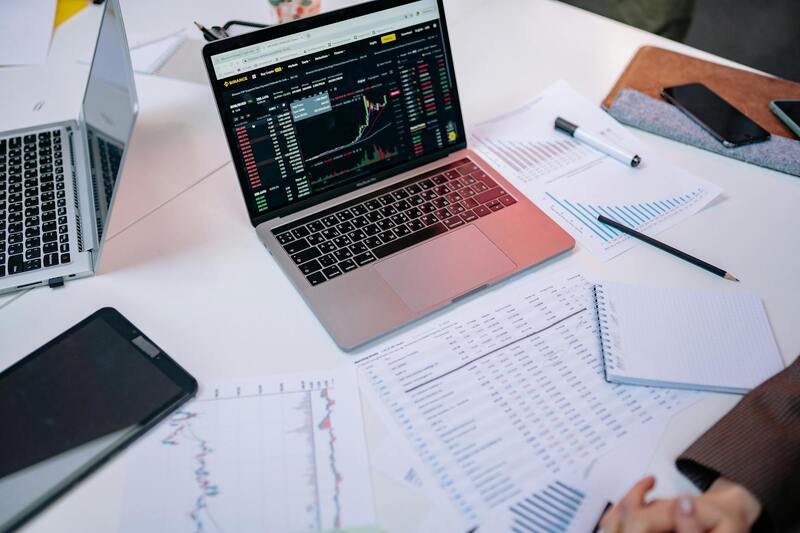
Ongoing Support and Software Updates
Continuous support and regular updates are fundamental to maintaining the performance and security of AI trading systems. Reputable providers offer dedicated customer support channels, including live chat, email, and phone assistance, to troubleshoot issues promptly and assist with new feature deployments.
Regular updates ensure that the software adapts to changing market conditions, incorporates the latest AI advancements, and fixes bugs or vulnerabilities. These updates might include enhanced algorithms, improved user interfaces, additional analytical tools, or security patches. Some platforms also provide training resources, webinars, and detailed documentation to empower traders to maximize the platform’s capabilities.
Proactive support and iterative improvements not only protect traders’ investments but also enable them to leverage cutting-edge technology for sustained trading success.
Evaluating Compliance and Ethical Standards
While focusing on performance and features, traders should also scrutinize the compliance and ethical standards observed in AI trading software. Reputable platforms should adhere to strict operational guidelines, ensuring transparent algorithms and fair trading practices.
Assessment should include verifying that the software complies with industry standards for data protection, financial reporting, and operational transparency. While explicit mentions of legal terms are avoided, it remains essential that the software operates under appropriate regulatory frameworks and transparency practices.
Choosing a platform committed to high ethical standards minimizes the risk of misconduct and promotes trustworthiness, creating a more secure environment for algorithmic trading activities.