
Overview of Day Trading Software
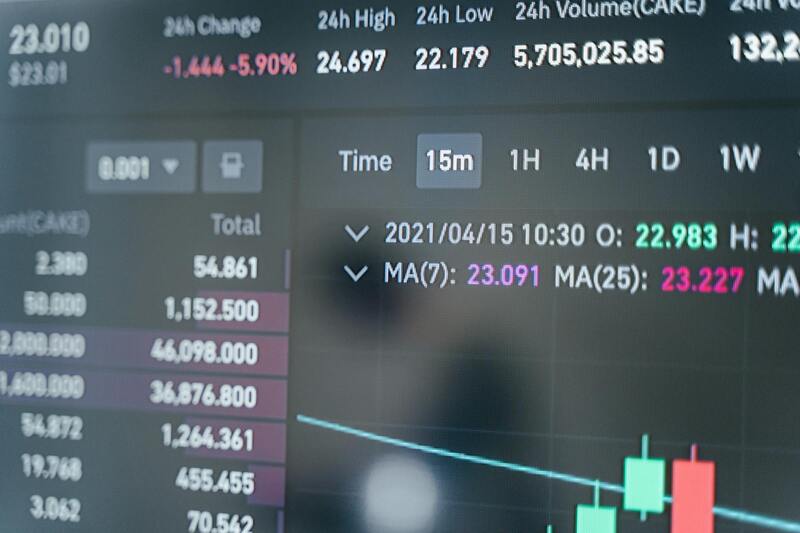
Day trading software has become an indispensable tool for active traders seeking to optimize their strategies and improve their market timing. These platforms serve as sophisticated interfaces that enable traders to access real-time market data, execute trades swiftly, and manage multiple positions efficiently. Designed to cater to both novice and experienced traders, day trading software offers a comprehensive suite of tools that enhance analytical capabilities and facilitate decision-making in fast-paced trading environments.
The primary purpose of day trading software is to streamline the entire trading process—from market analysis to order execution—within a unified environment. This integration minimizes delays, reduces errors, and provides a competitive advantage in volatile markets. The importance of such software lies in its ability to deliver timely information, customizable trading algorithms, and advanced charting tools, all crucial for successful short-term trading activities.

The effectiveness of day trading software hinges on its capacity to process vast amounts of data swiftly and accurately. In highly active trading scenarios, milliseconds can make the difference between profit and loss. Thus, reliable data feeds and rapid execution capabilities are paramount. Additionally, features such as customizable dashboards, alerts, and automated trading functions empower traders to respond promptly to market developments, ensuring they do not miss critical opportunities.
Types of Day Trading Software Platforms
Day trading software platforms come in various forms tailored to different trading styles and needs:
- Standalone Desktop Applications: These are comprehensive platforms installed locally on a trader’s computer, offering high customization, rapid execution, and advanced analytical tools.
- Web-Based Platforms: Cloud-based solutions that are accessible from any device with an internet connection. They provide flexibility and ease of access but may vary in performance and features.
- Mobile Trading Apps: Designed for traders who require on-the-go access, these apps deliver essential trading functionalities optimized for smartphones and tablets.
- API-Based Trading Platforms: For traders who prefer automated strategies, Application Programming Interfaces (APIs) enable integration with custom algorithms and third-party tools.
Key Features of Effective Day Trading Software
To support successful trading activities, quality day trading software incorporates several critical features:
- Real-Time Data Streaming: Access to live market quotes, news feeds, and economic indicators.
- Advanced Charting and Technical Analysis: Tools for drawing trend lines, indicators, and patterns.
- Order Types and Execution Speed: Support for various order types such as market, limit, and stop-loss orders, with minimal latency.
- Risk Management Tools: Features like maximum drawdown alerts, position sizing calculators, and stop-loss orders.
- Customizability: Ability to tailor dashboards and trading algorithms to individual strategies.
Integration of AI in Day Trading Software
Artificial Intelligence (AI) integration enhances the analytical depth and predictive capabilities of trading platforms. AI-driven software can analyze vast datasets, recognize emerging patterns, and generate insights that might be missed by human traders. Machine learning algorithms continually learn from new data, refining their predictions and recommendations over time. This integration enables traders to develop more precise entry and exit strategies, improve risk assessments, and automate complex trading decisions based on predefined criteria.
Risk Management and Trading Software
Effective risk management is fundamental to sustaining long-term profitability in day trading. Modern trading software offers built-in tools to monitor and mitigate potential losses:
- Automated stop-loss and take-profit orders to limit downside and lock in gains.
- Real-time alerts on margin levels and exposure limits.
- Position sizing calculators to optimize trade size relative to account equity.
- Scenario analysis features for stress testing trading strategies under different market conditions.
Prop Firm and Proprietary Trading Software
Proprietary trading firms often develop specialized software tailored to their trading models and risk protocols. These platforms are optimized for high-frequency trading, algorithmic execution, and strict compliance standards. Such software often integrates proprietary analytics, proprietary data feeds, and custom automation protocols to support traders operating within firm guidelines. These tools are essential for prop firms that aim to maximize their trading edge while maintaining regulatory and operational standards.
Choosing the Right Day Trading Software
Selecting an appropriate platform is a critical decision for traders aiming for consistent success. Factors to consider include:
- Market Compatibility: Ensure the platform supports the financial instruments and markets you trade.
- Performance and Reliability: Look for low latency, robust infrastructure, and uptime guarantees.
- User Interface and Usability: A clean, intuitive interface reduces errors and enhances workflow.
- Cost Structure: Evaluate subscription fees, commissions, and additional charges.
- Support and Community: Access to training resources, customer service, and active user communities.
Future Trends in Day Trading Software
The landscape of day trading software continues to evolve with technological advancements. Emerging trends include increased adoption of AI and machine learning, enhancements in automation and algorithmic trading, and improved integration with mobile and cloud environments. Additionally, advances in data visualization and augmented reality may provide traders with richer analytical perspectives. As markets grow more complex, software solutions will likely emphasize higher degrees of customization, security, and real-time collaboration features to meet the demands of modern traders.
Types of Day Trading Software Platforms
Understanding the range of available trading platforms is vital for traders seeking to optimize their strategies. Different software solutions cater to varied operational styles and trading goals, primarily categorized into proprietary platforms, prop firm-specific applications, and online brokerage platforms.

Proprietary Trading Platforms
Proprietary platforms are often developed in-house by trading firms or brokerages to meet specific operational and analytical requirements. These platforms typically offer enhanced integration with firm resources, tailored order execution processes, and customized analytical tools. Traders using proprietary platforms benefit from seamless connectivity with firm-specific risk management protocols and reporting systems, facilitating adherence to internal policies and industry standards.
Prop Firm-Specific Software
Prop trading firms frequently utilize specialized software that is optimized for their unique trading strategies and compliance frameworks. These applications may feature sophisticated automation tools, preconfigured algorithms, and real-time risk monitoring modules. Access to these proprietary solutions allows traders to leverage advanced analytics, automation, and integration capabilities aligned with the firm's trading infrastructure.
Online Trading Platforms
Regarded as the most accessible option, online trading platforms are used widely across retail and institutional traders. These platforms provide comprehensive market data, charting tools, order execution capabilities, and customization options. Many are supported through browser-based solutions or dedicated desktop applications, suitable for traders who prioritize flexibility and ease of use. Notable examples include platforms that connect directly to major exchanges and financial markets, ensuring traders can operate efficiently with real-time data updates.
Key Aspects of Platform Compatibility
- Market Coverage: The ability of the platform to support trade execution in various asset classes, including equities, forex, commodities, cryptocurrencies, and derivatives.
- Technology Infrastructure: Robust infrastructure that minimizes latency and maximizes operational reliability, ensuring precise order execution under fast-moving market conditions.
- User Experience: An intuitive interface with customizable workspace layouts, integrated analytical tools, and smooth navigation, reducing training time and operational errors.
- Security Measures: Advanced encryption protocols, multi-factor authentication, and real-time monitoring systems that safeguard trading activities and sensitive data.
- Integration Capabilities: Compatibility with third-party analytics, data feeds, and automation tools to enhance trading efficiency and decision-making processes.
Enhancing Trading Performance with Platform Selection
Choosing the right trading platform hinges on aligning software capabilities with trading aims and operational preferences. Whether prioritizing speed, analytical depth, or ease of use, traders should evaluate options based on their specific market focus, risk appetite, and technological requirements. Proper integration of the chosen platform with existing infrastructure ensures cohesive workflows, enabling traders to capitalize on market opportunities swiftly and effectively.
Key Features of Effective Day Trading Software
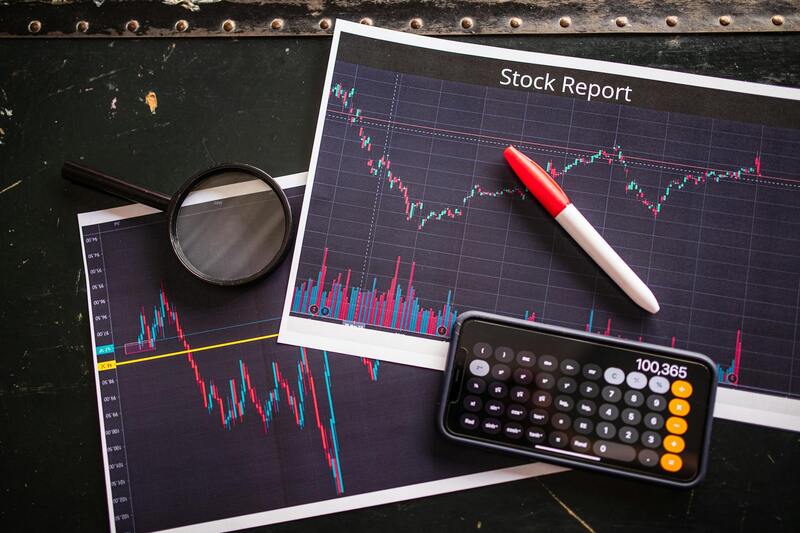
When selecting a day trading software platform, traders must focus on key features that directly impact their trading efficiency, decision-making clarity, and overall performance. These features are essential for maintaining competitiveness in dynamic markets and ensuring seamless operations in fast-paced trading environments.
Real-Time Market Data and Charting Tools
Accurate, real-time market data serves as the backbone of effective day trading. Platforms offering high-speed data feeds allow traders to monitor price movements, volume changes, and market sentiment instantly, which is crucial for making timely trades. Integrated charting tools provide visual representations of price trends, support and resistance levels, and technical indicators, helping traders identify entry and exit points with precision.
Customizable Alerts and Notifications
Effective trading software includes customizable alerts that notify traders of specific market conditions or price levels. These alerts enable traders to remain vigilant without constantly monitoring the screen, facilitating quick responses to market opportunities or risk signals. Whether through pop-up notifications, emails, or app alerts, customization ensures that traders stay informed about critical developments tailored to their strategies.
Order Execution and Automation
Swift and reliable order execution is fundamental to successful day trading. Platforms that offer one-click trading capabilities, advanced order types (such as stop-loss, take-profit, and trailing stops), and direct market access enable traders to execute trades without delay. Additionally, automation features like algorithmic trading and preset order conditions streamline operations, allowing traders to capitalize on opportunities even when offline.
User Interface and Usability
An intuitive, clutter-free interface reduces operational errors and accelerates decision-making. Customizable layouts, dark/light mode options, and drag-and-drop widgets enable traders to tailor their workspace for maximum efficiency. Ease of navigation across different sections such as market scanners, charting, and trade management minimizes the learning curve and enhances overall productivity.
Security and Data Protection
Security measures such as encrypted data transmission, multi-factor authentication, and regular system audits are vital for safeguarding sensitive trading information. Reliable software providers incorporate these security features to protect traders’ accounts from unauthorized access and cyber threats, maintaining confidence in the trading environment.
Integration with Analytical Tools and Data Feeds
Seamless integration with third-party analytical tools, news feeds, and data providers empowers traders with comprehensive market insights. Combining real-time data with advanced analytics enhances strategy development and decision accuracy, ultimately leading to more informed trading capital utilization.
Overview of Day Trading Software
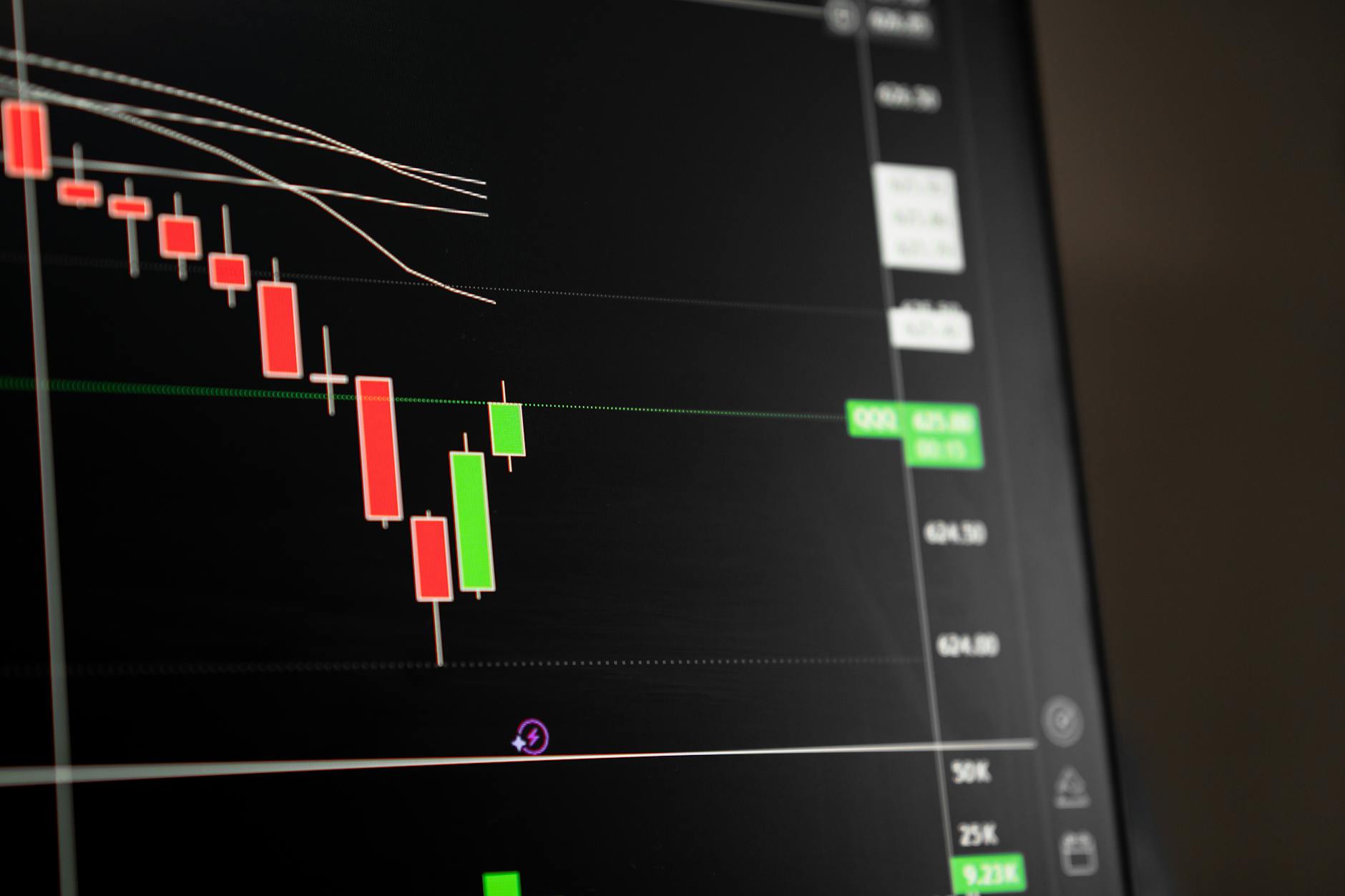
Day trading software serves as the backbone for traders aiming to execute multiple trades within a single trading session. These platforms facilitate rapid order execution, provide real-time market data, and include analytical tools critical for making informed decisions. The efficiency of a trading platform can significantly influence profitability, underscoring the importance of reliable, feature-rich software that aligns with a trader’s strategy and market conditions.
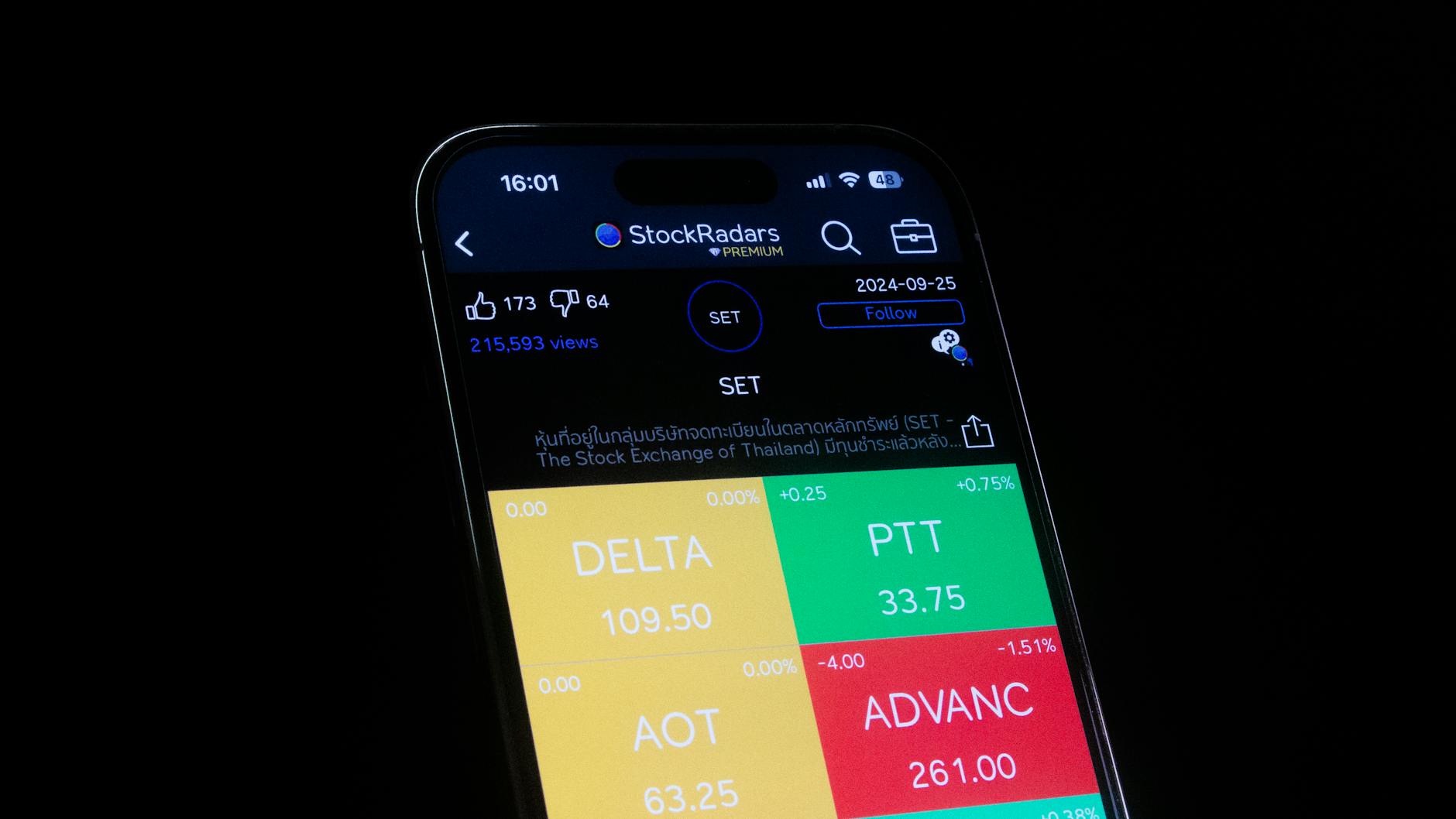
Professionals depend on these platforms for comprehensive charting, technical analysis, and automated order execution. The ability to customize views and set predefined trading parameters often distinguishes high-performance software from less capable alternatives. As market volatility increases, the importance of advanced analytics and swift trade execution becomes even more critical, making the choice of trading software a decisive factor for success.
Types of Day Trading Software Platforms
Market participants can select from several platform types, each designed to cater to specific trading styles and needs:
- Web-Based Platforms: Accessible from any device with an internet connection, these platforms offer convenience and ease of access. They typically have intuitive interfaces suitable for beginners and casual traders.
- Desktop Applications: Installed directly on a computer, these platforms usually provide superior processing power, advanced analytical tools, and customization options. They are preferred by professional traders who require high performance and depth of functionality.
- Mobile Trading Apps: Designed for trading on the go, these apps ensure traders stay connected to markets via smartphones or tablets. They feature core functionalities like order placement, alerts, and real-time data, optimized for smaller screens.

Key Features of Effective Day Trading Software
Reliable trading software integrates core functionalities with user-centric design principles. These features are instrumental in creating an environment conducive to swift, strategic decision-making:
Real-Time Data Access
Accurate and timely data feeds allow traders to respond quickly to market movements. Platforms that provide direct access to streaming quotes, bid-ask spreads, and depth of market (DOM) ensure traders are equipped with the information necessary for precise entries and exits.
Advanced Charting and Technical Analysis Tools
Robust charting capabilities enable traders to identify trends and patterns essential for technical analysis. Features such as customizable indicators, drawing tools, and multiple timeframes facilitate comprehensive market analysis.
Automated Trading and Algorithms
Automation features such as algorithmic trading and preset order conditions reduce the need for manual input, allowing traders to execute complex strategies with minimal delay. These features enhance efficiency, especially during volatile periods.
Order Management and Execution Speed
Fast and reliable order execution reduces slippage and ensures trades are executed at desired prices. Effective order management tools include one-click trading, trailing stops, and order presets, facilitating quick response to market dynamics.
Customization and User Interface
Intuitive interfaces with customizable layouts help traders optimize their workspace. Easy navigation between market scanners, chart windows, and trade panels minimizes operational errors and accelerates decision-making processes.
Security and Data Encryption
Secure platforms leverage encryption, multi-factor authentication, and regular system audits to protect sensitive trading data from cyber threats. These measures foster trust and safeguard traders’ investments.
High-quality trading software also offers seamless integration with analytical tools, news feeds, and third-party data providers. This connectivity offers a comprehensive picture of the market, enabling traders to develop informed strategies based on a wide array of data sources.

Enhanced Data Security and Reliability in Trading Platforms
Optimized day trading software prioritizes robust security protocols to protect sensitive financial information and trading activity. Platforms utilizing advanced encryption standards, multi-factor authentication, and regular security audits help mitigate risks associated with cyber threats and unauthorized access. Such measures ensure that traders can focus on executing their strategies with confidence, knowing their data and assets are safeguarded against breaches.
Reliability extends beyond security to include system uptime and stability. Leading platforms maintain high server uptime, employ load balancing techniques, and conduct routine maintenance to prevent downtime during critical trading moments. Ensuring uninterrupted access allows traders to respond swiftly to market movements without the risk of platform failure disrupting their operations.

Advanced Order Management and Trade Execution Features
Effective day trading software offers a suite of order management tools designed to execute trades with precision and speed. Features such as one-click trading enable traders to place orders rapidly in response to market signals, minimizing latency and maximizing execution efficiency. Trailing stops and advanced order presets provide additional flexibility, allowing traders to automate exit strategies based on market conditions.
Fast execution speeds are crucial in volatile markets where milliseconds can influence profitability. Sophisticated software leverages direct market access and optimized routing algorithms to ensure that orders are filled at the best possible prices. This minimizes slippage and ensures that traders can capitalize on opportunities without delay.
Customization and User Experience Enhancements
Customization options in day trading software empower traders to tailor their workspace according to personal preferences. Adjustable layouts, customizable hotkeys, and personalized alerts support a streamlined workflow, enabling traders to focus on critical data and trading signals. An intuitive and user-friendly interface reduces operational errors and accelerates decision-making, which is vital during fast-moving markets.
Furthermore, the integration of advanced charting tools, real-time data feeds, and analytical widgets provides traders with comprehensive market insights. These features facilitate informed trading decisions and help traders fine-tune their strategies based on evolving market conditions.

Seamless Connectivity and Data Integration
An essential aspect of effective day trading software is its ability to connect seamlessly with various analytical tools and external data sources. Integration with news feeds, economic calendars, and third-party analytics extends the platform's informational capacity, enabling traders to incorporate real-time news and macroeconomic data into their strategies.
Such connectivity ensures that traders have a holistic view of the market environment, facilitating rapid response to breaking news or market shifts. APIs and data pipeline options allow for customized integrations, helping traders set up personalized workflows that align with their trading style and objectives.
Real-Time Monitoring and Alert Systems
Continuous market monitoring is crucial for successful day trading. Advanced platforms support real-time alerts based on price movements, indicator signals, or news events. Traders can configure alerts for specific conditions, ensuring they are promptly notified of potential trade opportunities or risk management triggers.
This proactive approach helps traders maintain situational awareness, reducing the chance of missing critical market developments. Automated notifications coupled with rapid execution capabilities form a comprehensive framework for maintaining competitive edge during dynamic trading sessions.
Integration of Advanced Analytical Tools and Data Feeds
Modern day trading software increasingly emphasizes the importance of comprehensive data integration. By embedding advanced analytical capabilities, traders can access a broad spectrum of information, including live market data, economic indicators, and breaking news. This integration is essential for forming well-informed trading decisions amid rapid market fluctuations. Platforms capable of connecting with various data sources via Application Programming Interfaces (APIs) enable traders to tailor their workflow. Whether it is integrating economic calendars or third-party analytics, these features allow for a customized and efficient trading environment. Traders can incorporate macroeconomic trends, sentiment analysis, and technical indicators into their strategies seamlessly, ensuring a cumulative understanding of market drivers. Visual dashboards offer real-time updates, delivering a holistic view of current market conditions and potential trade setups. Such capabilities enable traders to react swiftly to market movements and news, minimizing delays that could impact profitability.

Automated Monitoring and Alert Systems
A key element of effective day trading software is its ability to monitor markets continuously and alert traders to significant events. Advanced alert systems can be configured to notify traders based on specific criteria such as price thresholds, indicator crossovers, or news releases. These automated alerts help maintain alertness and timely response, which are critical in the fast-paced environment of day trading. Such systems often support multi-channel notifications, including pop-up alerts within the platform, email, or SMS, ensuring traders are kept informed regardless of their physical location. Integration of these alerts with automated execution mechanisms allows for swift trade initiation or exit, particularly when predefined conditions are met. The combination of real-time monitoring and instant alerts significantly enhances a trader’s ability to capitalize on fleeting market opportunities while managing risks proactively.
Enhanced User Interface and Customization
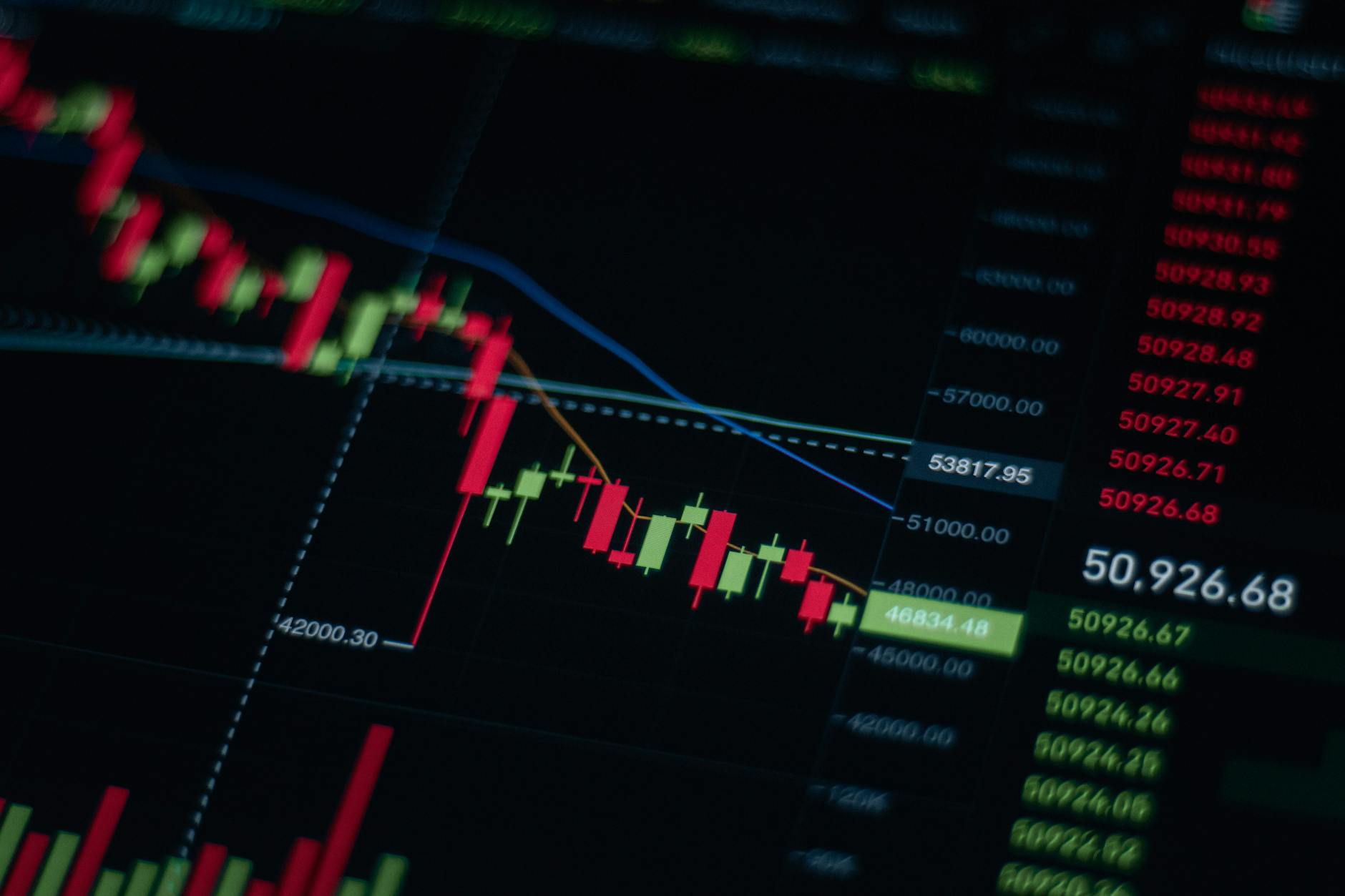
Effective day trading software prioritizes a user-friendly interface that supports customization to suit individual strategies. Advanced dashboards present crucial information clearly and concisely, while customization options allow traders to prioritize specific data points or technical indicators. Features such as drag-and-drop widgets, customizable hotkeys, and flexible charting tools enable traders to create an environment tailored to their workflow. Such flexibility minimizes operational complexity, allowing traders to focus on analysis and execution rather than platform navigation. Moreover, personalization extends to automation settings, where traders can establish specific trading rules, alerts, and risk parameters. These tailored features facilitate a highly responsive trading platform that adapts to the evolving needs of each trader.
Risk Management and Trading Software
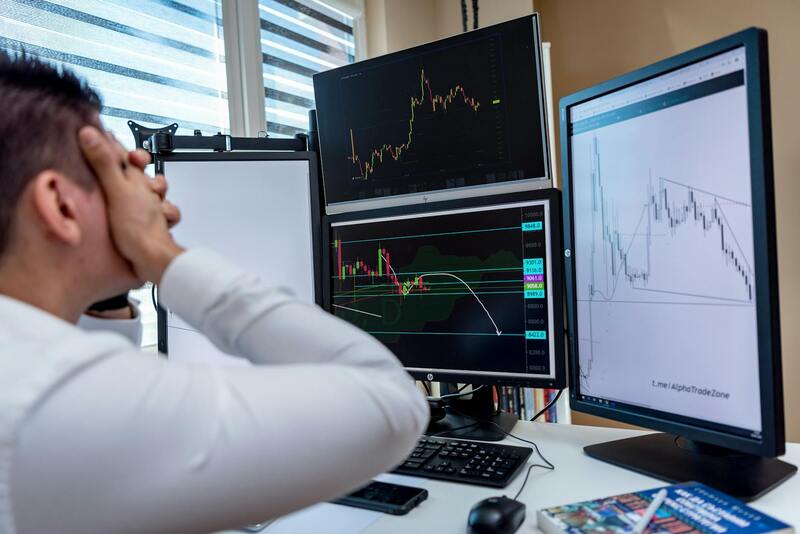
Effective risk management is a cornerstone of successful day trading, and robust trading software plays a crucial role in this regard. Advanced platforms incorporate comprehensive risk mitigation tools that enable traders to define maximum loss thresholds, set stop-loss and take-profit orders, and implement trailing stops to lock in gains or limit losses dynamically. These features serve as automated safeguards, ensuring traders can maintain discipline even in high-pressure situations or during rapid market movements.
Furthermore, sophisticated risk management modules provide detailed analytics on individual and overall portfolio performance, allowing traders to evaluate their exposure and adjust their strategies accordingly. Real-time stress testing features can simulate potential outcomes based on current positions, helping to avoid over-leveraging or risky trades that could jeopardize their capital.
Another vital aspect is the integration of position sizing tools that assist traders in determining optimal trade sizes relative to their account balance and risk appetite. This capability minimizes the likelihood of disproportionate losses and promotes consistent trading practices.

Prop Firm and Proprietary Trading Software
Proprietary trading firms, or prop firms, require specialized software solutions that facilitate large-volume trading and compliance with specific trading protocols. These platforms are designed to support the unique demands of prop trading, including access to leverage, capital allocation, and risk controls tailored for institutional-style trading.
Typically, prop firm software integrates seamlessly with multiple brokerage accounts, allowing traders to operate across various markets and asset classes efficiently. Automated instruments within these platforms enable compliance with firm-established rules, such as maximum position sizes and trading hours, while providing supervisors with oversight capabilities for monitoring activity and performance.
Moreover, these platforms often feature collaborative tools, enabling traders and managers to share insights, strategies, and risk assessments in real-time. This collaborative environment fosters better decision-making and maximizes the profitability of strategic trades.
Choosing the Right Day Trading Software
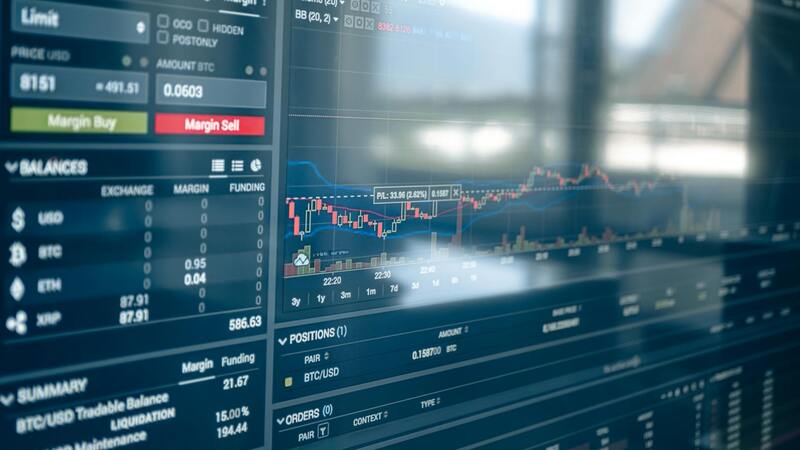
Selecting an appropriate trading platform requires careful consideration of several key factors to ensure it aligns with your trading objectives and experience. Skilled traders may prefer platforms with advanced analytical tools, extensive customization options, and high reliability, while beginners should prioritize user-friendliness and comprehensive support resources.
- Compatibility: Ensure the software seamlessly integrates with your preferred operating system and brokerage accounts.
- Features: Identify must-have features such as real-time data feeds, advanced charting, automation capabilities, and risk management tools.
- Cost: Evaluate the pricing structure—whether subscription-based, one-time purchase, or commission-based—while considering the platform's value proposition.
- Customer Support: Opt for platforms that offer reliable technical support, educational resources, and user communities.
- Security: Confirm the robustness of data protection measures, including encryption and secure login protocols.
Matching your trading style and technical requirements with the platform's capabilities ensures maximum efficiency and confidence during trading sessions. Regular updates, ongoing development, and a responsive support team also significantly contribute to a smooth trading experience.

Choosing the Right Day Trading Software
Selecting an appropriate day trading software is critical for optimizing trading efficiency, managing risks, and achieving sustained profitability. The best platform should align with your trading style, technical proficiency, and specific operational needs. Tailoring your choice involves a comprehensive assessment of various factors to ensure the software supports your strategic objectives effectively.
Compatibility and Integration
Start by evaluating whether the platform seamlessly integrates with your preferred operating system, whether Windows, macOS, or mobile devices. Compatibility also extends to your brokerage accounts; the software must connect effortlessly to your trading accounts through secure API connections or proprietary links. This integration ensures real-time data flows and instant order execution, minimizing latency issues that can impact trade outcomes.
Feature Set and Analytical Tools
The scope of features a platform offers can significantly influence trading performance. Essential tools include real-time data feeds, customizable charting options, technical analysis indicators, and automated trading capabilities. Advanced traders may seek platforms with algorithmic trading, scripting functionalities, backtesting modules, and multi-monitor support. Beginners, however, might prioritize intuitive interfaces, educational resources, and straightforward order execution processes.
Cost and Pricing Structure
Understanding the platform's pricing model is vital. Some day trading software operates on subscription-based models, providing regular updates and customer support. Others may require a one-time purchase or charge a commission per trade. Evaluate the platform's overall value by considering the features included, ongoing support, and potential for scalability as your trading needs evolve.
Customer Support and Educational Resources
Reliable technical support and comprehensive educational materials enhance user confidence, especially for those new to day trading. Platforms that offer live chat, dedicated account managers, tutorial videos, webinars, and active user communities can significantly improve the overall trading experience. Prompt assistance with technical issues reduces downtime and allows traders to focus on market opportunities.
Security and Data Protection
Security measures are paramount when dealing with real-time financial data and executing trades. Ensure your chosen platform employs robust encryption protocols, secure login procedures, and complies with industry standards for data protection. A reputation for secure transactions helps maintain integrity and safeguard your trading capital and personal information.
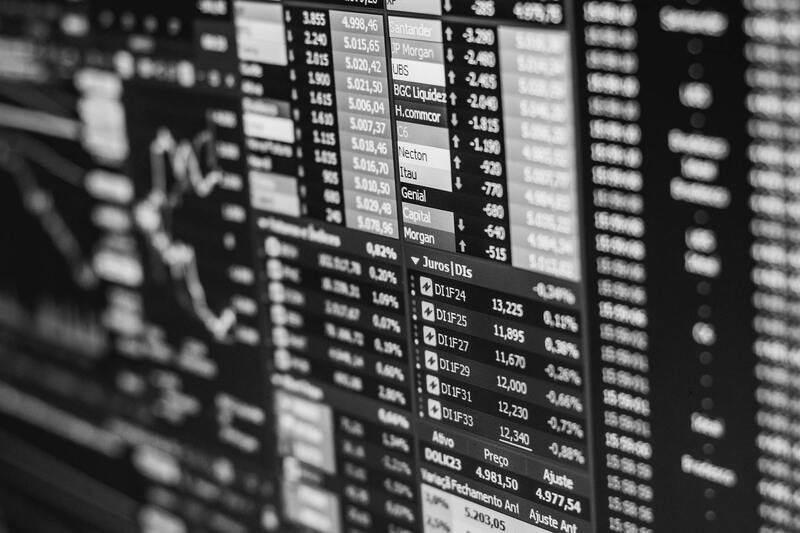
Regular software updates and a proactive support team are indicators of a platform committed to continuous improvement. They ensure compatibility with evolving market technologies and enhance system stability, giving traders peace of mind during fast-paced trading sessions.
Adapting to Your Trading Style
Ultimately, the right day trading software adapts to your specific trading framework. Whether you prefer scalping, intra-day momentum trading, or technical swing strategies, the platform must support your approach with tailored tools and customizable parameters. As your experience grows, the software should also evolve to include additional features or automation capabilities.
Choosing a platform that offers flexibility, scalability, and ongoing updates positions you for long-term success in the dynamic environment of day trading.
