

Overview of Online Trading Software
Online trading software has become an integral component of the modern financial landscape, enabling traders and investors to execute transactions, monitor markets, and manage their portfolios efficiently through digital platforms. These software solutions serve as the central hub for accessing a wide array of financial instruments, including stocks, forex, commodities, and cryptocurrencies, offering users the ability to participate in global markets from any location with internet access.
At its core, online trading software simplifies complex trading procedures, providing real-time data, analytical tools, and automated functionalities to enhance decision-making processes. The proliferation of advanced technologies has transformed traditional trading practices, shifting towards more transparent, accessible, and data-driven approaches. This technology not only supports individual traders but also caters to institutional investors by offering scalable, secure, and sophisticated trading environments.
Platforms vary significantly in their features, complexity, and usability, shaped by factors such as target audience, asset class specialization, and compliance requirements. While some cater to experienced professionals with extensive analytical tools, others focus on straightforward interfaces suitable for beginners. Regardless of their target demographic, reputable online trading software emphasizes speed, reliability, and security, ensuring that transactions are executed accurately and swiftly in response to market movements.

As trading activities expand across various platforms—from desktop applications to mobile applications—these systems are designed to accommodate diverse user preferences. Their core purpose is to streamline the trading process, facilitate effective risk management, and support strategic investment decisions through an array of features that are continually evolving to meet industry standards and regulatory expectations.
Types of Trading Platforms
Online trading software can be broadly categorized into several types based on their functional complexity and user interface:
- Web-Based Platforms: Accessible via browsers without the need for software installation, these platforms offer convenience and ease of access across different devices.
- Desktop Applications: Installed directly on a user's computer, providing faster processing speeds and more extensive customization options, often preferred by professional traders.
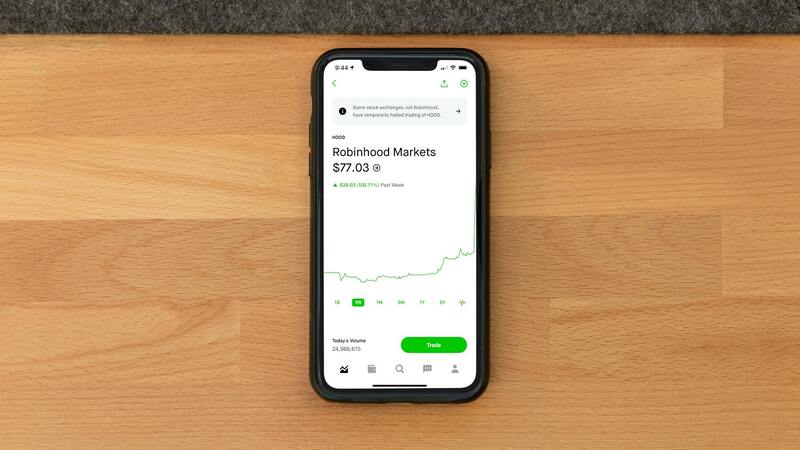
- Mobile Apps: Designed for smartphones and tablets, allowing traders to monitor markets and execute trades on the go, emphasizing intuitive design and notifications.
Key Features of Trading Software
High-quality online trading software typically includes features such as:
- Real-time Market Data and Quotes
- Advanced Charting and Technical Analysis Tools
- Order Types and Automated Trading Options
- Portfolio Management and Performance Tracking
- Customizable User Interface
- Multilingual Support
Trading and Risk Management Tools
Effective trading software incorporates tools to help manage risks and optimize trading strategies:
- Stop-Loss and Take-Profit Orders
- Margin and Leverage Controls
- Position Sizing Calculators
- Historical Data Analysis
AI and Algorithmic Trading Software
Automated trading solutions powered by artificial intelligence (AI) and algorithms are increasingly prevalent, offering capabilities such as pattern recognition, predictive analytics, and execution optimization. These tools allow traders to implement complex strategies that react to market conditions faster and more accurately than manual trading alone.
Security and Compliance in Trading Software
Security protocols such as encryption, two-factor authentication, and rigorous data management are essential to safeguarding trading activities. Software designed for trading also adheres to regulatory standards, ensuring transparency and accountability in transactions.
Choosing the Right Trading Software
Selecting an appropriate platform requires considering factors like asset focus, user experience, support services, and security features. Demonstrations, trial periods, and user reviews can aid in evaluating tools before making an investment.
Future Trends in Online Trading Software
Emerging trends include the integration of more sophisticated AI capabilities, increased personalization, and enhanced data analytics. The evolution of trading software aims to provide smarter, faster, and more intuitive tools designed to meet the dynamic nature of financial markets.
Types of Trading Platforms
Trading platforms come in various formats tailored to meet different trading needs and strategies. Understanding these types is crucial for selecting software that best aligns with individual or institutional trading objectives. Among the most prevalent are proprietary trading systems, web-based platforms, and mobile applications, each offering distinct advantages and functionalities.

Proprietary Trading Systems
Proprietary or 'prop' trading platforms are often developed and maintained by trading firms to facilitate their unique trading strategies and allow for deep customization. These systems are typically equipped with advanced analytics, order management capabilities, and sophisticated risk controls. They often include algorithmic trading functionalities, enabling traders within the firm to execute complex algorithms seamlessly. As these platforms are tailored to institutional needs, they provide high-speed execution, extensive data integration, and robust security protocols.
Web-based Trading Platforms
Accessible via standard web browsers, these platforms offer flexibility and ease of use, making them popular among retail traders. They require no installation and can be accessed from any device with an internet connection. Modern web-based platforms feature comprehensive charting tools, real-time market data, and interactive analysis options. Their cloud-based nature ensures automatic updates, reliability, and compatibility across devices, providing traders with immediate access to markets without the need for significant hardware investments.
Mobile Trading Applications
Designed for on-the-go trading, mobile apps provide streamlined interfaces optimized for smartphones and tablets. These applications enable traders to monitor markets, execute orders, and manage their portfolios anywhere, anytime. Advanced mobile trading platforms incorporate push notifications for price alerts, biometric security features, and full access to analytical tools to support quick decision-making in fast-moving markets. They are particularly favored by active traders who value flexibility and immediacy in their trading operations.
Specialized Platforms for Day Trading
Day traders require platforms that deliver ultra-fast execution speeds, advanced charting, and granular order management capabilities. These platforms often support customizable hotkeys, Level II market data, and real-time news feeds, crucial for short-term trading strategies. They are optimized to handle high-volatility environments, enabling traders to act swiftly and efficiently.
Choosing an appropriate trading platform depends heavily on trading style, asset focus, and technical requirements. Evaluating the platform’s speed, ease of use, customization options, and integration capabilities is essential for building a reliable trading environment.
Image Placeholder for Trading Platforms

Integrating Trading Software with Prop Firm Operations
For proprietary trading firms, selecting compatible software is vital for optimizing performance and ensuring compliance. Proprietary software often integrates seamlessly with firm-specific risk management tools, accounting systems, and market data feeds. This integration allows for real-time oversight of trading activities, assists in maintaining strict risk parameters, and enhances overall operational efficiency.
Utilizing secure APIs, firms can connect their trading platforms with external data providers and analytical tools, enabling a unified trading environment. These integrations facilitate rapid data exchange, streamlined order execution, and comprehensive reporting — all critical components for maintaining competitive advantage in the fast-paced world of proprietary trading.
Image Placeholder for Software Integration
Overview of Online Trading Software
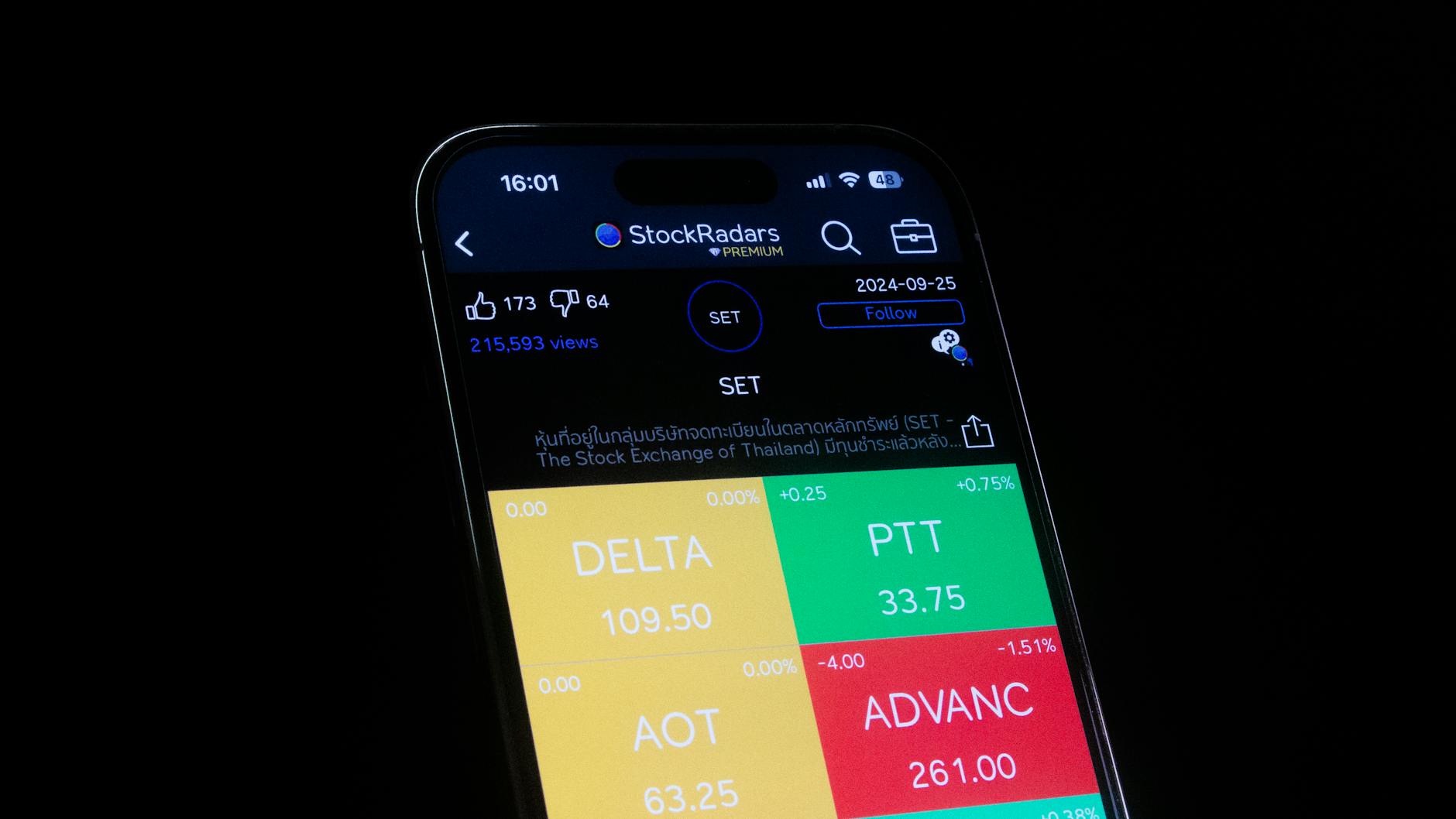
Online trading software serves as the fundamental interface through which traders access financial markets, execute orders, and manage their portfolios. These platforms have evolved significantly from simple web-based tools to sophisticated environments equipped with advanced analytical capabilities and automation features. They are designed to provide real-time market data, efficient order execution, and comprehensive risk management tools, ensuring traders can make informed decisions swiftly. The adoption of reliable trading software enhances operational efficiency, reduces manual errors, and supports rapid response to market fluctuations.

Types of Trading Platforms
Different trading environments cater to diverse trading styles and asset classes. Selecting an appropriate platform largely depends on the trader’s specific needs, asset focus, and technical preferences. Here are some common types of trading platforms:
- Web-Based Platforms: Accessible through web browsers, these platforms do not require installation and offer flexibility for traders working across multiple devices. They are suitable for casual traders or those who prioritize convenience over extensive customization.
- Desktop Platforms: Installed directly on personal computers, these platforms typically offer a richer set of features, including advanced charting tools, customization options, and faster execution speeds. They are favored by professional traders seeking a robust trading environment.
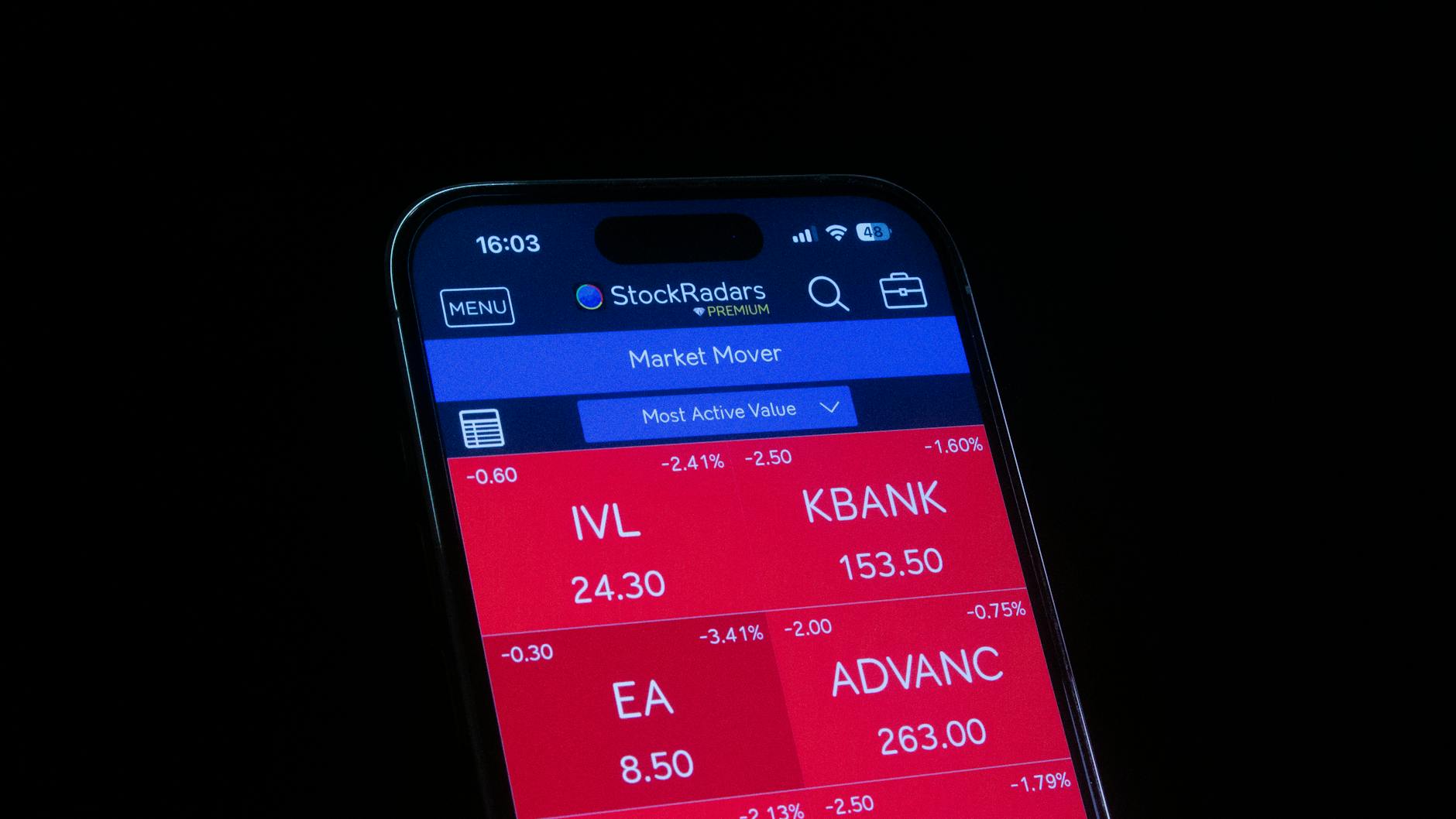
- Mobile Trading Apps: Designed for smartphones and tablets, these applications allow traders to monitor markets, execute trades, and manage accounts on-the-go. Mobile platforms emphasize user-friendly interfaces and quick access to essential features, making them ideal for active traders and those who need real-time updates anywhere.
- Algorithmic and API-Driven Platforms: These platforms facilitate automated trading strategies by integrating with custom algorithms via Application Programming Interfaces (APIs). They support complex trade automation and are often used by quantitative traders and prop firms managing high-frequency trading activities.
Integrating Trading Software with Prop Firm Operations
Proprietary trading firms rely heavily on compatible and efficient trading software to optimize performance and maintain rigorous control over trading activities. Integration of trading platforms with firm-specific tools is essential for real-time data analysis, risk management, and seamless execution.
Many firms leverage secure Application Programming Interfaces (APIs) to connect their trading environments with market data feeds, analytical software, and internal risk management systems. This interconnected setup allows for rapid data flow and order execution, enabling traders to react swiftly to market movements while adhering to predefined risk parameters.
Furthermore, integration supports comprehensive reporting and auditing capabilities, vital for compliance, performance monitoring, and strategic adjustments. By ensuring that all operational tools work cohesively within a unified system, prop firms can maintain a competitive advantage and optimize their trading workflows.

Advanced Features and Tools in Online Trading Software
Modern online trading software offers an array of sophisticated features designed to enhance trading efficiency, accuracy, and security. These advanced functionalities empower traders and firms to execute strategies with precision while maintaining control over market exposures. A detailed understanding of these tools enables traders to leverage technology effectively and optimize their trading operations.
Risk Management and Automated Trading Capabilities
Among the most critical components of online trading platforms are robust risk management tools. These functionalities include real-time risk assessment modules, customizable stop-loss and take-profit orders, and automatic position adjustments based on market conditions. Automated trading strategies, often deployed through algorithmic systems, enable traders to implement complex trading rules without constant manual intervention. This not only reduces emotional biases but also ensures that trades are executed swiftly according to predefined criteria.
For high-frequency traders and institutional firms, integration with APIs allows for high-speed order execution and data processing. These capabilities facilitate reactive trading, where milliseconds can determine profit or loss. Portfolio management tools within trading software assist users in monitoring performance, diversifying holdings, and implementing hedging strategies to control overall risk exposure.

AI-Driven Trading and Quantitative Analysis
Artificial Intelligence (AI) and machine learning algorithms are becoming integral in contemporary trading software. These technologies analyze vast datasets to uncover market patterns, predict price movements, and generate trading signals. Quantitative models are used to develop rule-based strategies that adapt dynamically to changing market environments. Traders using AI-driven systems benefit from improved accuracy and the ability to backtest strategies extensively before deployment.
Security and Data Integrity in Trading Systems
Security remains paramount in online trading environments. Secure login protocols, multi-factor authentication, and encrypted data transmission safeguard sensitive financial information. Compliance with industry standards ensures that trading activities are traceable and that client data remains confidential. Regular audits and security updates are critical to maintain system integrity and prevent unauthorized access or data breaches.
Summary of Software Functionalities for Effective Trading
- Real-time market data analysis
- Configurable risk controls and stop mechanisms
- Algorithmic and AI-based trading strategies
- Seamless API integration for high-speed order execution
- Portfolio and performance monitoring tools
- Secure authentication and data encryption
- Comprehensive compliance and audit features

AI and Algorithmic Trading Software
Advanced Decision-Making and Automation
Artificial intelligence (AI) and algorithm-based tools have become central to modern online trading platforms, providing traders with sophisticated methods to optimize decision-making processes. These systems leverage complex algorithms that analyze market data, pattern recognition, and predictive analytics to identify trading opportunities with high precision. By automating routine trades based on predefined criteria, traders can execute strategies swiftly without manual intervention, minimizing emotional biases and human error.
Algorithmic trading software often incorporates machine learning models that continuously learn from new data, refining their predictive capabilities over time. This dynamic adaptation enhances the ability to respond to volatile market conditions, enabling traders to capitalize on fleeting opportunities while managing exposure effectively.
Integration and Customization Capabilities
Modern trading software provides seamless integration with various financial data providers, brokers, and exchanges, facilitating high-frequency trade execution. Moreover, customizable algorithm parameters allow traders to tailor strategies to their risk appetite and market outlook, ensuring alignment with specific investment goals.

Automation and Backtesting
One of the key advantages of AI and algorithmic platforms is the extensive backtesting functionality. Traders can simulate strategies against historical market data, assessing potential performance before deploying real capital. This process helps to refine algorithms, identify weaknesses, and optimize parameters, leading to more robust trading approaches.
Automation not only accelerates trade execution but also ensures consistency by adhering to predefined rules regardless of market sentiment or psychological influences. Combined with comprehensive risk controls and real-time monitoring tools, AI-driven software provides a resilient framework for systematic trading.
Example Features of AI-Integrated Trading Platforms
- Real-time market data analysis powered by AI models
- Automated order placement based on algorithmic signals
- Advanced pattern recognition for trend identification
- Custom indicator development and testing
- Risk management modules with adaptive stop-loss mechanisms
Enhanced Security and Regulatory Features in Trading Software
Modern online trading software prioritizes robust security protocols to protect sensitive financial data and ensure uninterrupted market access. Utilization of advanced encryption standards safeguards user credentials, transaction information, and real-time market data against unauthorized access and cyber threats. Multi-factor authentication (MFA) provides an additional layer of security, verifying user identity through multiple verification steps before granting access to trading accounts.
Furthermore, comprehensive security measures include intrusion detection systems and regular vulnerability assessments. These proactive strategies help identify potential threats early, ensuring that trading environments remain resilient against emerging cyber risks. Secure data transmission channels, such as SSL (Secure Sockets Layer), encrypt all communications between the trader’s device and the platform servers, maintaining confidentiality and data integrity.
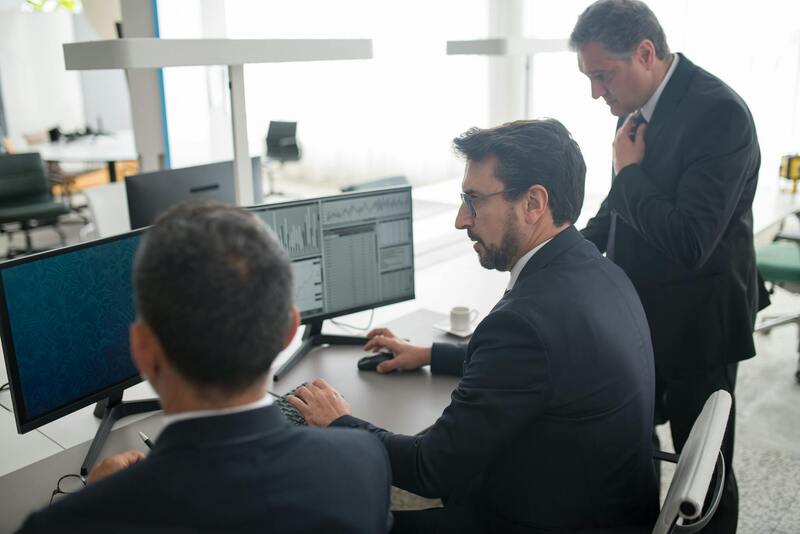
Regulatory compliance is equally vital in online trading environments. Platforms are designed to adhere to regional and international standards, facilitating transparency and fair trading practices. Built-in features such as audit trails, transaction reporting, and compliance dashboards assist traders and administrators in maintaining adherence to applicable regulations. Automated demonstrations of compliance procedures help mitigate risks related to market abuse, money laundering, and other financial crimes, enhancing overall market confidence.
Key Elements for Selecting Suitable Trading Software
- Reliability and Uptime: Platforms should guarantee minimal downtime, particularly during peak trading hours, to ensure constant market access.
- User Interface and Usability: Intuitive navigation and clear display of information reduce operational errors and increase efficiency for traders at all experience levels.
- Customization and Flexibility: The ability to tailor dashboards, indicators, and trading strategies according to individual preferences is crucial for optimizing trading workflows.
- Integration Capabilities: Compatibility with various data providers, brokers, and analytical tools facilitates seamless workflows and data management.
- Customer Support and Training: Access to comprehensive support services, including tutorials, webinars, and technical assistance, enhances user confidence and proficiency.
Additional Considerations for Traders
When evaluating online trading software, traders should also consider platform scalability to handle increasing portfolio sizes and trading volumes. Compatibility across devices—desktop, tablet, or mobile—is equally important in today's fast-paced markets. Furthermore, platforms should offer extensive backtesting, simulation environments, and real-time analytics to support decision-making and strategic adjustments.
Security and Compliance in Trading Software
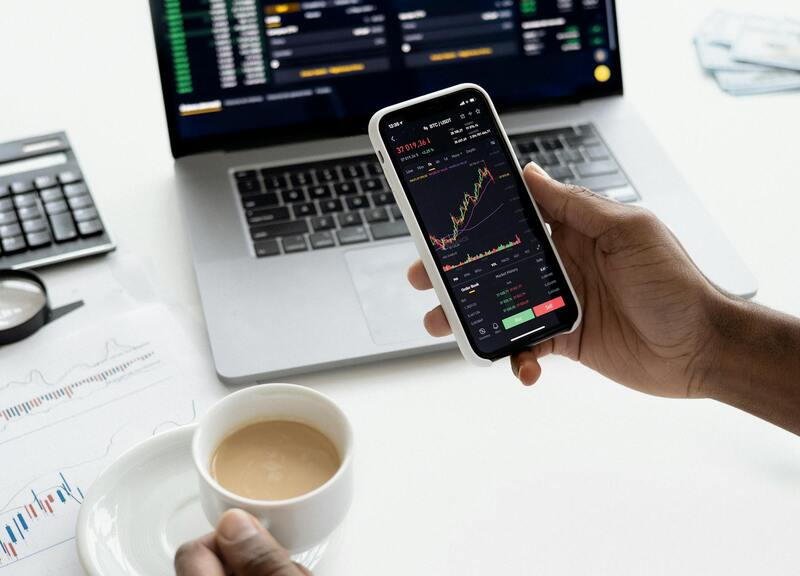
Ensuring security and compliance is fundamental when utilizing online trading software. Top-tier platforms incorporate multiple layers of security protocols designed to protect sensitive financial data and transaction details from unauthorized access. These protocols often include advanced encryption standards, secure socket layer (SSL) communications, and multi-factor authentication methods to verify user identities.
Data integrity and confidentiality are maintained through continuous system monitoring and regular security audits. These measures help detect vulnerabilities proactively and ensure the platform adheres to industry best practices. Additionally, robust firewalls and intrusion detection systems form the backbone of platform defenses against external threats.
In terms of compliance, traders should opt for platforms that comply with relevant regulations and standards established by financial oversight authorities. This compliance often involves real-time transaction monitoring, anti-money laundering (AML) protocols, and strict data privacy policies. Platforms adhering to these standards not only foster transparency but also uphold the integrity of the trading environment.
Regular updates and patches are vital to address emerging security vulnerabilities. Market-leading trading software providers commit to ongoing security enhancements, ensuring their systems remain resilient against evolving cyber threats. Furthermore, comprehensive audit logs and activity histories help facilitate transparency and accountability, especially during dispute resolution or regulatory reviews.
Patient Data Management and Privacy Considerations
Handling user data with the utmost care is critical, particularly as trading platforms process large volumes of personal and financial information. Effective data management practices include encrypted storage solutions and secure transmission channels, ensuring user details remain confidential throughout their trading journey.
Trading software providers often conduct regular security awareness training for their staff and users to minimize risks associated with human error. Transparency about data collection, storage, and usage policies assures users of the platform’s commitment to privacy and responsible data handling.
To meet sector standards and enhance user trust, trading platforms may pursue certifications such as ISO 27001 or similar data security certifications, which demonstrate a rigorous commitment to information security management systems. These credentials serve as a reliable indicator of a platform’s dedication to safeguarding user information.
Implementing comprehensive user access controls, including role-based permissions, further enhances security. This prevents unauthorized access to sensitive trading data or administrative features, ensuring only verified personnel can perform critical actions. Continuous security education for traders and staff plays an essential role in maintaining a safe trading environment.
Ensuring Proper Use of Online Trading Software
For traders aiming to leverage online trading software efficiently and safely, it is imperative to adhere to authorized methods of access and operation. Proper use involves understanding and utilizing the software within the framework provided by licensed providers, ensuring all account activities are transparent and traceable. This not only supports smooth trading operations but also reinforces the integrity of the trading environment.
One key aspect of correct usage is maintaining the confidentiality of login credentials. Using strong, unique passwords and enabling multi-factor authentication significantly reduces the risk of unauthorized access. Traders should also routinely update their credentials and avoid sharing login information, safeguarding their accounts against potential breaches.

Another critical component is ensuring the software is used on legitimate platforms that have been obtained directly from official sources or authorized distribution channels. This guarantees access to the latest updates, security patches, and technical support, which are vital for maintaining operational stability and security. Downloading or installing trading software from unofficial or third-party sites poses risks, including exposure to malicious software or functionalities that could compromise trading activities.
Users should always verify the authenticity of the software and the platform. This can typically be confirmed through official developer websites or authorized app stores. Confirming the platform’s digital signatures and checking for certifications or warranties offered by the provider adds an extra layer of assurance about the software’s legitimacy.
Employing legitimate trading software also involves following prescribed operational procedures. Traders should familiarize themselves with the platform’s manuals, tutorials, or training resources provided by the vendor. This ensures correct setup, configuration, and utilization of all features, minimizing errors and optimizing trading efficiency.
In addition to operational adherence, it’s essential to stay updated with the latest software versions. Developers often release updates that fix bugs, enhance features, or improve security. Regularly installing these updates, ideally automatically, ensures the trading environment remains robust and resilient against emerging threats or technical glitches.
Implementing Secure and Verified Transactions
Executing transactions through verified channels guarantees the integrity of each trade. When placing orders, traders should use authenticated interfaces and confirm transaction details before finalizing. This process helps prevent mistakes or unauthorized modifications to trades.
Utilizing multi-factor authentication during each login session can further verify user identity, offering an extra layer of security for sensitive operations like fund transfers or position modifications.
Monitoring and Auditing Trading Activities
Keeping detailed records of trading activities facilitates transparency and accountability. Most reputable platforms feature audit logs that document all user actions, including login times, transaction histories, and system changes. Regular review of these logs can help identify irregularities or suspicious activities promptly, supporting responsible trading practices.
Additionally, many providers offer integration with external compliance systems for detailed reporting and analysis, helping traders maintain consistency with operational standards and internal policies.
Maintaining Ethical and Responsible Trading Practices
Using online trading software responsibly involves adhering to best practices that promote market stability and transparency. Traders should avoid manipulative activities, such as quote stuffing or spoofing, which distort market prices. Staying informed about regulatory requirements and industry standards is crucial for maintaining ethical conduct and avoiding conflicts or disputes.
Proper training and continual education on the use of trading software, combined with vigilant monitoring of platform activity, foster a trustworthy trading environment where all participants can operate confidently and securely.
