

Overview of Trading Software Platforms
Trading software platforms serve as essential tools that facilitate online trading across diverse financial markets. These platforms provide traders with the necessary infrastructure to execute trades, analyze data, and monitor market movements in real-time. Their function extends beyond simple transaction execution; they enable traders to develop and implement complex trading strategies, manage risk effectively, and access vital market insights. For proprietary trading firms, the reliability and efficiency of these platforms significantly influence trading outcomes and overall operational success.
At their core, trading software platforms are designed to enhance the trading experience by integrating advanced technological features, user-friendly interfaces, and robust security measures. They support a wide array of asset classes, including equities, Forex, commodities, and cryptocurrencies, offering traders a comprehensive environment to operate within. As markets evolve rapidly, the importance of sophisticated trading software becomes increasingly evident, providing traders and firms with a competitive edge through faster execution, refined analysis tools, and customized trading workflows.
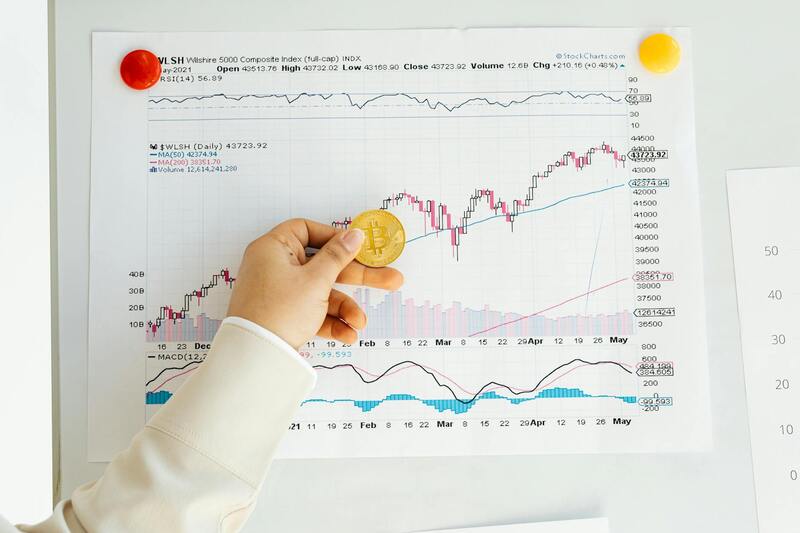
For traders and prop firms, choosing the right trading software platform is a decision that influences trading efficiency, risk control, and overall profitability. Platforms that offer high reliability, customizable features, and seamless integration with other tools are highly valued in the trading community. As technology advances, these platforms continue to evolve, integrating new functionalities designed to meet the complex demands of the modern trading environment.
Types of Trading Software Platforms
There are several primary types of trading software platforms tailored to meet varying trader requirements:
- Web-Based Platforms: Accessible through browsers without needing installation, ideal for traders seeking quick access from multiple devices.
- Desktop Platforms: Installed locally on a computer, offering advanced features, greater customization, and higher performance.
- Mobile Platforms: Designed for smartphones and tablets, enabling traders to monitor markets and execute trades on-the-go.
Each type provides unique advantages suited to different trading styles and operational needs, with many platforms supporting multiple device access for flexibility.
Additional Considerations
When selecting a trading software platform, traders should evaluate factors such as system stability, speed, user interface intuition, and the breadth of analytical tools available. The capability to customize the environment aligns with individual trading strategies, ensuring efficient trade execution and effective market analysis.
Types of Trading Software Platforms
Day Trading Platforms
Designed to cater to traders engaging in short-term market movements, day trading platforms prioritize speed, real-time data accuracy, and advanced charting tools. They typically feature ultra-fast execution capabilities to capitalize on fleeting price fluctuations, enabling traders to enter and exit positions within minutes or seconds. These platforms often incorporate comprehensive order types, customizable hotkeys, and rapid order execution functionalities to support high-frequency trading strategies.
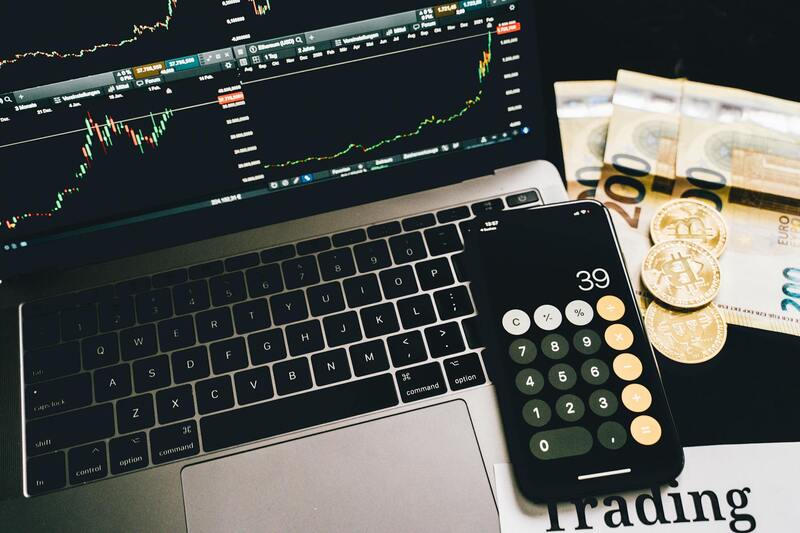
Proprietary Firm Software
Proprietary or prop firm trading software is tailored specifically for firms that fund traders and oversee large trading desks. These platforms typically integrate proprietary risk management systems, performance tracking, and strict compliance measures. They are optimized for scalability, offering robust administrative controls to monitor multiple traders simultaneously, facilitate capital allocation, and ensure adherence to firm-specific trading rules.

AI-Driven and Automated Trading Systems
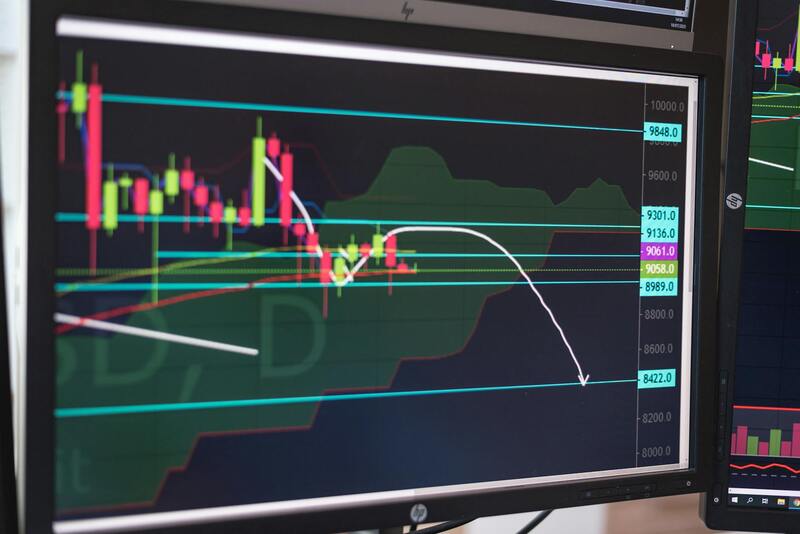
Artificial Intelligence (AI) and automation have become integral to modern trading platforms. These systems analyze vast datasets to identify patterns, generate trading signals, and execute trades without human intervention. They are particularly useful for high-frequency trading, quantitative strategies, and algorithms that adapt to changing market conditions. By integrating machine learning models, these platforms continually refine their decision-making processes, aiming to improve profitability and reduce human error.
Key Features of Trading Software Platforms
Customizable User Interface
Effective trading platforms offer intuitive and customizable interfaces that allow traders to arrange tools, charts, and monitoring windows according to their preferences, enhancing workflow efficiency.
Advanced Charting and Technical Analysis Tools
Comprehensive charting capabilities, including trend indicators, oscillators, and drawing tools, enable traders to perform detailed technical analysis to inform their trading decisions.
Real-Time Data and Market Alerts
Access to up-to-the-second market data is crucial, along with personalized alerts for price movements, news, or system notifications, facilitating timely trade execution.
Risk and Trade Management Tools
- Stop-loss and take-profit orders to automate exit strategies
- Position sizing calculators to manage capital risk effectively
- Automated trailing stops that adjust to market movements
- Scenario analysis tools for evaluating potential trade outcomes
Integration of AI and Automation
Modern trading platforms enhance their capabilities through AI-driven analytics, automatic trade execution, and adaptive algorithms. These integrations facilitate complex strategies, reduce latency in decision-making, and optimize trade timing based on predictive models.
Compatibility and Accessibility
Platforms supporting multiple devices—including web, desktop, and mobile—ensure traders can monitor markets and manage trades from anywhere. Cloud-based solutions provide seamless synchronization across devices, while high compatibility with various operating systems reduces barriers to efficient trading.
Choosing the Right Trading Software
When evaluating trading platforms, traders should consider integration with their preferred brokerage, the availability of analytical tools, user interface customization, and the capacity for automation. Compatibility with existing workflows and the flexibility to modify features to fit evolving strategies are essential for long-term effectiveness.
Future Trends in Trading Software Platforms
Innovation is driving the evolution of trading platforms towards more intelligent, automated, and user-centric systems. The integration of more sophisticated AI models, enhanced data visualization tools, and increased regulatory compliance features are expected to shape the landscape, offering traders more precise tools for navigating complex markets.
Key Features of Trading Software Platforms
Trading software platforms are designed to provide traders with a comprehensive suite of tools that streamline the entire trading process. The user interface is a foundational element, enabling traders to access market data, execute trades, and monitor positions efficiently. A clean, intuitive layout reduces the cognitive load, allowing traders to make quick decisions based on real-time information.
Advanced charting tools are integral to effective technical analysis. These tools offer a variety of indicators, drawing tools, and customizable timeframes that allow traders to identify trends, entry and exit points, and potential reversals. High-quality charting capabilities often include multiple chart types, synchronized views, and real-time updates, which are indispensable for technical traders.

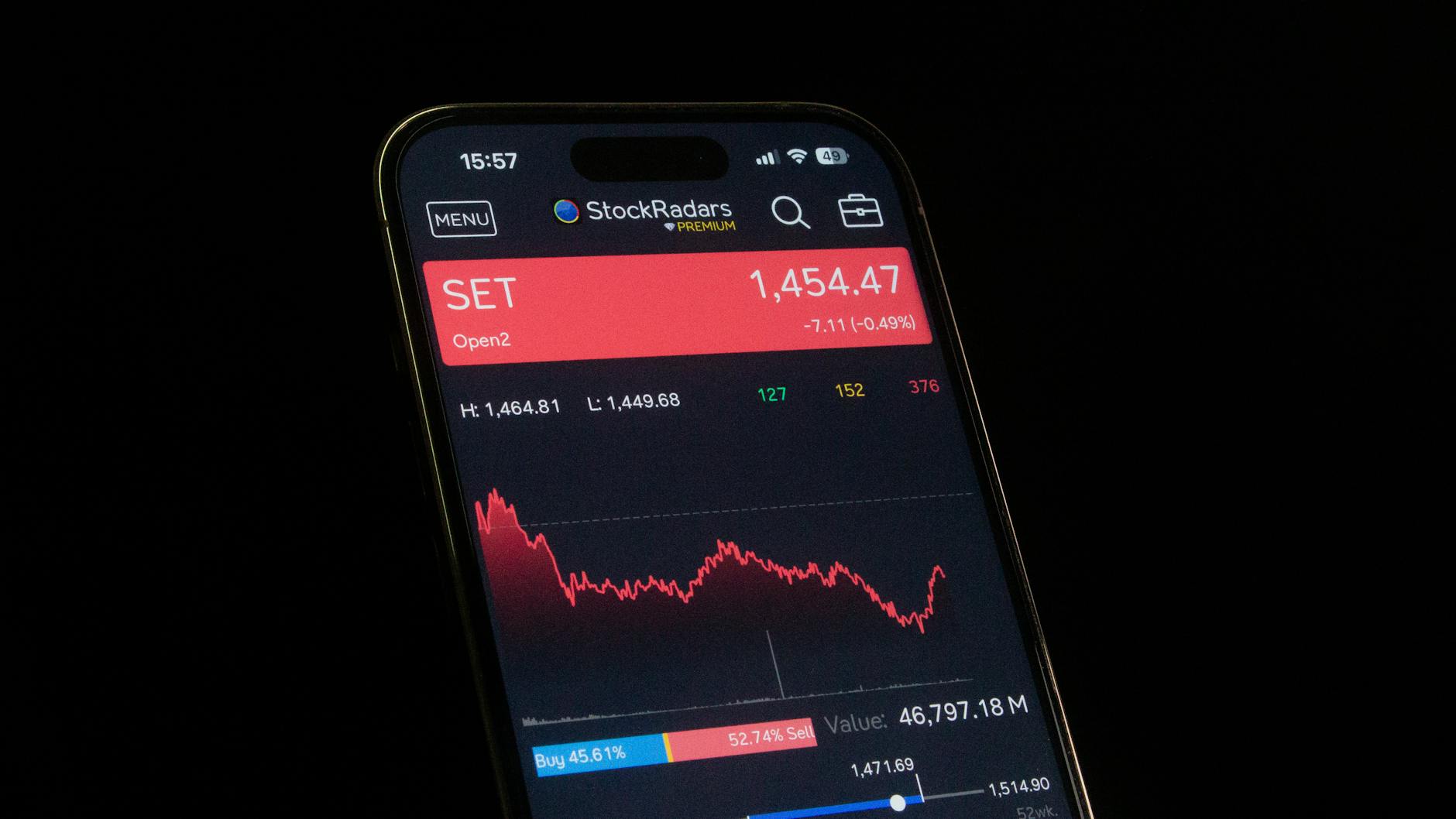
Order execution speed and reliability are critical. Platforms must support various order types—including market, limit, stop-loss, and take-profit orders—and execute these orders swiftly to capitalize on market opportunities. The capacity for one-click trading, coupled with the confirmation and validation steps, ensures efficiency without compromising accuracy.
Customization options enhance the user experience by allowing traders to tailor the platform interface to their specific needs. This may include customizable dashboards, alert and notification settings, and layout configurations. Such flexibility helps traders optimize their workflows and focus on the strategies that work best for them.
Risk and Trade Management Tools
Effective risk management is vital in safeguarding trading capital. Platforms equipped with risk management features enable traders to set predefined limits on losses and profits, such as stop-loss and take-profit orders that automatically close positions at specified levels. Additionally, tools like trailing stops adjust dynamically alongside market movements, locking in gains while minimizing losses.
Position sizing calculators and real-time margin monitoring assist traders in adhering to appropriate trade sizes relative to their account balance and leverage, reducing exposure to excessive risk. Advanced platforms also offer alerts for margin calls or significant market movements, supporting timely decision-making.
Integration of AI and Automation
The incorporation of artificial intelligence and automation enhances trading efficiency and accuracy. AI-driven analytics analyze vast amounts of market data to identify patterns, generate signals, and predict price movements with higher precision. Automated trading systems can execute pre-programmed strategies without manual intervention, ensuring rapid response to market changes]
Such systems can also adapt dynamically through machine learning, improving their performance as more data becomes available. This capability is particularly advantageous in fast-moving markets where delays or emotional trading can lead to suboptimal results.
Compatibility and Accessibility
Modern trading platforms prioritize accessibility across multiple devices, including desktop applications, web browsers, and mobile apps. Cloud-based solutions enable traders to access their accounts from anywhere with an internet connection, ensuring continuous market engagement.
Compatibility with various operating systems, such as Windows, macOS, Android, and iOS, minimizes barriers, allowing traders to choose their preferred devices without sacrificing functionality or security. Synchronous multi-device support ensures that trading data and alerts synchronize seamlessly across platforms, maintaining coherence and responsiveness.
Choosing the Right Trading Software
Selecting an appropriate trading platform involves assessing compatibility with existing brokerage accounts and evaluating the availability of analytical and automation tools. User experience is equally important; user-friendly interfaces facilitate quicker adaptation and reduce the learning curve.
Customization capabilities tailored to specific trading strategies and the flexibility to modify features based on evolving needs are crucial for long-term adaptability. Additionally, comprehensive technical support and regular updates ensure that the platform remains secure and up-to-date with market innovations.
Future Trends in Trading Software Platforms
Emerging trends point to increasingly intelligent, automated, and user-centric platforms. The integration of more sophisticated AI models will allow for deeper market insights and predictive analytics, aiding traders in making more informed decisions. Enhanced data visualization tools—such as augmented reality overlays or advanced heatmaps—will offer richer contextual information.
Regulatory compliance features integrated directly within trading platforms will simplify adherence to evolving standards, promoting transparency and operational integrity. As technology progresses, it is expected that platforms will incorporate wider use of blockchain for secure transaction records and smarter automation protocols, further refining trading strategies and execution efficiency.
Advanced Risk and Trade Management Tools in Trading Software Platforms
Effective risk management is fundamental for sustainable trading success. Modern trading software platforms come equipped with sophisticated tools designed to analyze and mitigate potential losses, providing traders with better control over their strategies.
One core component is the use of trade calculators. These tools allow traders to quickly determine position sizes, potential profit or loss, and risk ratios based on current market prices and their specified parameters. By inputting their entry and exit points, traders can assess whether a trade aligns with their risk appetite before executing it. This process minimizes impulsive decisions and supports disciplined trading habits.

Stop-loss and take-profit orders are automated commands that help traders limit downside risk and lock in profits without requiring constant monitoring. These orders are particularly essential in fast-moving markets where price swings can occur within seconds. By predefining these levels, traders ensure that their risk thresholds are respected even when they are away from their screens.
Risk assessment tools offer an in-depth analysis of each trade's potential impact on a trader’s portfolio. These features evaluate current market conditions, historical volatilities, and correlated asset behaviors to provide insights into trade risk levels. Advanced platforms may also include scenario analysis, stress testing, and Monte Carlo simulations, giving traders a comprehensive view of potential outcomes.
Furthermore, robust trade management includes features like trailing stops, which dynamically adjust stop-loss levels as the market moves favorably, locking in gains while limiting downside risk. Position monitoring dashboards offer real-time data visualization, helping traders stay informed about their exposure and make timely adjustments.
Integration of Artificial Intelligence and Automation in Trading Platforms
The integration of artificial intelligence (AI) significantly enhances the capabilities of trading software platforms. AI-driven algorithms can analyze vast amounts of data in real-time, recognize patterns, and generate actionable insights that might be difficult for manual analysis.
Automated trading, powered by sophisticated algorithms, allows traders to execute strategies with minimal manual intervention. These systems can perform tasks such as order execution, portfolio rebalancing, and risk management based on predefined criteria. By automating routine and repetitive tasks, traders can focus on strategic decision-making and market analysis.
Advanced AI models also facilitate predictive analytics, helping traders identify potential market movements before they occur. Techniques like machine learning improve over time through continuous data input, increasing the accuracy of forecasts and signals. Consequently, traders benefit from more refined and timely insights, enabling them to act swiftly in dynamic environments.
Compatibility and Accessibility of Trading Software Platforms
For traders across the globe, accessibility and compatibility are vital considerations. Modern trading software platforms are designed to function seamlessly across a variety of devices—including desktops, tablets, and smartphones—ensuring that trading can occur anytime and anywhere.
Compatibility with multiple operating systems and integration with various brokerage APIs streamline the trading setup process. This ensures that traders can connect their preferred brokerage accounts without hassle, allowing for a unified trading experience. Many platforms also support multiple asset classes—stocks, commodities, forex, cryptocurrencies—within a single interface, simplifying diversified trading strategies.
Security is another key aspect; robust encryption, two-factor authentication, and secure data handling protocols protect trader information and assets during transactions. Additionally, user-friendly interfaces with customizable layouts promote efficient navigation and reduced learning curves for traders of all experience levels.

Strategies for Selecting Optimal Trading Software Platforms
Choosing the right trading software involves a careful analysis of both functional features and long-term suitability. Traders should evaluate the platform’s ability to integrate with their current brokerage accounts, ensuring smooth connectivity and execution. The availability of analytical tools—including charts, technical indicators, and news feeds—is crucial for informed decision-making.
Customized features tailored to individual trading styles can significantly enhance efficiency. For instance, algorithmic traders may prioritize backtesting capabilities and automation options, while discretionary traders might focus on intuitive charting tools and real-time data updates.
Support services, such as technical assistance, educational resources, and regular software updates, also influence platform choice. A reliable user community and comprehensive help centers contribute to a smoother trading experience. Ultimately, testing demos and trial versions help traders gauge the user interface's responsiveness and overall functionality, enabling informed decisions before committing significant capital.
Integration of AI and Automation
As the landscape of trading software platforms continues to evolve, the integration of artificial intelligence (AI) and automation tools has become a defining feature for many advanced systems. These technologies offer traders significant advantages by enhancing decision-making processes, increasing trading efficiency, and reducing human error.
AI-powered algorithms enable traders to automate complex trading strategies that would otherwise require constant supervision. These algorithms analyze vast datasets, identify patterns, and execute trades based on predefined criteria with minimal latency. This is particularly beneficial in high-frequency trading environments, where split-second decisions can impact profitability.
Predictive analytics, a core component of AI integration, assist traders in forecasting market movements by analyzing historical price data, news sentiment, and macroeconomic indicators. Such insights can provide a competitive edge by highlighting potential entry and exit points, adaptive to current market conditions.
Decision support systems embedded within trading platforms leverage AI to offer real-time suggestions, alerts, and risk assessments. Traders can tailor these features to match their trading strategies, whether they favor algorithmic execution or manual trading enhanced by AI insights.
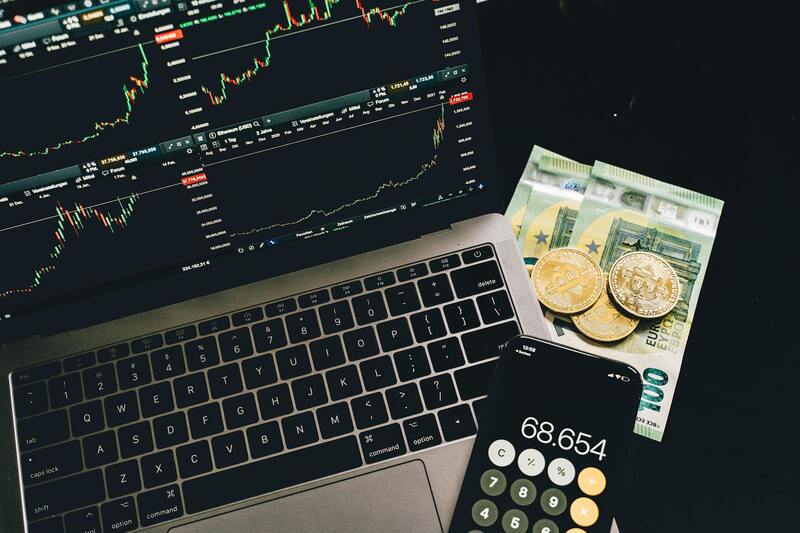
Benefits of AI and Automation
- Increased trade precision and timing based on real-time data analysis
- Reduction of emotional bias in trading decisions through automation
- Capability for backtesting and refining strategies over extensive datasets
- Enhanced risk management through predictive alerts and automatic stop-loss adjustments
- Facilitation of algorithmic trading for large-volume, high-speed transactions
Implementation Considerations
While AI and automation introduce powerful capabilities, traders should ensure their chosen trading software platform supports reliable integration with these features. It's essential to evaluate the robustness of AI modules, the flexibility for customization, and the seamless connectivity with brokerage accounts. Ongoing support, continuous updates, and transparency in algorithmic processes are crucial for maintaining effective and trustworthy automation.
Compatibility and Accessibility
Ensuring that trading software platforms operate seamlessly across various devices is fundamental for traders who require flexibility and real-time access. Modern platforms often feature web-based interfaces compatible with desktops, laptops, tablets, and smartphones, allowing users to monitor markets and execute trades from anywhere with an internet connection. This multi-device support facilitates continuous engagement and immediate response to market movements, which can be critical in fast-paced trading scenarios.

In addition to device compatibility, robust integration with brokerage services enhances functionality and streamlines operations. Direct connectivity with trading accounts, order execution, and account management within the platform reduces delays and minimizes the risk of manual entry errors. Integration capabilities enable traders to automate workflows, synchronize data, and access comprehensive account insights directly from their preferred software.
Cloud-based solutions further expand accessibility, enabling traders to access their platforms through secure internet connections without the need for substantial hardware investments. Cloud platforms also facilitate automatic updates, data backups, and scalability, which are vital for maintaining optimal performance during periods of high market volatility. Such accessibility fosters a more dynamic trading environment where traders can adapt quickly to changing conditions without geographic or device limitations.
Additional Considerations for Compatibility and Accessibility
- Security protocols: Platforms should employ advanced encryption, two-factor authentication, and secure connection practices to protect sensitive data.
- Performance and latency: Fast data processing and minimal latency are essential for executing trades efficiently and responding to market changes promptly.
- User interface design: Intuitive, customizable interfaces improve usability and enable traders to set up dashboards tailored to their preferences.
- Third-party integrations: Compatibility with analytical tools, news feeds, and other trading utilities enhances strategic decision-making.

Summary
Effective trading software must offer seamless multi-device compatibility complemented by robust brokerage integration. Cloud-based capabilities, prioritizing security, performance, and user customization, support proactive and flexible trading strategies. Traders should evaluate these accessibility features to ensure uninterrupted, efficient engagement with markets, regardless of location or device.
Risk and Trade Management Tools
Effective trading software platforms incorporate comprehensive risk and trade management tools that empower traders to maintain control over their positions and optimize their overall trading strategy. These tools are essential in mitigating potential losses and maximizing gains by providing real-time decision-making support.
Key components include:
- Stop-Loss and Take-Profit Orders: Automated orders that trigger sales at predetermined prices, helping traders protect profits and limit losses without constant market monitoring.
- Trailing Stops: Dynamic stop-loss orders that follow the market price to lock in gains as the asset price moves favorably.
- Risk Assessment Dashboards: Visual interfaces that display key risk metrics such as exposure, leverage levels, and margin utilization, allowing traders to adjust positions proactively.
- Position Sizing Tools: Calculators that assist traders in determining optimal trade sizes based on account balance, risk tolerance, and market conditions.
- Trade Re-entry Alerts: Notifications for re-entering trades when specific market signals align with predefined criteria.
In application, these tools facilitate precise trade entry and exit points, enhance discipline, and support adherence to predefined risk parameters. A platform with robust risk management features can significantly reduce the impact of market volatility and protect trading capital.
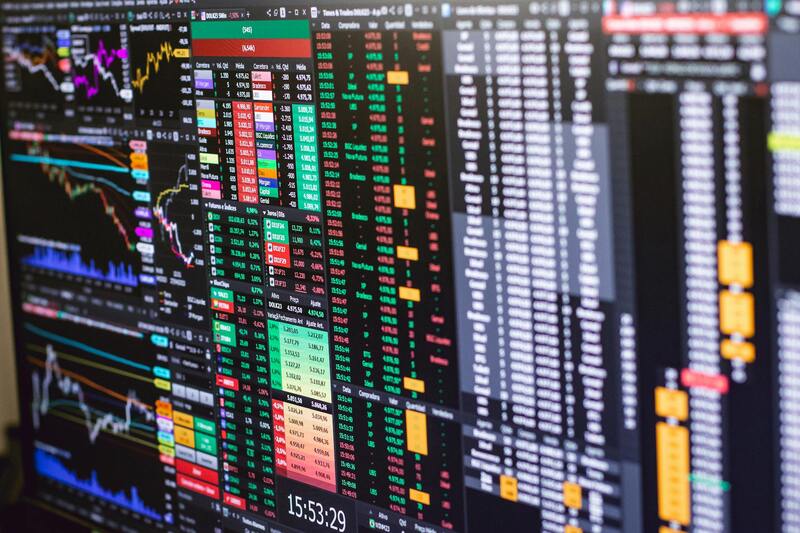
Integration of AI and Automation
The integration of artificial intelligence (AI) and automation into trading platforms continues to transform the landscape of digital trading. These advanced features enhance the decision-making process, streamline operations, and introduce a higher degree of precision.
AI-driven algorithms analyze vast datasets, detect patterns, and generate trading signals at speeds unattainable by humans. Automated trading systems execute trades based on complex algorithms, removing emotional influence and ensuring adherence to strategic parameters.
Additional benefits include:
- Predictive Analytics: AI models forecast market trends and identify potential price movements, enabling proactive positioning.
- Algorithmic Trading: Pre-programmed strategies automatically execute trades, optimize timing, and improve execution quality.
- Market Sentiment Analysis: AI scours news, social media, and other data sources to gauge market sentiment, informing trading decisions.
- Risk Management Enhancements: AI systems continuously monitor risk exposure and adjust trading parameters in real-time.
This convergence of AI and automation elevates the efficiency, accuracy, and responsiveness of trading operations, providing traders with a competitive edge.
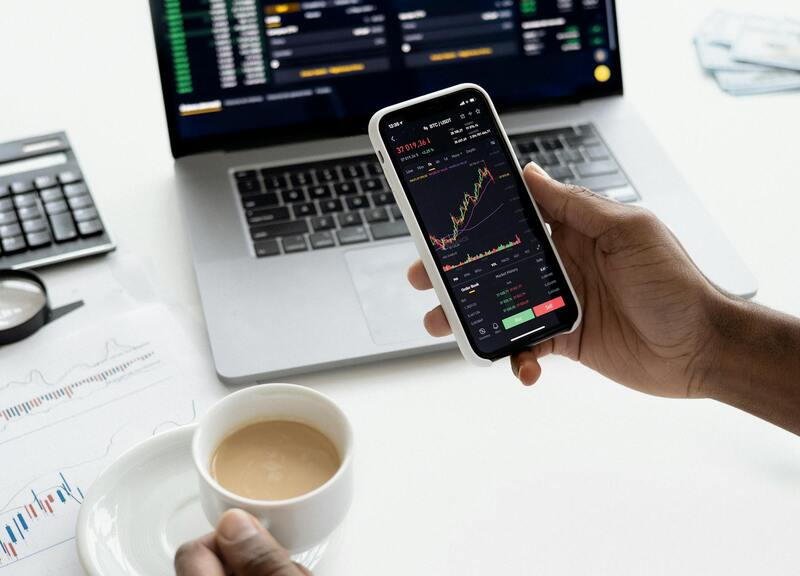
Compatibility and Accessibility
Seamless accessibility across devices and compatibility with various systems are critical in modern trading environments. Traders often operate from multiple locations and devices, necessitating platforms that adapt effortlessly to different operational contexts.
Features that enhance compatibility and accessibility include:
- Cross-Device Compatibility: Platforms designed to work smoothly on desktops, tablets, and smartphones ensure continuous market engagement.
- Cloud-Based Access: Cloud integration allows traders to access their setups and data remotely, promoting flexibility and mobility.
- Secure Data Connectivity: Advanced encryption and secure authentication protocols protect sensitive information during remote access.
- Customizable User Interfaces: Intuitive dashboards that adapt to individual preferences and trading styles improve usability.
- Third-Party Software Integration: Compatibility with analytical tools, news feeds, and other utilities enhances strategic flexibility.
Prioritizing these features ensures traders can respond swiftly to market changes, execute trades efficiently, and maintain operational continuity regardless of location or device. A highly compatible platform minimizes disruptions and augments trading effectiveness in dynamic markets.
Latest Innovations and Emerging Trends in Trading Software Platforms
As the landscape of financial markets evolves rapidly, trading software platforms are continuously integrating cutting-edge technologies to adapt and optimize trading performance. The adoption of artificial intelligence (AI), machine learning, and advanced automation tools is revolutionizing how traders analyze data, execute trades, and manage risks. This dynamic shift is not only enhancing operational efficiency but also enabling traders to respond to market fluctuations with greater agility and precision.
Integration of Artificial Intelligence and Machine Learning
AI-driven features are becoming staples in modern trading software platforms. These tools analyze vast amounts of historical and real-time data to identify patterns, forecast market movements, and assist in making informed decisions. Machine learning algorithms refine their predictions based on new data inputs, continuously improving accuracy over time. Traders benefit from predictive analytics, sentiment analysis, and automated signal generation that reduce manual effort and increase decisiveness.
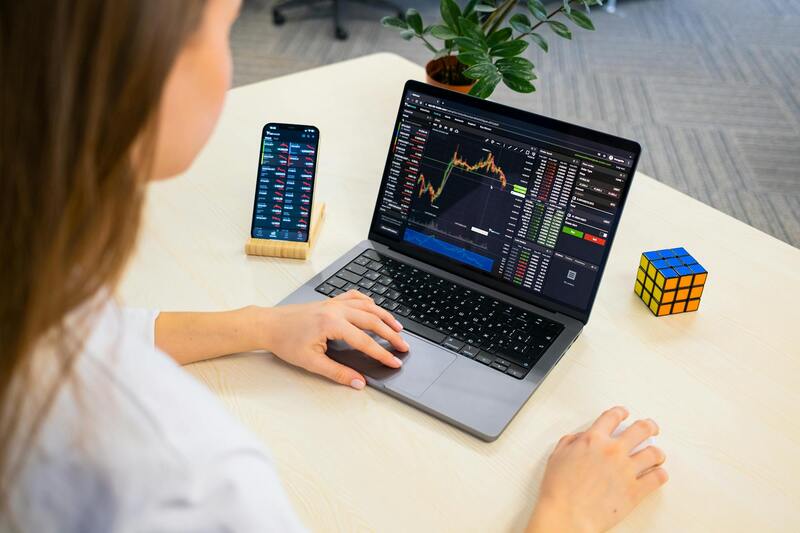
Enhanced Automation Capabilities
Automation tools are becoming more sophisticated, allowing traders to set complex algorithms that handle trade execution, portfolio balancing, and risk management without constant supervision. Automated trading systems can operate 24/7, capturing opportunities across various markets while minimizing human emotional biases. This shift toward automation is particularly impactful in high-frequency trading environments where milliseconds matter.
Real-Time Market Data and Advanced Analytics
Continuous access to streaming data and real-time analytics is critical in current trading platforms. Advanced charting tools, customizable dashboards, and multi-asset analysis enable traders to monitor market conditions comprehensively. Real-time news feeds and economic indicators integrated into trading platforms facilitate quick decision-making, crucial in volatile or fast-moving markets.
Security and Data Protection Technologies
As trading becomes more reliant on cloud-based services and remote access, security remains paramount. Modern trading platforms incorporate state-of-the-art encryption protocols, multi-factor authentication, and intrusion detection systems. These measures ensure that sensitive trading data, personal information, and transactional details remain protected against unauthorized access and cyber threats.
Future-Proofing with Adaptability and Scalability
Upcoming platforms are designed with scalability in mind, accommodating increasing data loads and expanding functionalities. Modular architectures allow traders to customize and upgrade their systems easily, integrating new tools as they develop. This adaptability also supports rapid deployment of new features driven by technological progress, ensuring that traders can leverage the latest innovations without overhauling their entire setup.
Emerging Functionalities Shaping Future Trading Environments
- Virtual and Augmented Reality (VR/AR): Enhancing data visualization and immersive market analysis experiences.
- Blockchain Integration: Streamlining transaction transparency, reducing settlement times, and increasing security.
- Quantitative Trading Tools: Giving traders access to sophisticated algorithms and statistical models for high-level strategy development.
- Social Trading Features: Facilitating community-driven insights and copy-trading capabilities that democratize access to expert strategies.
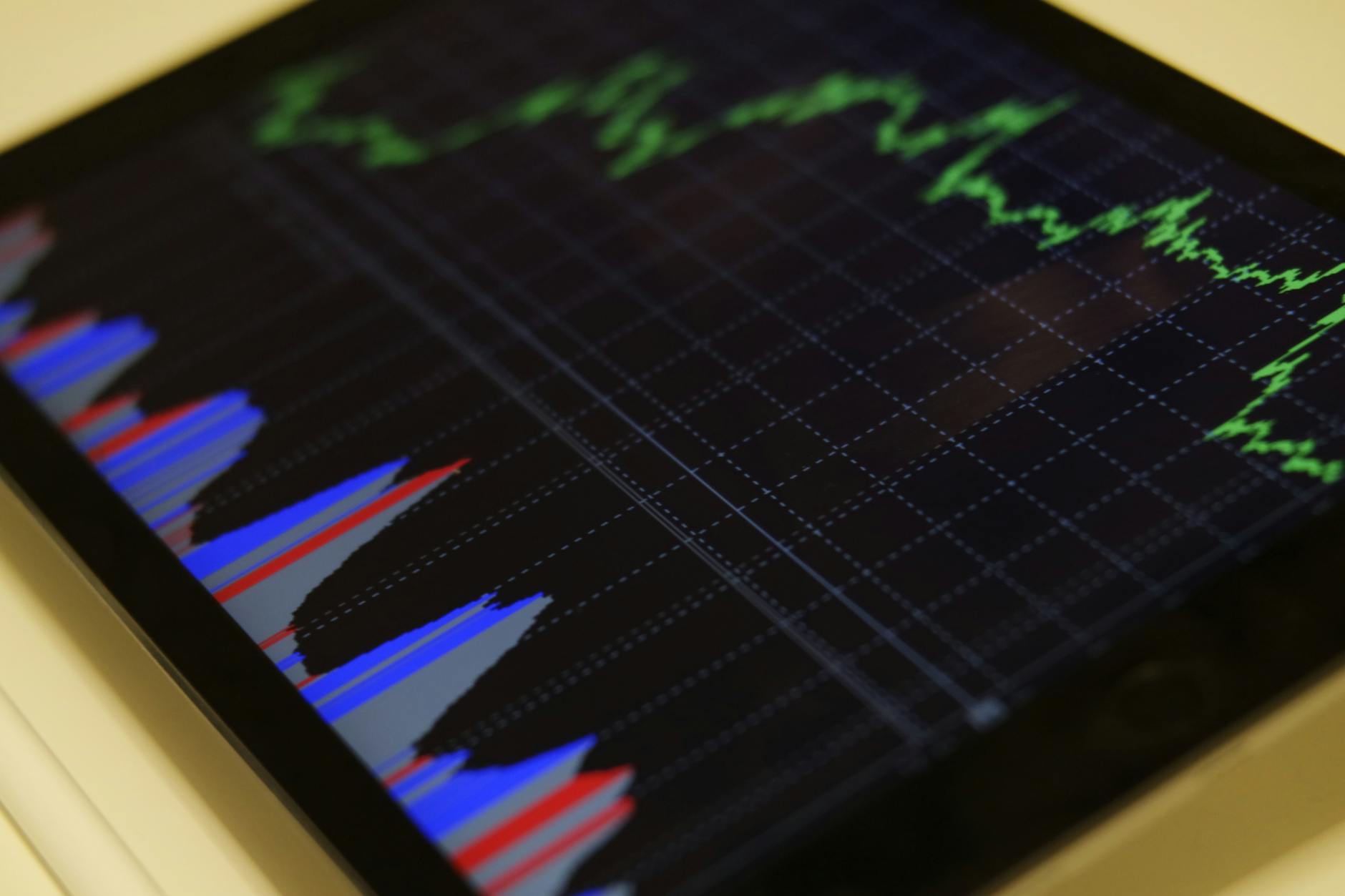
As trading software platforms continue to evolve, traders and institutions alike will find increasingly powerful tools designed for precision, speed, and security. Keeping abreast of these innovations provides a strategic advantage in navigating competitive markets and capitalizing on new opportunities that emerge from technological advancements.
