

Overview of Prop Firm Software
Prop firm software represents specialized technology designed to facilitate and optimize proprietary trading activities within trading firms. These firms, often referred to as prop trading firms, use proprietary capital to trade in financial markets with the aim of generating profits. The software acts as the backbone of their trading operations, providing traders and managers with a centralized platform to execute trades, monitor performance, and manage risk effectively.
Within the dynamic environment of proprietary trading, having robust and reliable software is crucial. It enables traders to respond swiftly to market changes, execute complex strategies seamlessly, and maintain transparency and compliance across trading processes. As the trading landscape has evolved, so too has the sophistication of prop firm software, incorporating advanced analytical tools, automation capabilities, and secure connectivity to various financial instruments and markets.
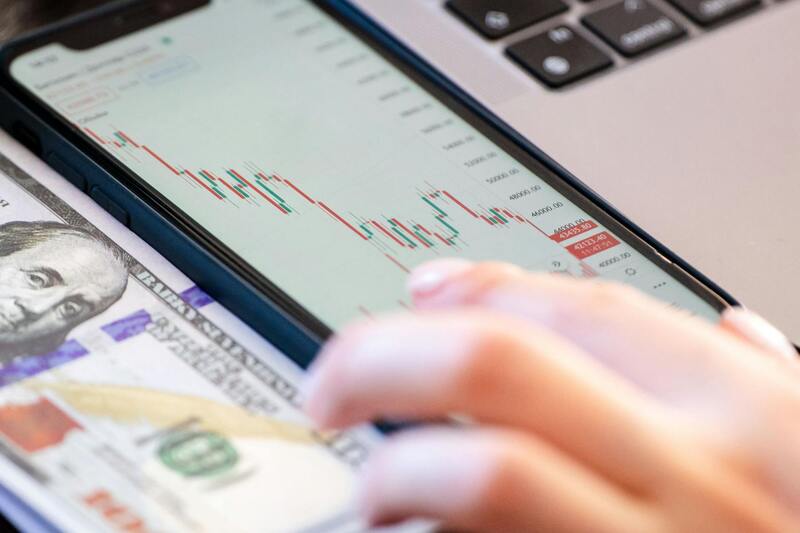
The significance of prop firm software extends beyond mere trade execution. It encompasses risk management modules that help limit potential losses, performance tracking tools that provide real-time insights into trader activities, and integration features that connect with diverse trading platforms. This integration ensures that traders can leverage multiple markets and asset classes seamlessly, boosting overall efficiency and profitability.
In essence, prop firm software acts as the operational hub for trading firms, combining sophisticated technology with strategic functionalities to empower traders, enhance decision-making, and uphold the integrity of trading activities. As trading strategies continue to advance and regulatory requirements grow more complex, the importance of choosing the right trading software becomes increasingly apparent, underlining its role as a fundamental component of successful prop trading enterprises.
Integration with Trading Platforms
Efficient prop firm software must seamlessly connect with multiple trading platforms, allowing traders to operate across diverse financial markets with ease. This integration provides a unified interface that consolidates trading activities, data streams, and portfolio management. Compatibility with popular platforms ensures that traders can utilize their preferred tools and techniques without any disruptions. Advanced integration features enable real-time data exchange, order synchronization, and automated trade execution across different platforms, creating a cohesive trading environment that enhances speed and precision.

Moreover, integration extends to various financial instruments, such as forex, stocks, commodities, and derivatives, providing traders with a broad spectrum of trading options. This connectivity not only amplifies trading opportunities but also simplifies the management of complex trading strategies through centralized control. The ability to blend multiple data feeds and execute automated strategies across platforms exemplifies how integration enhances operational efficiency and strategic responsiveness in fast-moving markets.
Features of Trading Software Platforms
Trading software platforms intended for proprietary trading often boast a range of sophisticated features tailored to meet the demands of professional traders. They typically include customizable dashboards, technical analysis tools, real-time market data, and advanced charting capabilities. Customization options allow traders to adapt their workspace to their unique trading styles, enabling quicker decision-making and improved execution accuracy.
Security features are another critical aspect. Robust encryption protocols and secure login procedures safeguard sensitive trading data and client information. Additionally, many platforms incorporate plugins or APIs that allow for third-party tool integration, such as algorithmic trading bots, analytics software, or risk management modules. This flexibility ensures that traders can continually optimize their setups as their trading strategies evolve.
Online and Day Trading Software Capabilities
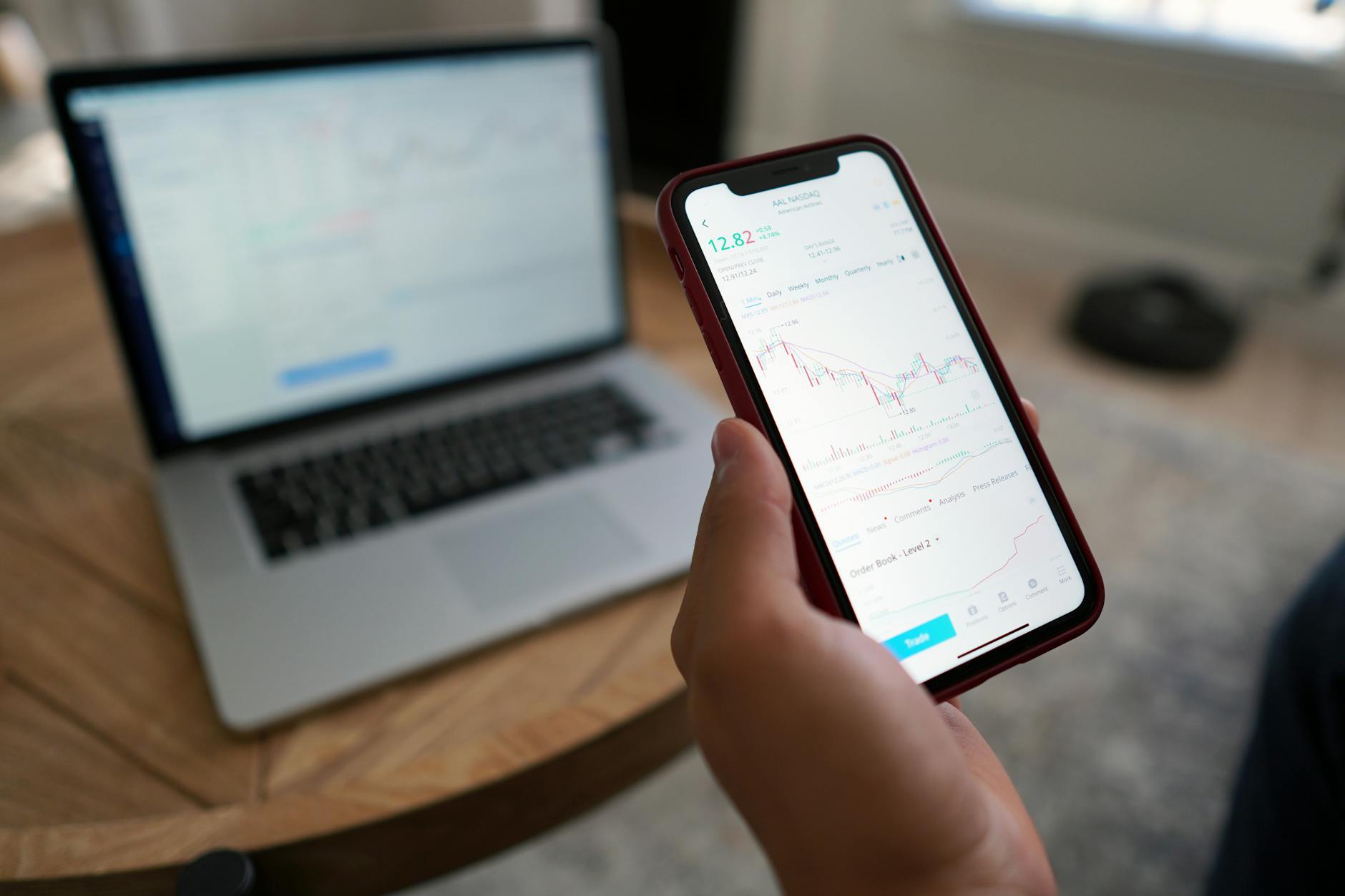
Modern prop firm software supports both online and day trading operations, equipping traders with the tools needed for quick execution and real-time analysis. Online trading capabilities include instant order placement, live market updates, and instant access to diverse asset classes. These features are essential for traders who execute multiple trades within a short time frame, requiring rapid response to market shifts.
Day trading-specific functionalities often include predefined order types like stop-loss, take-profit, and trailing stops, which allow traders to automate exit strategies and minimize risks. The software also provides real-time news feeds and market alerts, keeping traders informed of events that could influence market movements. Advanced analytical tools such as heat maps, volatility indices, and predictive analytics further empower traders to identify trading opportunities promptly.
Use of AI in Prop Trading Software
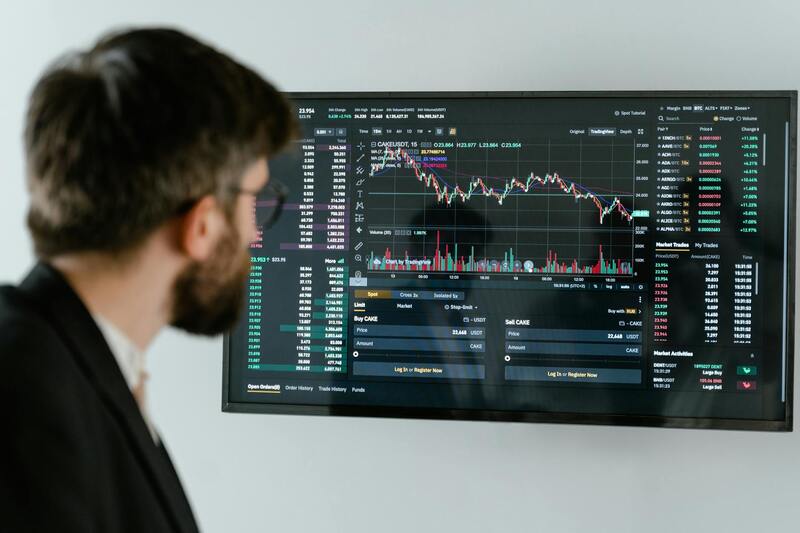
Artificial intelligence (AI) has become an integral component of advanced prop firm software, offering capabilities that enhance trading precision and strategic insight. AI-driven algorithms analyze vast datasets faster than manual methods, identifying patterns and signals that may prelude profitable trades. Machine learning models adapt over time, improving their predictive accuracy as they are exposed to more market data.
AI functionalities include predictive analytics, sentiment analysis—leveraging natural language processing of news and social media—and automated trading strategies that execute trades based on predefined criteria. These features enable traders to capitalize on fleeting market opportunities and to implement more complex, quantitative strategies without constant manual oversight. Such innovations significantly improve the consistency and scalability of trading activities within prop firms.
Risk Management Tools in Trading Software
Effective risk management is central to proprietary trading, and modern software solutions incorporate comprehensive tools designed to guard against significant losses. These include real-time portfolio monitoring, value-at-risk (VaR) calculations, and stress testing modules. Traders can set custom risk parameters, such as maximum drawdowns or position sizes, which the software enforces automatically.
Stop-loss orders, trailing stops, and alert systems are integrated deeply into trading platforms to prompt traders before risking excessive exposure. Combined with detailed analytics on historical performance, these tools enable traders to make informed decisions that balance profitability with risk mitigation. Automated risk controls ensure traders comply with internal policies and external regulations, fostering sustainable trading practices.
Selecting the Right Prop Firm Software
Choosing the appropriate prop firm software involves assessing a range of factors aligned with operational needs and trading goals. Compatibility with essential trading platforms and instruments is fundamental, along with the availability of features like automation, advanced analytics, and flexible customization. Security measures must be robust to safeguard sensitive information and trading data.
Scalability and integration capabilities should match the firm's growth plans and technological infrastructure. User interface and ease of use are also critical, especially for traders who rely on quick, intuitive decision-making. Additionally, ongoing technical support and software updates are invaluable in maintaining system efficiency and adapting to evolving market requirements.

Integration with Trading Platforms
Effective prop firm software seamlessly integrates with various trading platforms, enabling traders to execute strategies efficiently and with minimal disruption. Such integration allows for real-time data synchronization between the software and trading interfaces, which is vital for maintaining accuracy and timeliness in decision-making processes. Connecting with popular trading platforms ensures traders can utilize proprietary tools, charts, and analytical resources within a unified environment. Additionally, a well-integrated system supports order execution, portfolio management, and risk assessment directly through the trading platform, streamlining all core trading activities.
Moreover, integration extends to risk management tools embedded within trading ecosystems. When such systems communicate flawlessly, traders receive immediate alerts about potential issues like exceeding risk thresholds or margin calls, which are critical in volatile market conditions. The interoperability between prop firm software and trading platforms also enables the automation of trading strategies, facilitating faster order execution and adherence to predefined parameters without manual intervention. This integration ultimately enhances operational efficiency, reduces manual errors, and promotes disciplined trading practices.

Implementing such integrations requires compatibility with various APIs and software protocols, ensuring that data transfer is secure, reliable, and compliant with industry standards. Robust integration not only optimizes everyday trading activities but also provides a strong foundation for customization and scalability as the firm's operational requirements evolve over time.
Features of Trading Software Platforms
- Real-time Data Feed: Continuous updates of market prices, volume, and order book information facilitating immediate trading decisions.
- Automated Order Execution: Programming and executing trade orders based on technical signals or pre-set criteria, reducing manual input delays.
- Advanced Charting and Analysis Tools: In-depth technical analysis features like drawing tools, indicators, and backtesting options to refine trading strategies.
- Risk and Portfolio Management: Monitoring exposure levels, managing leverage, and adjusting positions swiftly to maintain desired risk profiles.
- Customizable Interface: User-friendly dashboards tailored to traders’ preferences for quick access to vital information.

Online and Day Trading Software Capabilities
Online and day trading software platforms are designed to meet the rapid pace of live trading environments. They offer features like instant order execution, customizable hotkeys, and real-time alerts that are essential for traders operating within tight timeframes. Sophisticated charting modules enable day traders to identify opportunities quickly, while integrated news feeds keep them informed of market-moving developments.
Additional capabilities such as multi-monitor support, order types beyond standard market and limit orders, and automated trading scripts allow traders to implement complex strategies dynamically. Robust connectivity options ensure minimal latency and optimal performance during high-volume trading sessions. The software’s ability to handle high-frequency data flow directly correlates with improved trading outcomes, making it a vital component in prop trading environments.
Usage of AI in Prop Trading Software
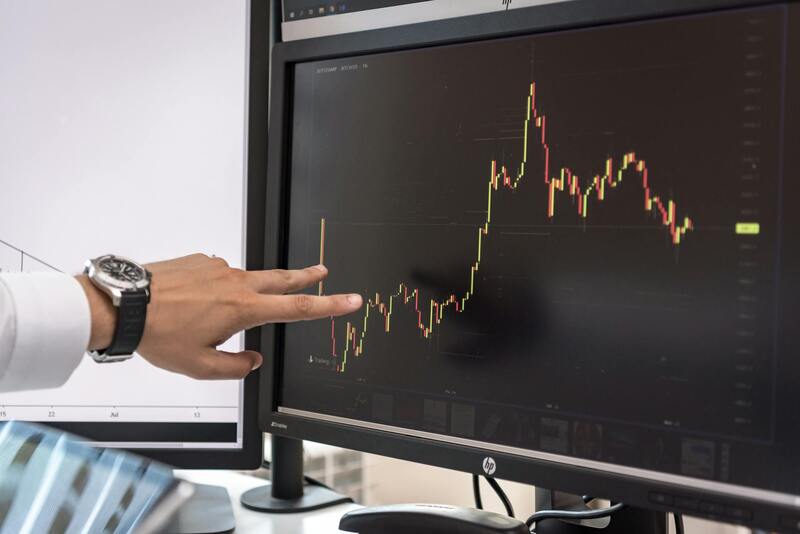
Artificial Intelligence (AI) has become an integral element in modern prop firm software, enhancing analytical capabilities beyond traditional methods. AI-driven algorithms analyze vast datasets rapidly, identifying patterns and signals that might escape human detection. These systems adapt to changing market conditions, continually refining their predictive models to improve accuracy.
Traders benefit from AI assistance through features like predictive analytics, sentiment analysis extracted from news or social media feeds, and automated strategy optimization. Machine learning models enable software to evolve based on historical performance data, offering tailored trading suggestions aligned with individual risk tolerance and objectives. Employing AI also allows for backtesting strategies against extensive data sets, fine-tuning trade parameters before deployment in live markets.

Risk Management Tools in Trading Software
Integral to the operation of prop trading firms are sophisticated risk management features embedded in the software. These tools automate risk controls such as setting maximum drawdowns, position size limits, and stop-loss orders. They analyze real-time trading activity to ensure adherence to predefined thresholds, preventing excessive losses and preserving capital.
Visual dashboards display live risk exposures, profit and loss (P&L) metrics, and margin levels, enabling traders and risk managers to make timely decisions. Automation of risk controls reduces emotional trading and enforces discipline, which is essential in volatile markets. Additionally, the software offers scenario analysis and stress testing tools, gauging how portfolios might perform under adverse conditions. Such comprehensive risk management capabilities facilitate sustainable trading practices within prop firms.
Integration with Trading Platforms
Seamless integration with various trading platforms is a fundamental component of prop firm software. This capability ensures that traders can operate within familiar environments while benefiting from the software’s advanced features. Compatibility with popular trading platforms such as MetaTrader 4 and 5, TradingView, and proprietary APIs allows for efficient execution of trades, real-time data analysis, and strategy deployment.
Effective integration facilitates smooth data exchange between back-end systems and trading interfaces, minimizing latency and enhancing decision-making speed. It also enables automation, where trading signals generated by the software can be directly executed within the trader’s preferred platform. This synergy is critical for executing high-frequency strategies and executing large volumes of trades without manual intervention.
Standardized data formats and open API standards enable the prop firm software to communicate flawlessly across multiple platforms, thereby supporting both algorithmic and discretionary trading styles. Traders can monitor live market conditions, review historical performance, and adjust strategies swiftly, all within a cohesive operational framework.
Security and Data Privacy
Robust security protocols are a vital aspect of platform integration. Features like encrypted data transfer, multi-factor authentication, and regular security audits protect sensitive trading information and client data. Reliable security measures ensure that trading operations remain uninterrupted and that all data exchanges comply with industry standards, maintaining the integrity of trading activities.
Real-time Data Synchronization
Efficient synchronization of data streams is essential for accurate trading signals and risk assessments. Prop firm software continuously updates market data, account details, and trade execution statuses across connected platforms. This real-time synchronization assists traders in responding swiftly to market movements, ensuring optimal trade timing and risk management.
By maintaining consistent data flow, the software enhances situational awareness and supports dynamic adjustment of trading strategies based on evolving market conditions. This agility is instrumental in maintaining competitive edge within high-velocity trading environments.

Customization and Workflow Optimization
Integration also allows for tailored workflows, where traders can customize dashboards, alerts, and automation scripts to fit their specific trading styles. Workflow automation minimizes manual tasks, reduces errors, and allows traders to focus on strategic decision-making rather than operational logistics. Such flexibility improves operational efficiency and helps in adhering to firm-specific trading protocols.
Conclusion
Integrating prop firm software with trading platforms extends the functional capabilities of trading operations. It ensures fast, secure, and reliable execution while providing flexibility to tailor workflows. These integrations support a high level of operational excellence, empowering traders with tools that enhance performance and mitigate risks in dynamic market conditions.
Overview of Prop Firm Software
Prop firm software serves as a central platform for managing trading activities within proprietary trading firms. Its primary aim is to streamline operations, enhance decision-making, and ensure efficient execution of trades. These software solutions integrate multiple functionalities including trade execution, risk management, reporting, and compliance monitoring, providing traders and managers with comprehensive visibility over trading activities. By leveraging robust infrastructure and advanced algorithms, prop firm software facilitates high-speed trading in volatile markets, enabling traders to capitalize on fleeting opportunities while maintaining disciplined risk controls.

Core Functions of Prop Firm Software
At its core, prop firm software is designed to simplify the complex processes inherent in active trading environments. Its key functions typically include:
- Order Management: Facilitates quick order placement, modification, and cancellation across multiple markets or exchanges.
- Trade Execution: Ensures speedy and reliable execution of trades by connecting directly with various trading venues and liquidity providers.
- Risk Monitoring: Continuously tracks real-time risk exposure for individual traders and the firm as a whole, flagging potential over-leverages or violations of trading limits.
- Performance Analytics: Provides detailed reports on trading performance, profit/loss metrics, and strategy effectiveness, supporting ongoing assessment and refinement.
- Compliance and Record-Keeping: Automates tracking of trades, ensuring adherence to regulatory standards and internal policies while maintaining comprehensive audit trails.
Integration with Trading Platforms
Seamless connectivity between prop firm software and trading platforms is fundamental to operational efficiency. This integration allows for real-time data exchange, including market quotes, order statuses, and trade executions. Traders benefit from having all relevant information consolidated within a single interface, reducing delay and minimizing manual data entry errors. The ability to synchronize data across multiple platforms ensures that trading decisions are based on the latest market conditions, vital for high-frequency trading strategies. Moreover, integrated systems can automate routine tasks like order routing and risk alerts, freeing traders to focus on strategic decision-making.

Features of Trading Software Platforms
Modern trading software platforms designed for prop trading environments include several advanced features:
- Real-Time Market Data: High-frequency updates on price movements, volume, and order book depth to inform rapid trading decisions.
- Automated Trading Algorithms: Support for algorithmic strategies that execute trades based on predefined parameters, enhancing consistency and speed.
- Customizable User Interface: Trading dashboards that can be tailored to fit individual trader preferences, improving usability and situational awareness.
- Risk Management Tools: Built-in features such as stop-loss, take-profit, and maximum drawdown alerts that help manage exposure strategically.
- Order Types and Flexibility: Access to advanced order types like OCO (One Cancels the Other), icebergs, and trailing stops to implement complex trading strategies.
- Security Measures: Robust encryption, user authentication, and audit trails to safeguard trading activity and sensitive data.
Proper integration and utilization of these features enable prop traders to operate efficiently within fast-moving market conditions, maintaining a competitive edge.
Overview of Prop Firm Software
Prop firm software serves as the backbone of proprietary trading operations, providing a centralized platform that integrates various trading tools, risk management features, and data analytics. For traders looking to maximize their effectiveness, this software offers a comprehensive suite of functionalities designed to streamline workflows, enhance decision-making, and ensure compliance with internal policies. Designed specifically to meet the intense demands of proprietary trading environments, prop firm software combines precision and speed to enable traders to execute strategies with confidence and efficiency.

Core Functions of Prop Firm Software
At its core, prop firm software manages several critical functions essential for successful trading operations:
- Trade Execution and Management: Facilitates rapid order placement, modification, and cancellation, ensuring traders can respond instantly to market movements.
- Risk Control and Monitoring: Provides real-time tracking of trading activity, limits, and exposure to prevent excessive losses and maintain adherence to risk parameters.
- Capital Allocation and Management: Distributes trading capital efficiently among traders or strategies, with detailed oversight of allocations and performance metrics.
- Data Aggregation and Reporting: Compiles market and trading data into insightful reports, aiding strategic review and compliance documentation.
- Trader Performance Analytics: Tracks individual trader metrics to identify strengths and weaknesses, fostering continuous improvement.
Integration with Trading Platforms
Seamless integration between prop firm software and trading platforms is fundamental to achieving optimal operational efficiency. Interfacing with popular trading platforms via APIs enables real-time data exchange, order routing, and synchronization across systems. Such integration ensures that traders are equipped with accurate market data and swift execution capabilities, reducing latency and potential errors. The integration process typically involves setting secure API connections, configuring data pipelines, and establishing protocol standards that support high-frequency trading requirements. A cohesive environment allows traders to access complex analytics, execute trades across multiple markets, and monitor positions from a unified interface.
Features of Trading Software Platforms
Modern trading software platforms crafted for prop trading are distinguished by their sophisticated features that cater to high-stakes, fast-paced markets. These features empower traders to exploit opportunities swiftly while managing inherent risks effectively:
- Real-Time Market Data: Provides up-to-the-moment updates on price movements, order book details, and market depth, which are crucial for making informed trading decisions.
- Automated Trading Algorithms: Allows deployment of algorithmic strategies that execute trades based on preset criteria, increasing efficiency and reducing emotional trading biases.
- Customizable User Interface: Adjustable dashboards and layout configurations enhance situational awareness and ease of use.
- Robust Risk Management Tools: Features like stop-loss, trailing stops, and maximum drawdown alerts help in balancing risk and return effectively.
- Advanced Order Types: Support for complex orders such as OCO, icebergs, and trailing stops broadens strategic possibilities.
- Security Features: High-level encryption, biometric authentication, and audit trails provide secure trading environments and protect sensitive data.
Online and Day Trading Software Capabilities
Traders engaged in online and day trading heavily depend on software that offers rapid execution, real-time analytics, and robust risk management. These platforms typically support multiple asset classes — equities, forex, futures, options — and provide instant access to market data. Features like one-click order execution, advanced charting tools, and real-time news feeds empower traders to capitalize on short-term market fluctuations. Additionally, integrated risk controls such as real-time profit/loss tracking and margin monitoring are vital in day trading environments, where rapid decisions can have significant consequences.
Risk Management Tools in Trading Software
Effective risk management is a fundamental component of successful proprietary trading operations. Prop firm software incorporates a comprehensive suite of risk control features designed to safeguard capital and ensure adherence to strategic parameters. These tools facilitate traders and risk managers in monitoring exposure levels, setting predefined thresholds, and responding swiftly to adverse market movements.
Key functionalities include:
- Real-time Profit and Loss Monitoring: Enables traders to track their performance instantaneously, promoting disciplined trading and timely adjustments.
- Automated Stop-Loss and Take-Profit Orders: Preconfigured exit points help limit potential losses and lock in gains without manual intervention, reducing emotional decision-making.
- Maximum Drawdown Alerts: These notifications warn traders when losses approach defined limits, preventing catastrophic capital erosion.
- Position Sizing Algorithms: Software can recommend optimal trade sizes based on risk parameters and current account balances, fostering prudent trading practices.
- Margin and Leverage Controls: Automated checks ensure that traders do not exceed allowable leverage, maintaining compliance with firm policies and managing credit exposure.
Beyond individual trade safeguards, software platforms often include compliance monitoring tools that log trading activity, generate audit trails, and ensure that trades adhere to regulatory standards. Such integrated approaches to risk management bolster the firm's overall stability while empowering traders to operate within defined risk boundaries.
Risk Management Tools in Trading Software
Effective risk management is foundational to successful proprietary trading operations. Advanced software solutions incorporate comprehensive risk mitigation tools designed to help traders and risk managers maintain control over trading activities and protect capital. These tools integrate seamlessly into trading workflows, providing real-time oversight and automated safeguards that prevent significant losses and ensure adherence to internal policies.

Real-time Profit and Loss Monitoring
This feature allows traders to track their performance instantaneously, supporting disciplined trading and prompt decision-making. By displaying current profit and loss figures, traders can evaluate their positions continuously and make adjustments accordingly. This transparency is vital in maintaining profitability and adhering to predefined risk thresholds.
Automated Stop-Loss and Take-Profit Orders
Preconfigured exit strategies serve as automatic safeguards against excessive losses and ensure gains are secured at targeted levels. Automated orders are triggered without manual intervention once specific criteria are met. This reduces emotional trading tendencies and promotes consistency in execution, fostering a controlled and calculated approach to trading.
Maximum Drawdown Alerts
To prevent severe capital erosion, systems are equipped with alert mechanisms that notify traders when losses breach predetermined limits. Prompt alerts enable immediate action, such as reducing position sizes or halting trading activities, thus maintaining overall portfolio health and adhering to risk appetite constraints.
Position Sizing Algorithms
These algorithms analyze current market conditions and account balances to recommend optimal trade sizes. Proper position sizing is crucial to risk management as it prevents overexposure to volatile markets. Automated calculations ensure traders operate within their risk parameters, promoting prudent trading practices and consistent capital preservation strategies.
Margin and Leverage Controls
Automated systems monitor leverage ratios and margin levels to keep trading within firm-established limits. They enforce compliance by restricting trades that could expose the account to excessive risk, thus reducing the likelihood of margin calls or forced liquidations. This control mechanism helps maintain stability and aligns trading activities with overall risk management policies.
Compliance Monitoring and Record-Keeping
Integrated compliance tools log all trading actions, generate audit trails, and oversee adherence to regulatory and internal standards. These features facilitate transparent operations and simplify audits, ensuring that all trades conform to set guidelines. Maintaining thorough records contributes to organizational integrity and fosters a culture of disciplined trading.
The suite of risk management tools embedded within robust prop firm software empowers traders and managers to navigate markets confidently while minimizing the potential for catastrophic losses. Continuous monitoring, automated safeguards, and comprehensive record-keeping collectively promote a structured approach to trading that aligns with strategic objectives and risk appetite.
